Exceptional Column Lifetime of Nearly 900 Injections with UniSil® Revo Silica Media
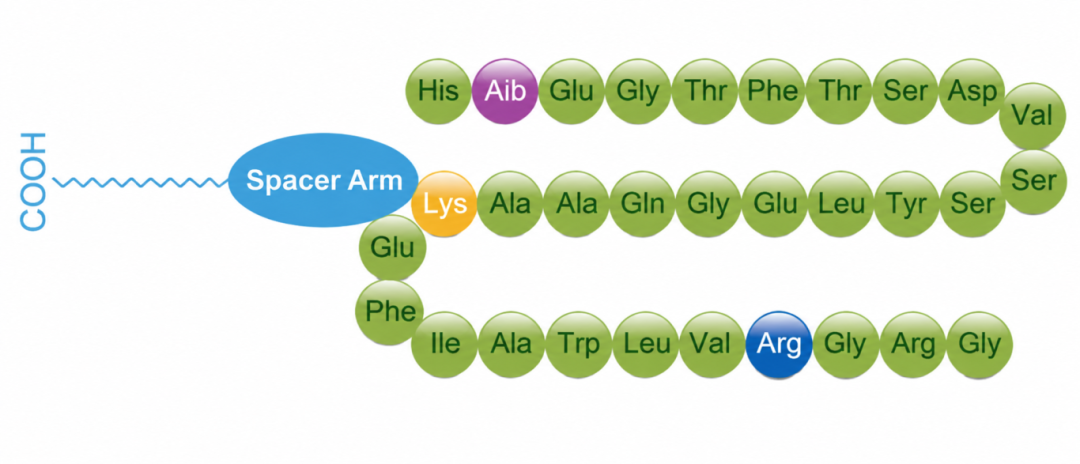
Figure 1. Molecular structure of a GLP-1 compound
Declining API Prices Make Cost Optimization Urgent for GLP-1 Manufacturers
With competition in the GLP-1 field intensifying, active pharmaceutical ingredient (API) prices continue to decline. To maintain profitability, manufacturers must optimize costs along the entire process chain. Downstream purification is a major contributor to production cost, and chromatography media, the core consumable of the purification step, is the primary target for cost control. There are two main paths to reducing media costs: extending media lifetime through process optimization, and lowering the unit cost of media through alternative sourcing and large-volume purchasing.
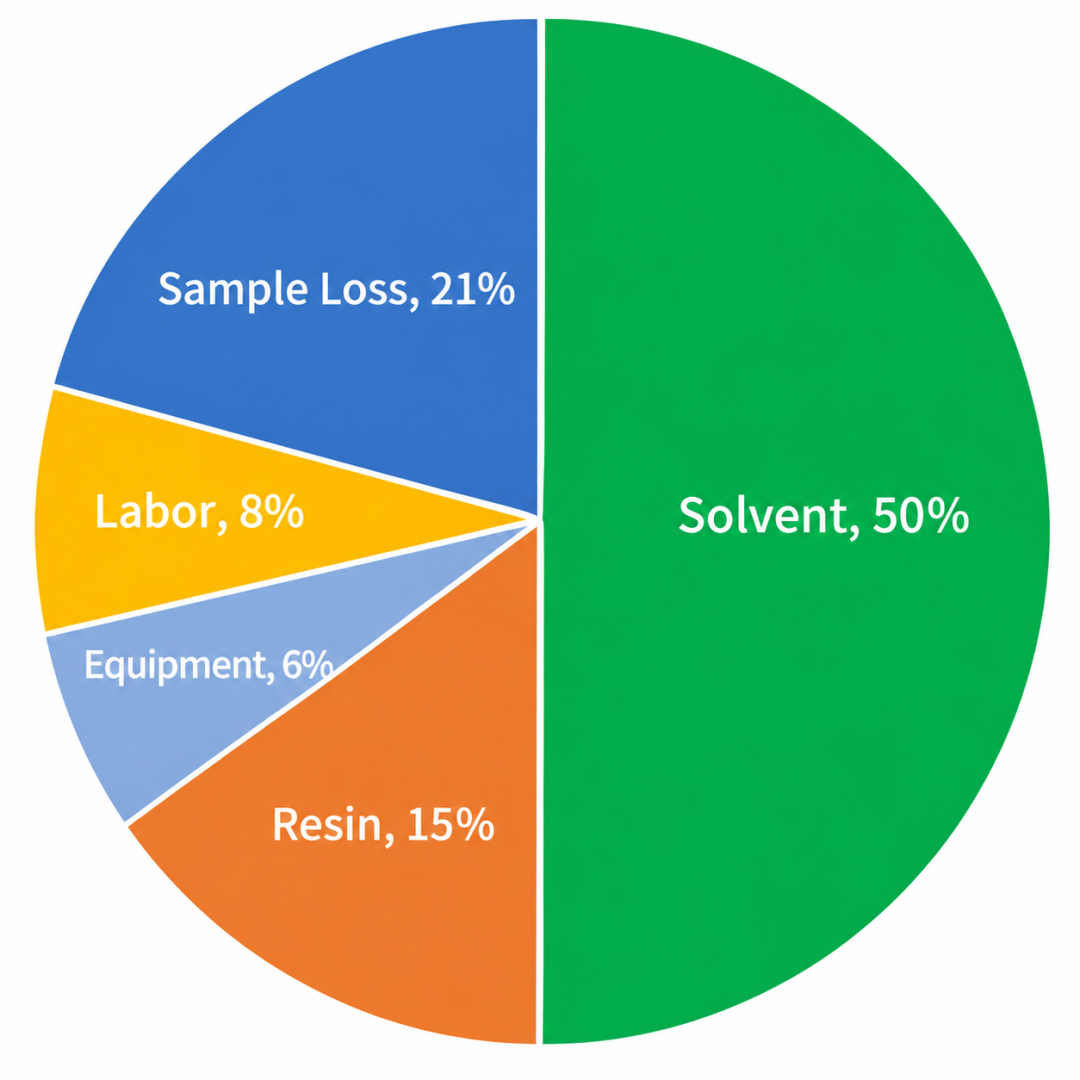
Figure 2. Cost analysis of peptide drug purification (data compiled from public sources)
Of the two paths, extending media lifetime is the core lever for cost reduction. Conventional silica media typically begin to lose performance after around 200 cycles and need to be replaced. This not only incurs the direct cost of frequent repurchasing, but also carries hidden costs in downtime and lost production efficiency. Extending media lifetime substantially, for example to 500 cycles, would reduce the replacement frequency by about 50%, significantly lowering media purchases and production interruptions while improving efficiency. It creates benefits for pharmaceutical companies in both efficiency and cost, helping them optimize their cost structure, strengthen resilience, and defend profit margins in the face of price competition.
UniSil® Revo Silica Media Extend Column Lifetime to Reduce Costs and Improve Efficiency
In a commercial GLP-1 project, a customer used NanoMicro's UniSil® Revo 10-100 C8 silica media for process development and successfully scaled the process up to DAC 1200 preparative production scale, where the project is now in stable production. Notably, the media have demonstrated an exceptionally long lifetime: according to customer feedback, nearly 900 injections have been completed to date (with regeneration and column repacking every 200 injections), and the media remain in service.
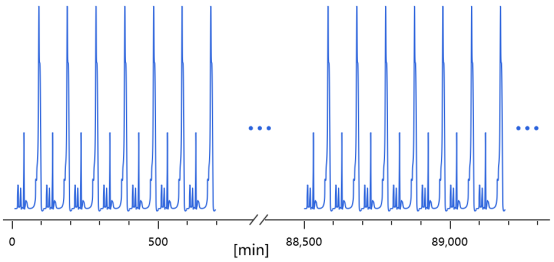
Figure 3. Preparative purification chromatogram after more than 890 consecutive injections
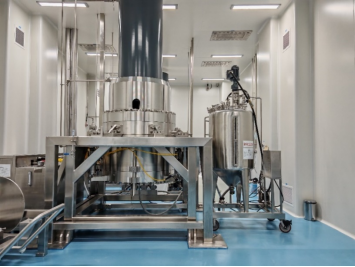
Figure 4. DAC 1200 high-pressure preparative purification system on the production floor
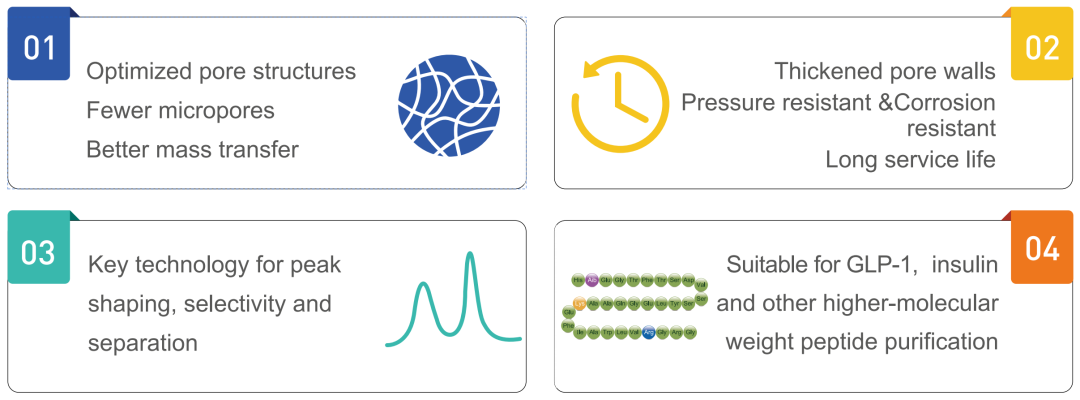
The exceptional lifetime of UniSil® Revo 10-100 C8 is rooted in NanoMicro's proprietary Precisely Controlled Silica (PCS) technology. This revolutionary process eliminates micropores, makes the pore openings more interconnected, and thickens the walls between pores, significantly improving the mechanical strength and separation selectivity of the particles. In addition, a unique surface organic hybrid treatment and bonded-phase chemistry give the media a wider pH tolerance range. These characteristics make UniSil® Revo particularly suitable for the purification of larger peptides, especially GLP-1 compounds and insulin.
In this case, the nearly 900-injection lifetime resulted not only from the technology itself but also from several contributing factors: the customer's crude material had relatively high purity with low levels of hydrophobic impurities, laying the foundation for a long lifetime, and the dedicated purification process and tailored regeneration conditions developed by NanoMicro for this application further unlocked the potential of the media. The result is a lifetime 4–5 times longer than conventional silica media, or even more.
Excellent Chemical Stability: Alkaline Stability Test
When flushed continuously with 0.1 M NaOH (pH 13) for up to 22 hours, UniSil® Revo 10-100 C8 maintained good column efficiency, demonstrating excellent alkaline stability. A competitor's 10-100 C8 media, by contrast, withstood only 6 hours, after which the pressure exceeded the limit and retention time dropped by 30%.
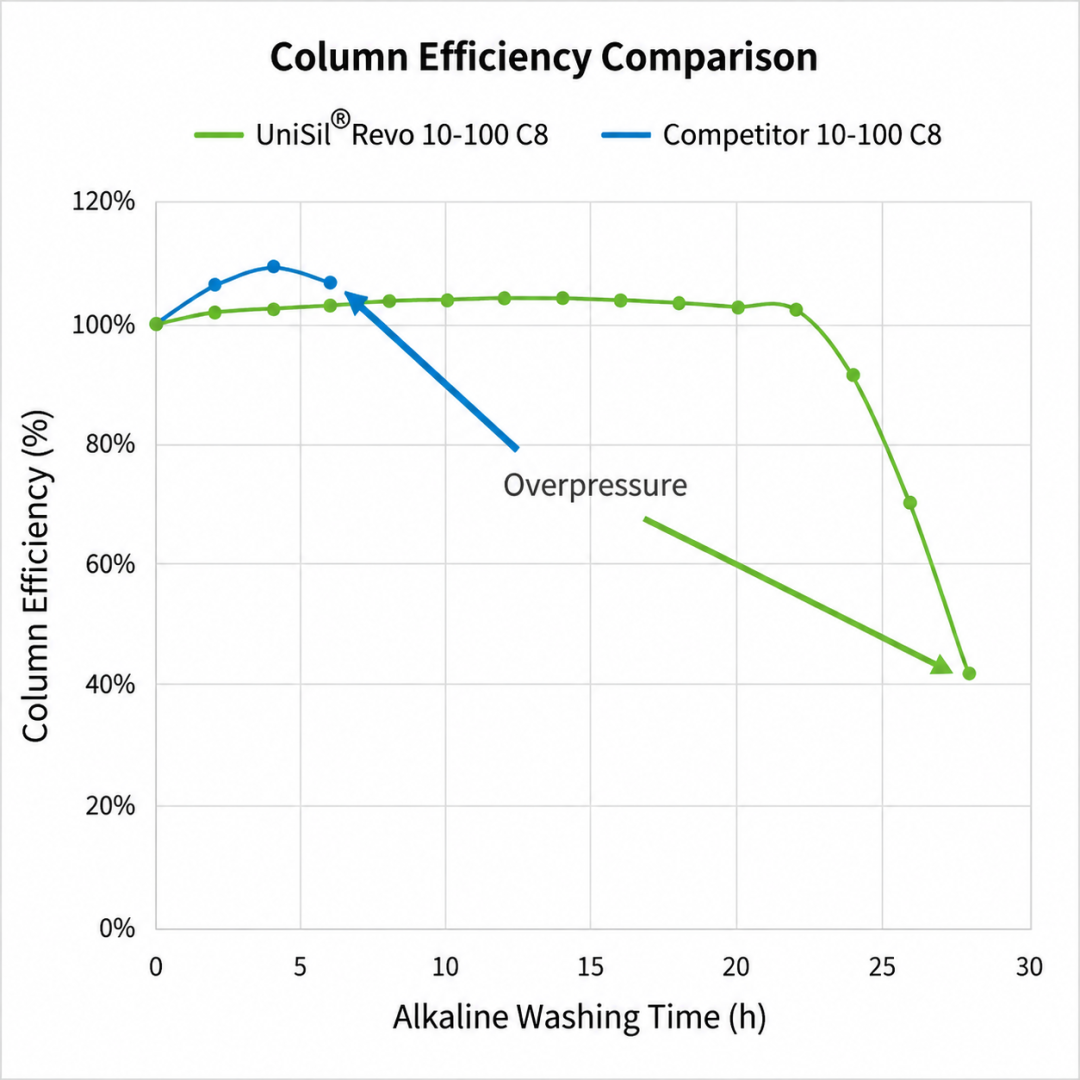
Figure 5. Column efficiency of UniSil® Revo 10-100 C8 versus a competitor's 10-100 C8 in the pH 13 alkaline stability test
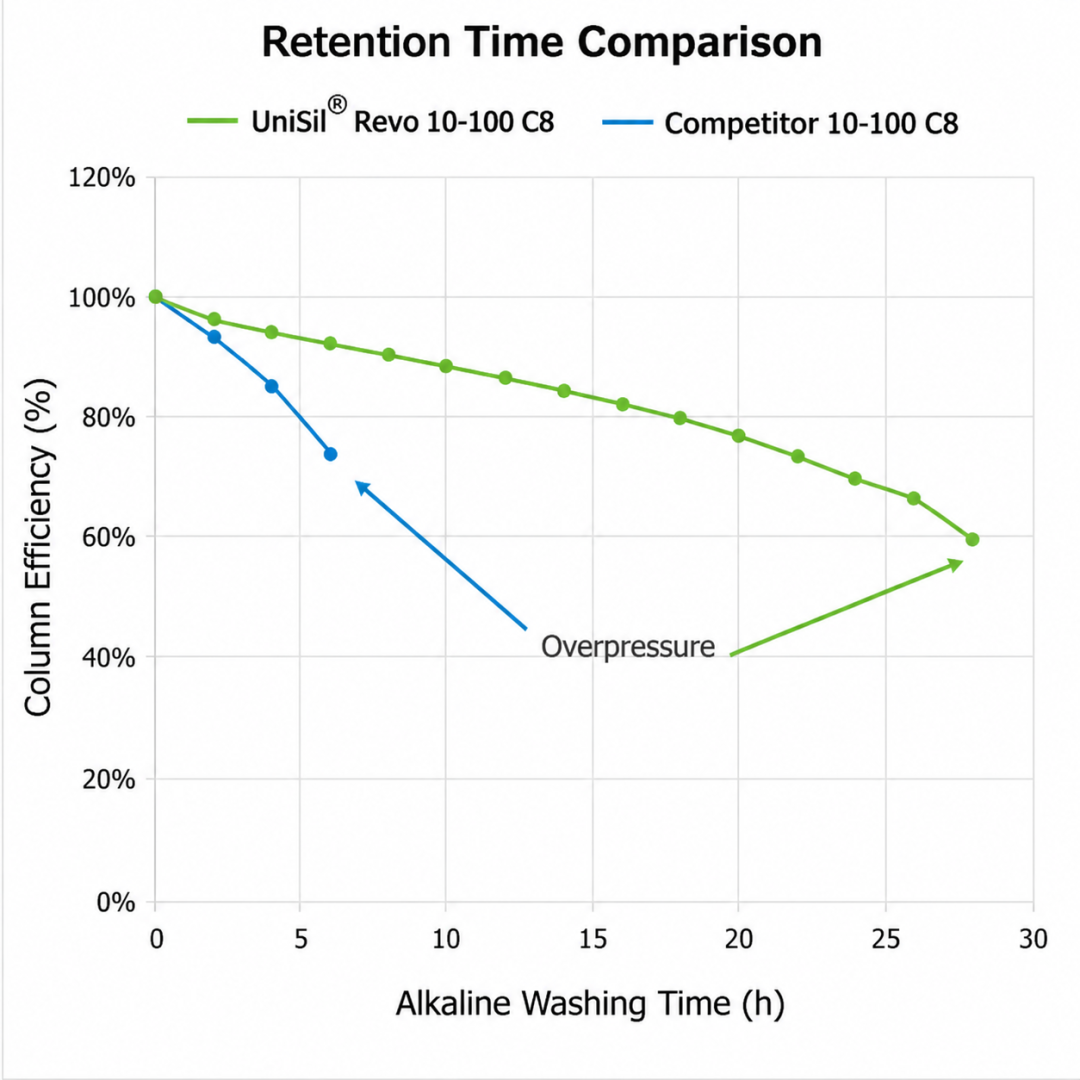
Figure 6. Retention time of UniSil® Revo 10-100 C8 versus a competitor's 10-100 C8 in the pH 13 alkaline stability test
Ordering Information
| Model | Particle Size | Pore Size | Range of pH | Catalog No. |
| UniSil® Revo 10-120 C18 | 10 μm | 120 Å | 2~9 | 19701-100012 |
| UniSil® Revo 10-100 C8 | 10 μm | 100 Å | 2~10 | 19702-100010 |