
Pre-packed Columns


-
 Affinity Columns
Affinity chromatography is based on the principle of specific and reversible binding between biological macromolecules and the functional groups (ligands) of affinity chromatography resins. These resins are prepared by covalently immobilizing ligands on the surface of the matrix. This reversible binding relies primarily on the recognition of the spatial structure of the ligand by biological macromolecules. Commonly used bioaffinity types include enzyme–substrate, substrate analogs, inhibitors, activators, cofactors, antibody–antigen, hormone–receptor protein, carrier proteins, lectin–polysaccharide, glycoproteins, cell surface receptors, nucleic acid–complementary nucleotide sequences, histones, and nucleic acid-binding proteins.
-
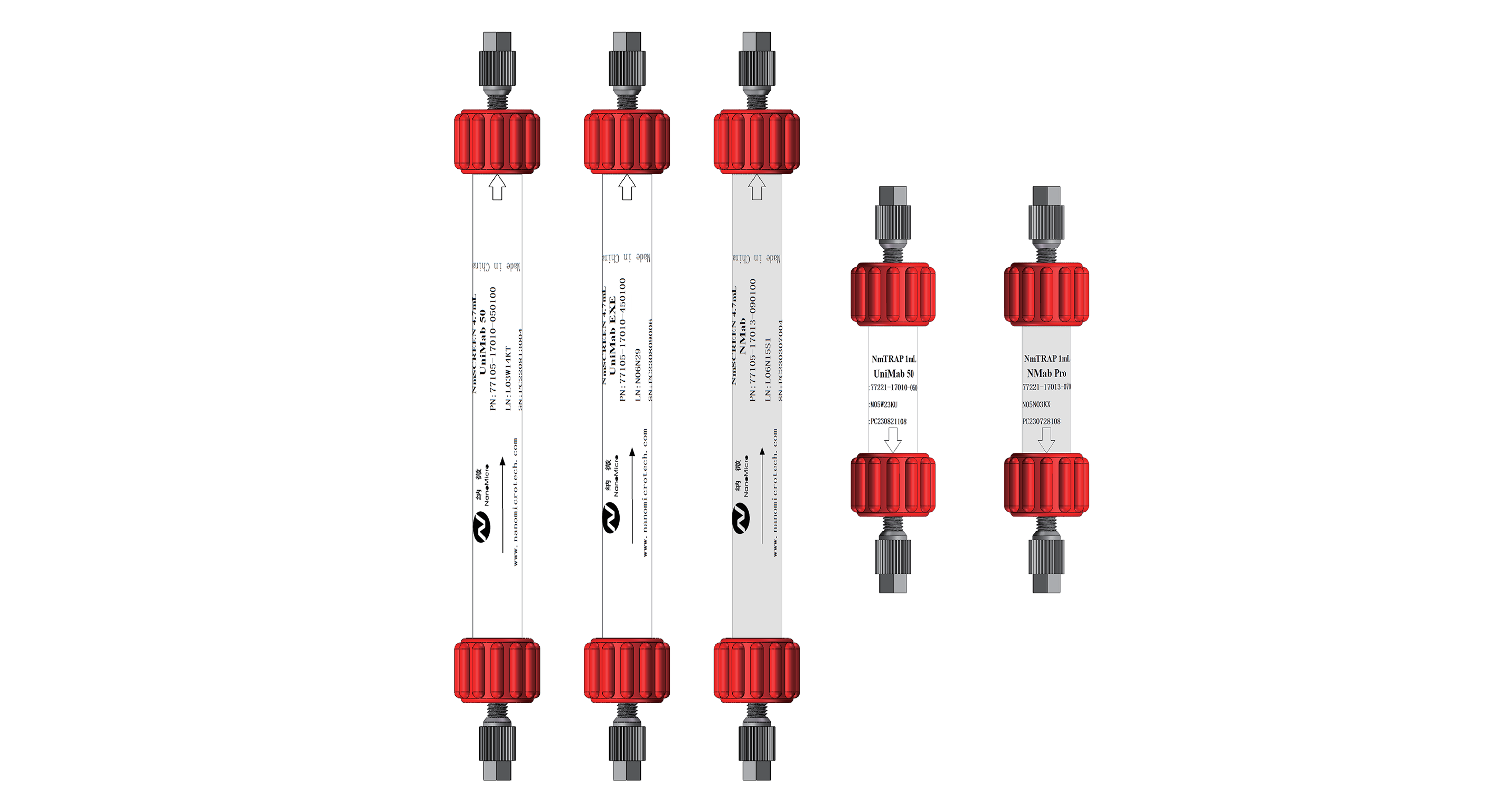
Protein A Affinity Chromatography Pre-packed Columns
High binding capacity, excellent pressure and flow performance
View Details



-
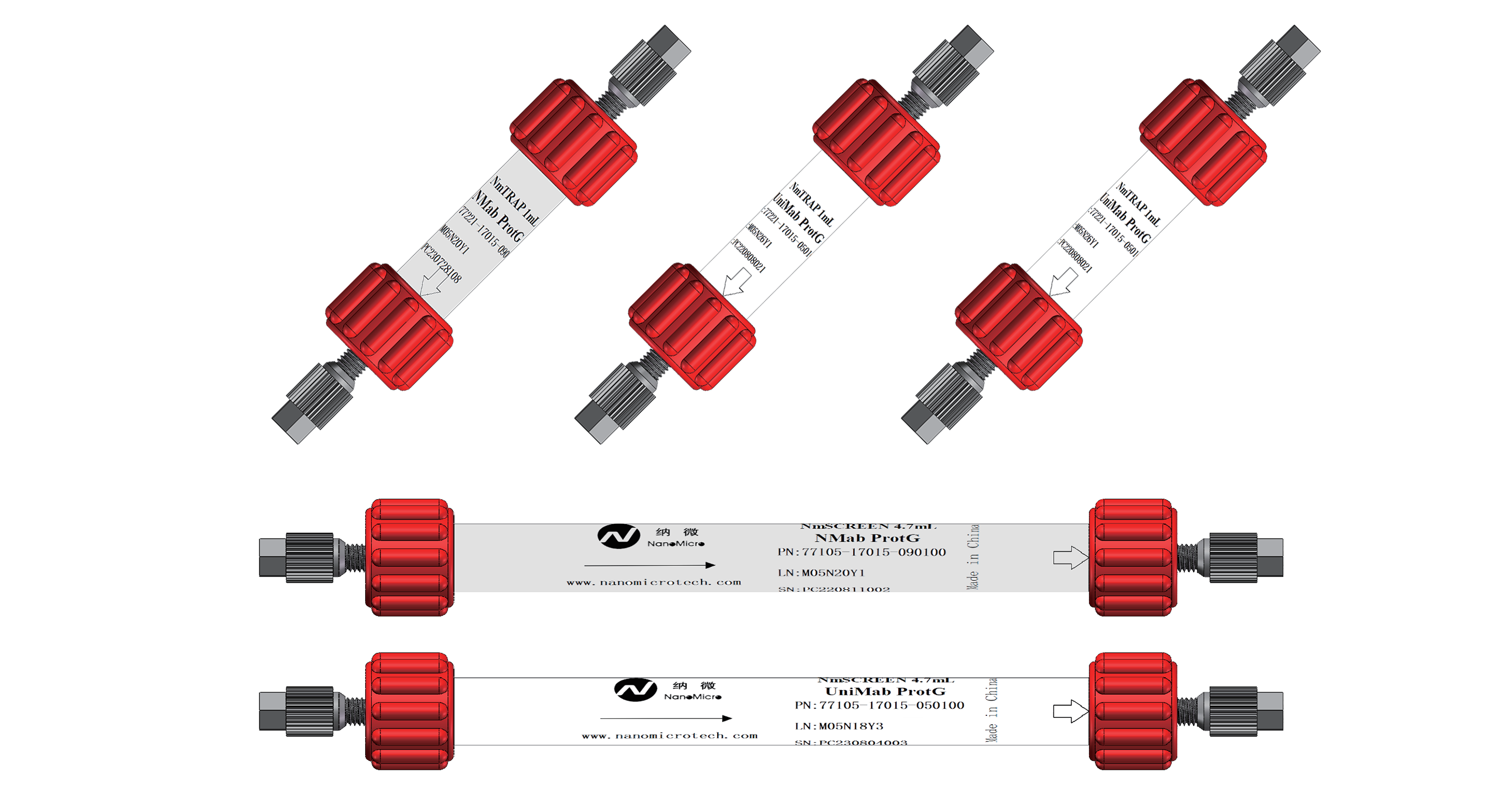
Protein G Affinity Chromatography Pre-packed Columns
Protein G Affinity Chromatography Pre-packed Columns
View Details
-
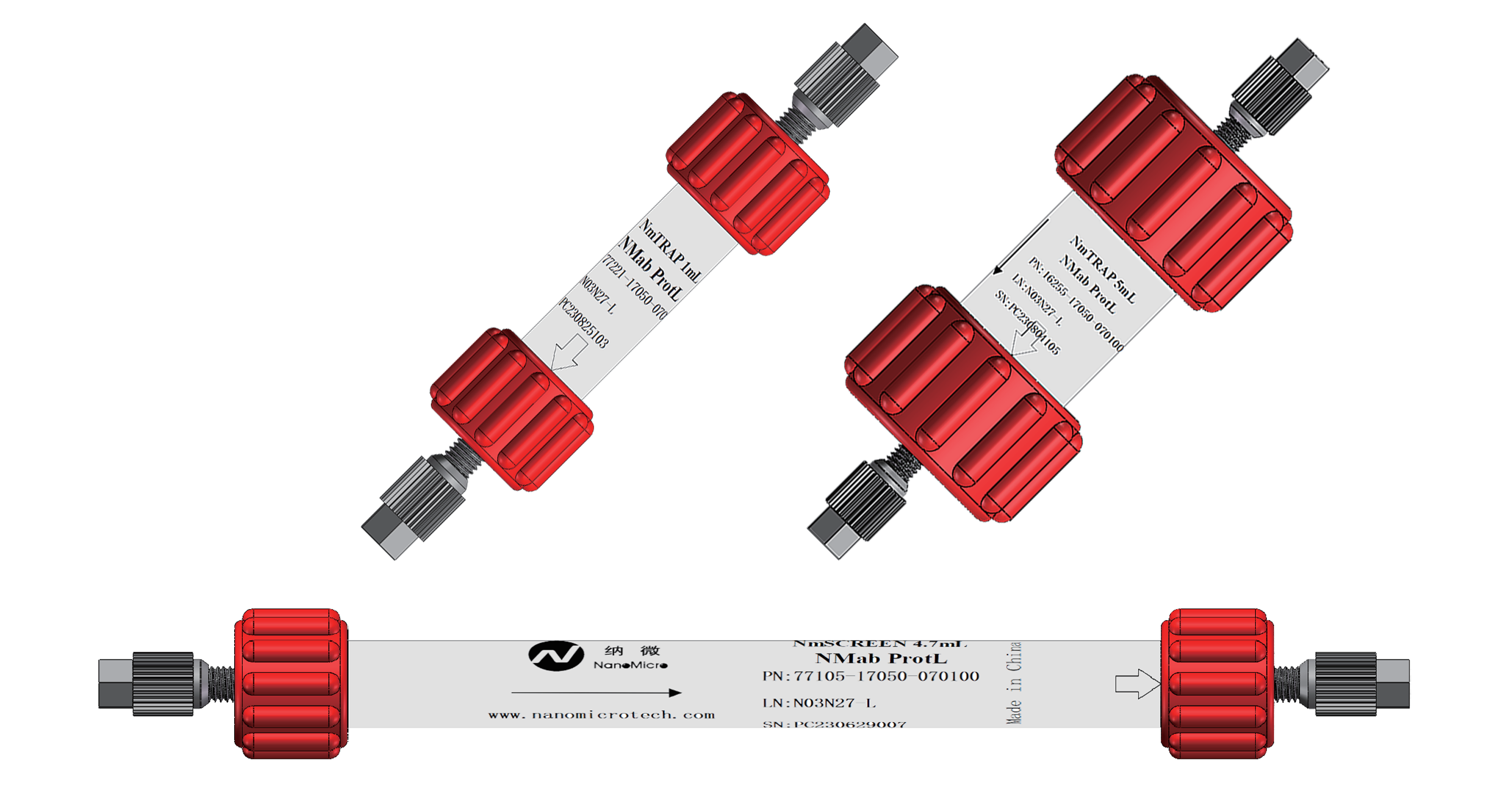
Protein L Affinity Chromatography Pre-packed Column
Protein L Affinity Chromatography Pre-packed Column
View Details
-
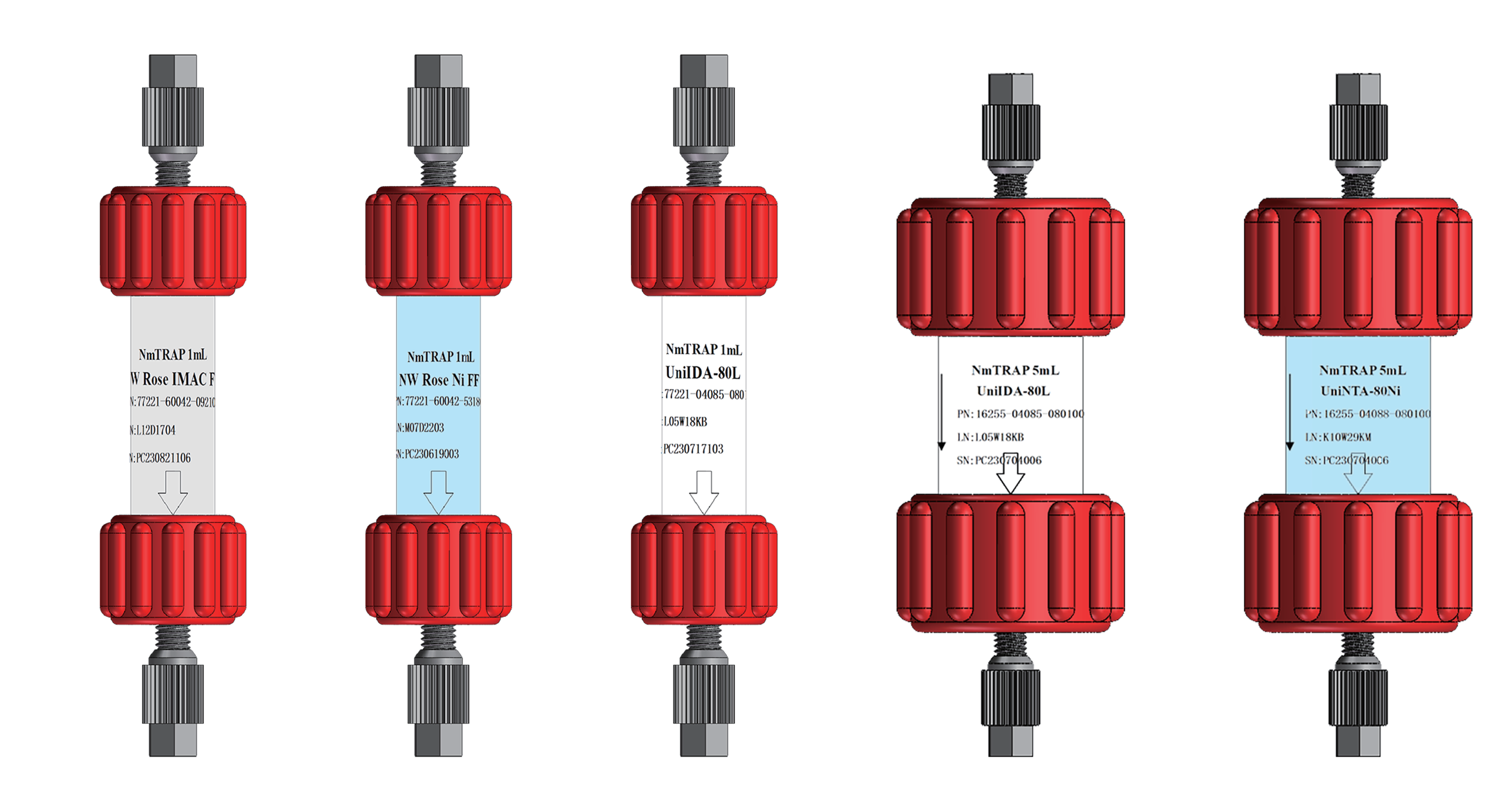
IMAC Affinity Chromatography Pre-packed Columns
IMAC Affinity Chromatography Pre-packed Columns
View Details
-
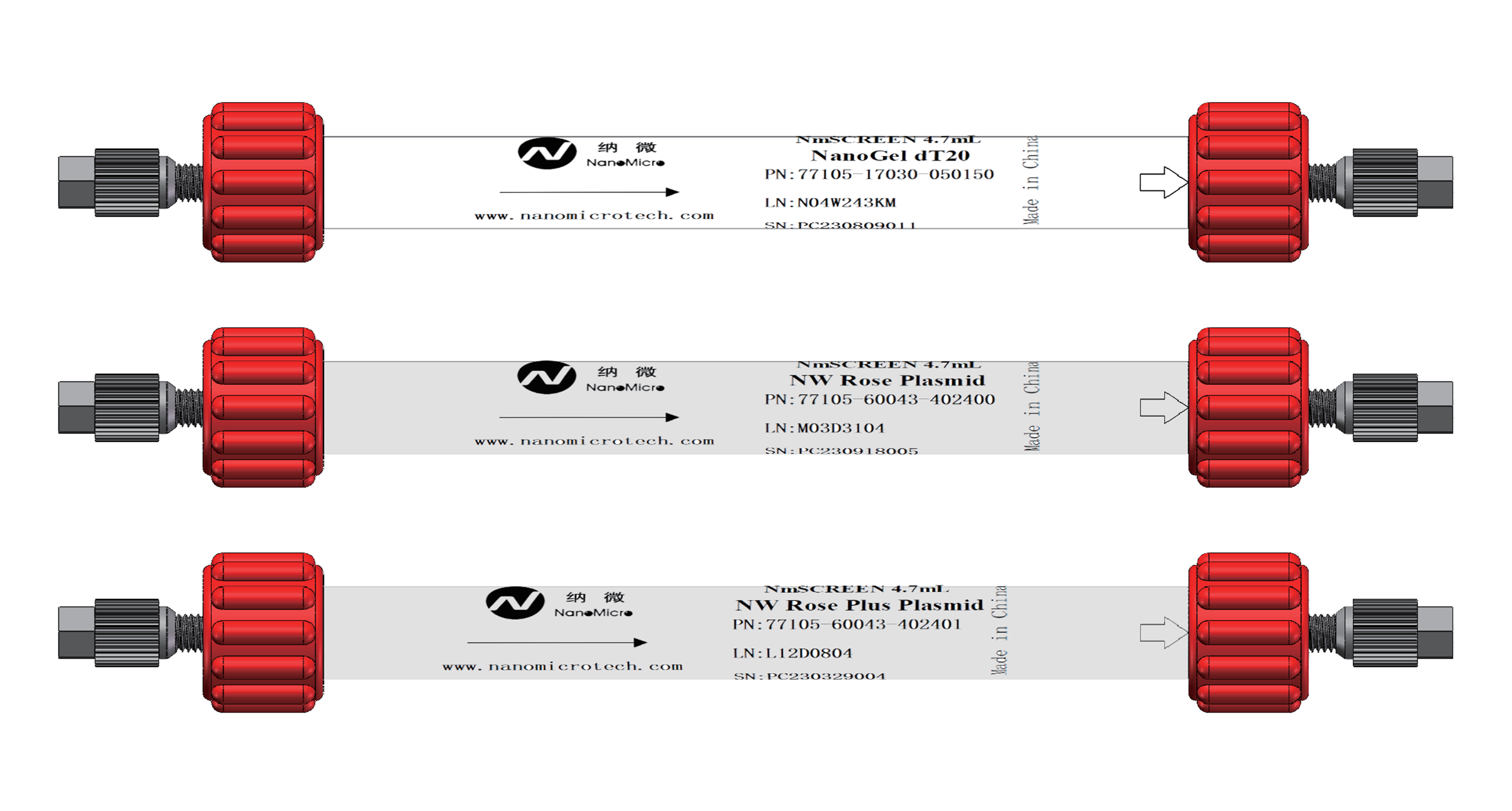
Nucleic Acid Affinity Pre-packed Columns
High specificity, high binding capacity, and high product integrity
View Details
-
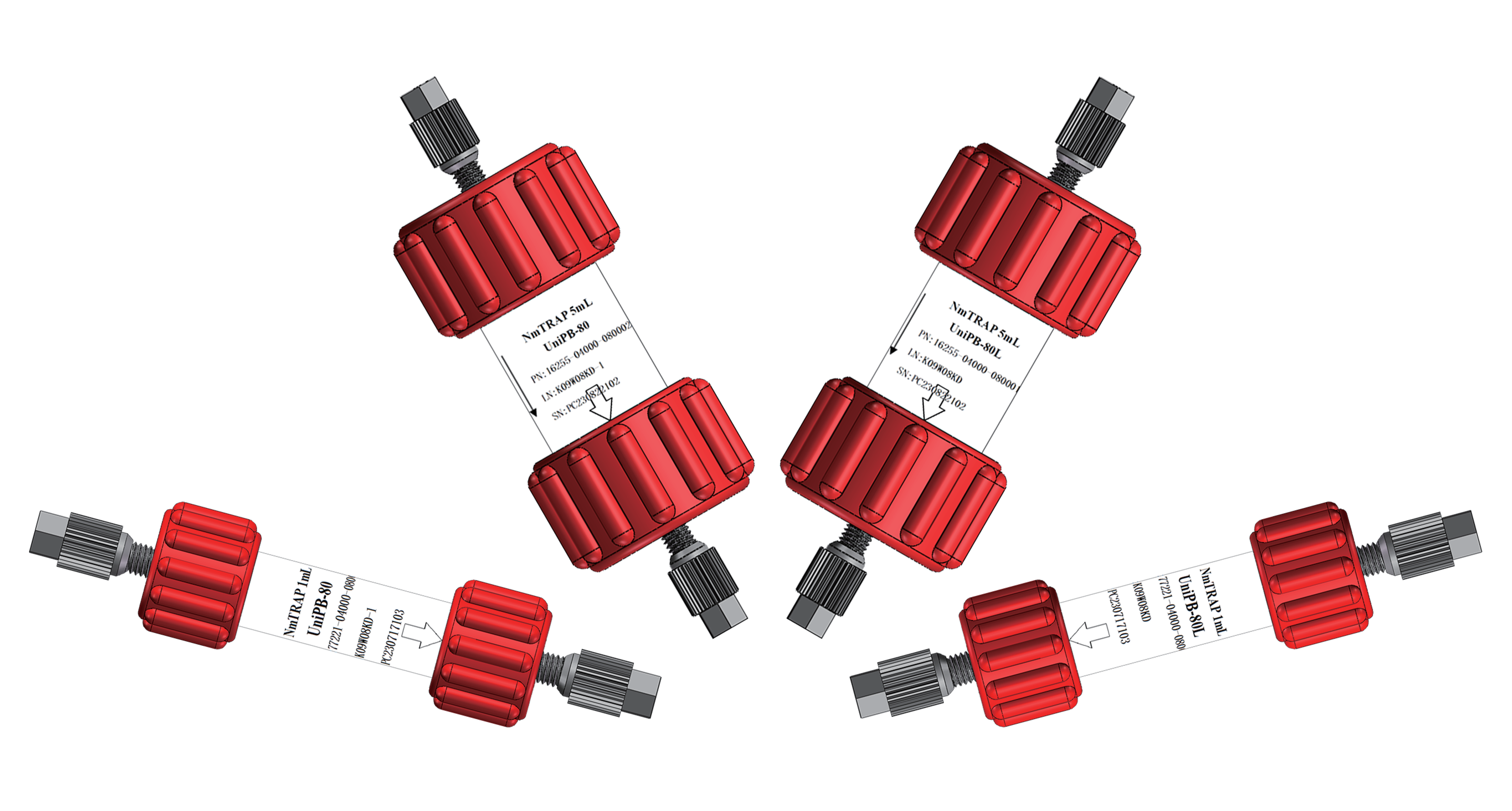
Phenylboronic Acid Affinity Pre-packed Column
Excellent pressure-flow performance and long service life
View Details
-
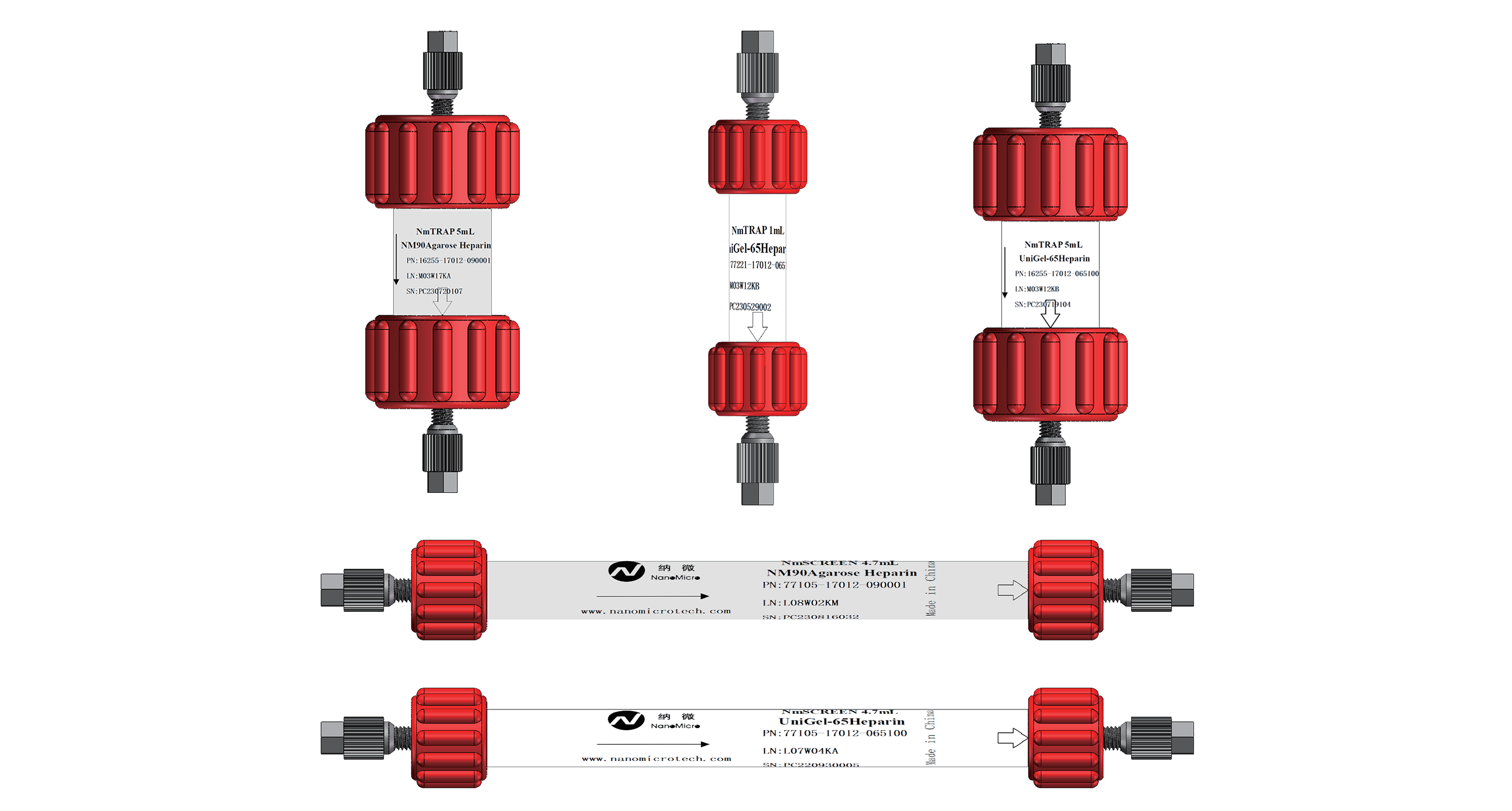
Heparin Affinity Pre-packed Columns
High binding capacity, low ligand leakage
View Details
-
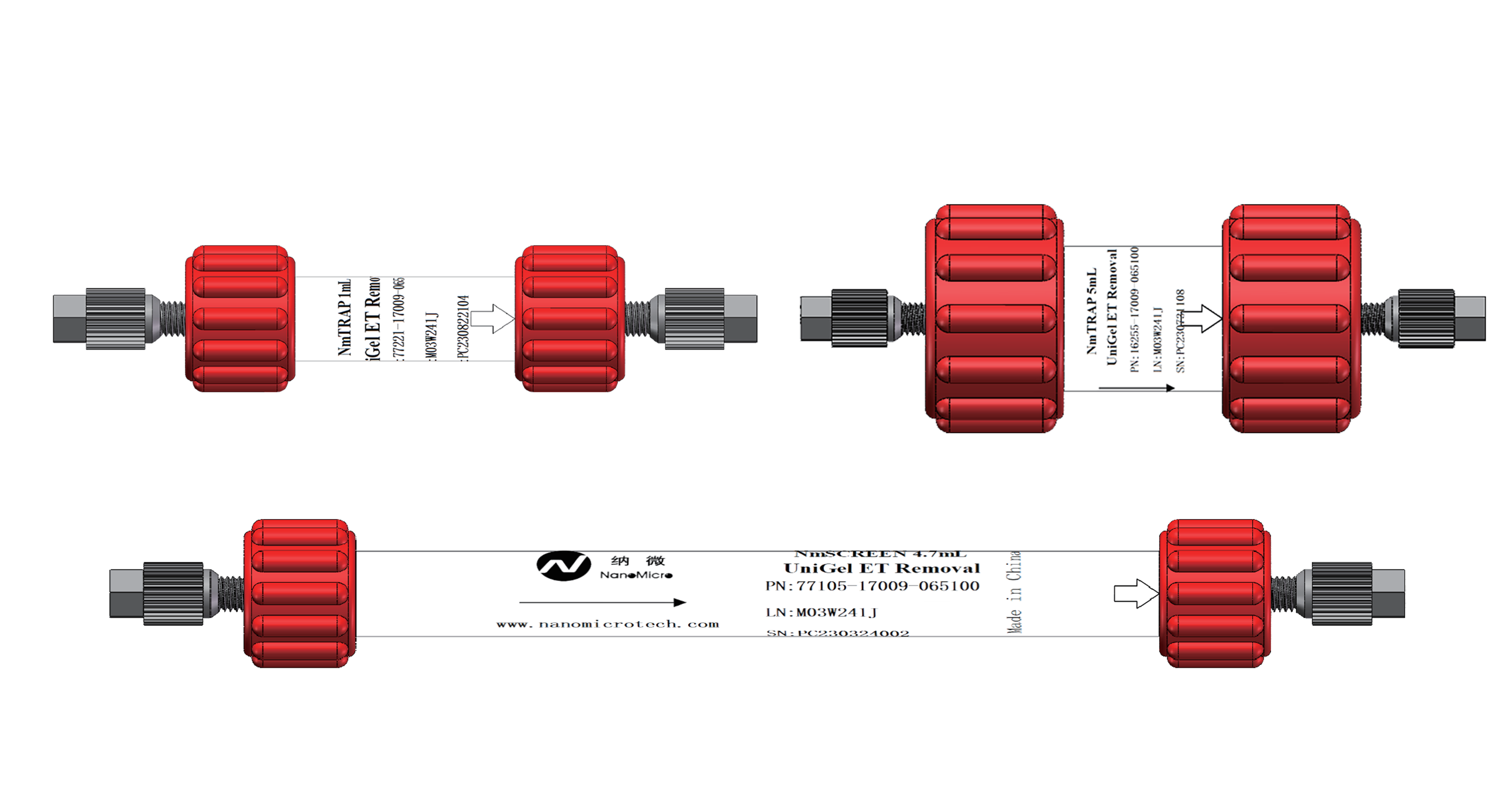
Endotoxin Affinity Chromatography Pre-packed Columns
Endotoxin Affinity Chromatography Pre-packed Columns
View Details
-
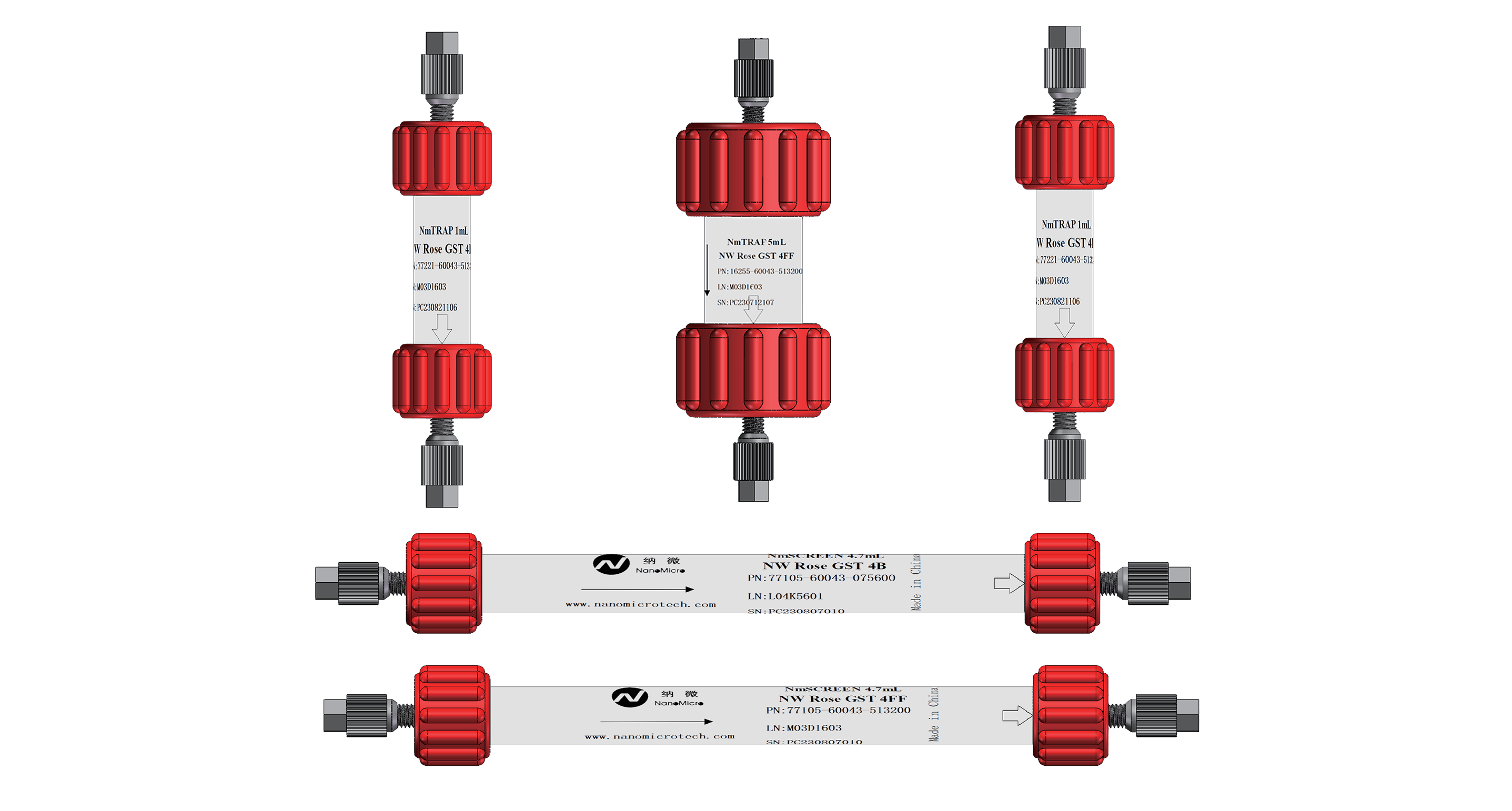
Small-Tag Affinity Pre-packed Columns
For purification of glutathione S-transferase (GST)-tagged fusion proteins
View Details
-
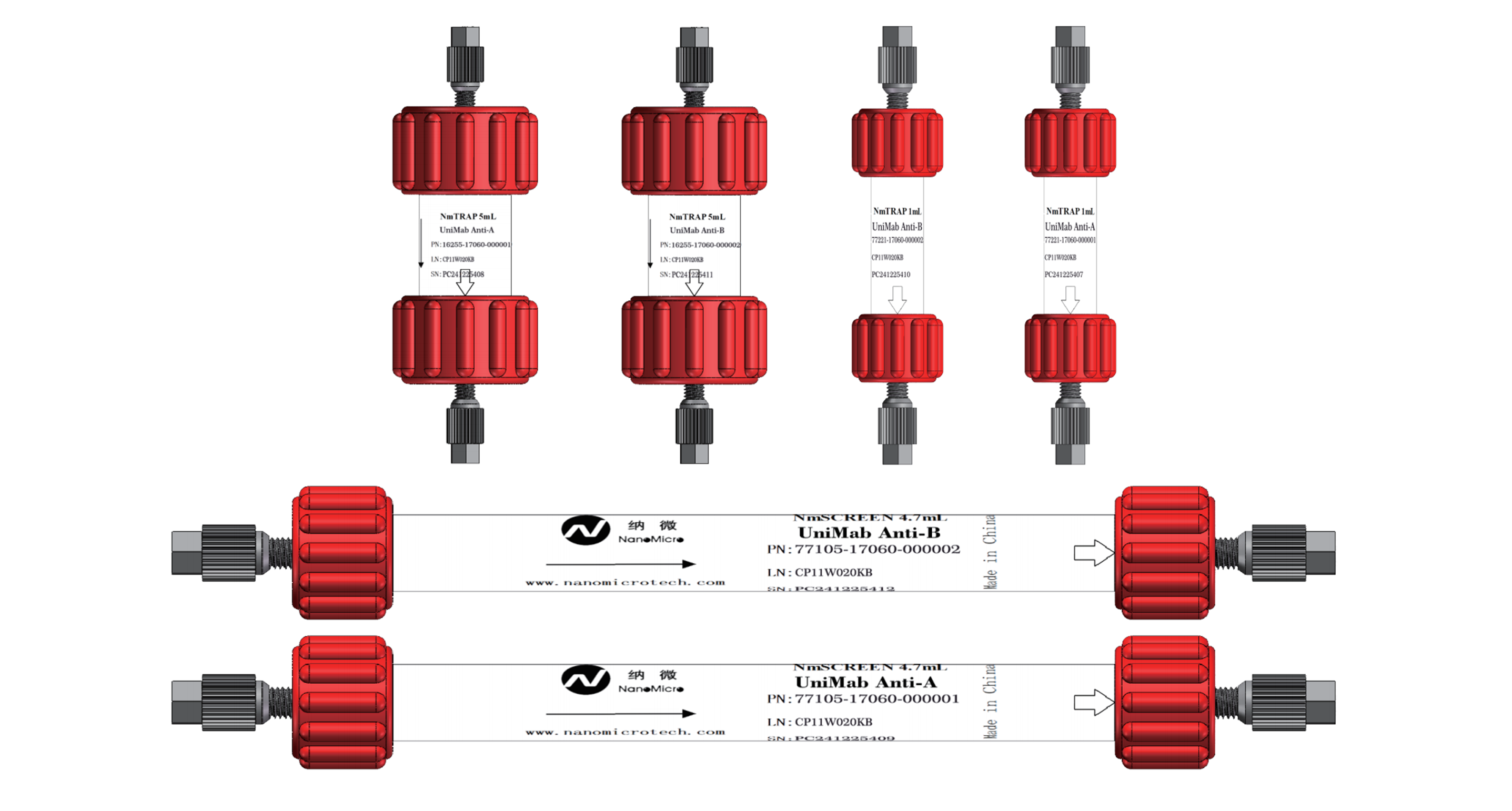
Anti-A Anti-B Affinity Chromatography Pre-packed Column
Anti-A Anti-B Affinity Chromatography Pre-packed Column
View Details
-
-
 Ion Exchange Columns
Ion-exchange chromatography is based on the reversible binding and dissociation between ionizable sample components and ions of the same charge on the ligands of ion-exchange chromatography resins, thereby separating components that differ in the type, amount, and distribution of their surface charges. The ligands of ion-exchange chromatography resins consist of one or more ionizable groups, such as quaternary ammonium, tertiary amine, sulfonate, and carboxyl groups. NanoMicro offers multiple series of ion-exchange chromatography resins based on monodisperse polymer microspheres and polydisperse polysaccharide microspheres to meet various application needs, including capture, intermediate purification, polishing, and sample analysis.
-
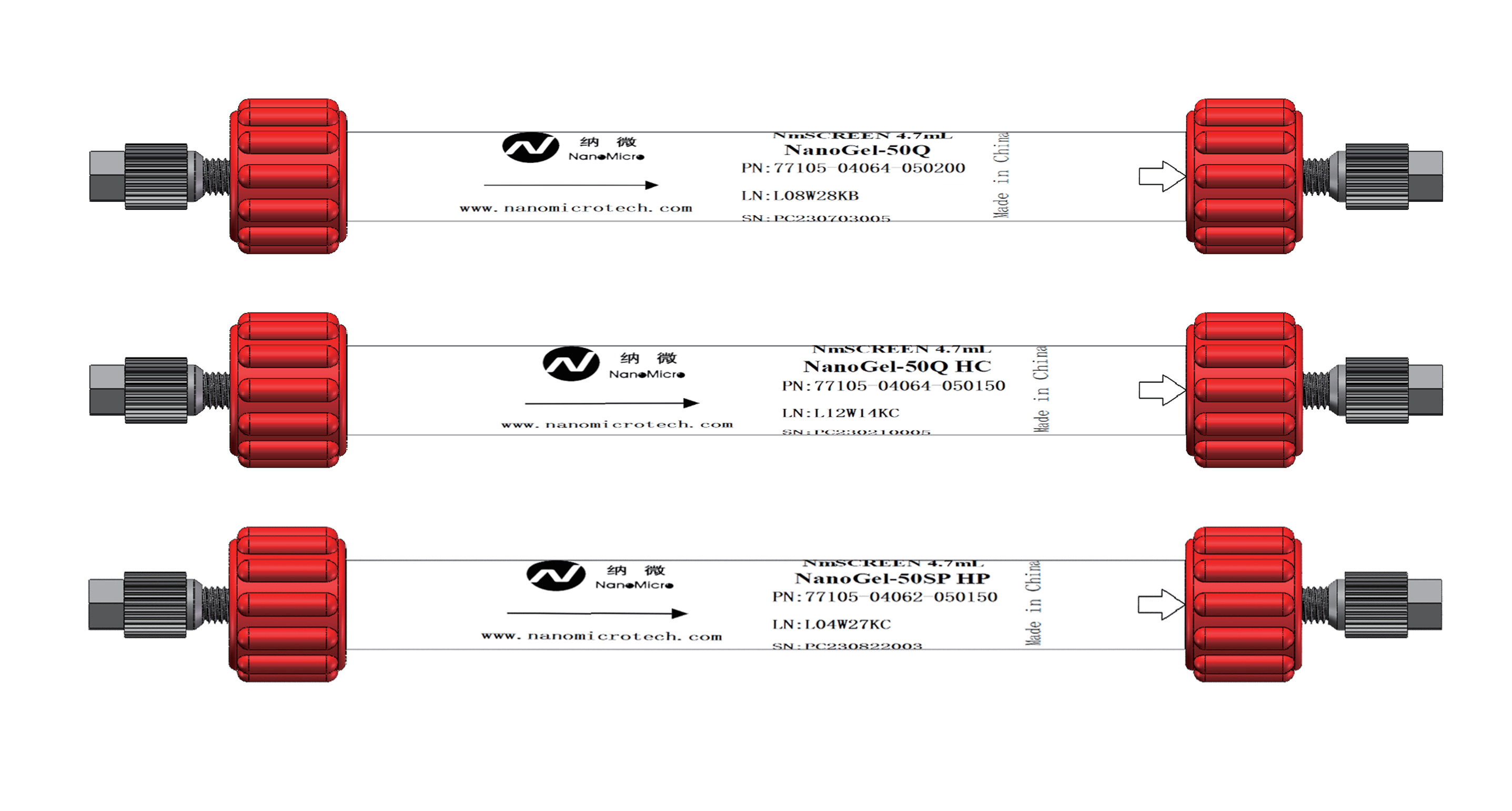
NanoGel Series Ion Exchange Pre-packed Columns
Super-large pores, efficient mass transfer, high flow rate, and high binding capacity for separation and purification of high-molecular-weight biomolecules
View Details
-
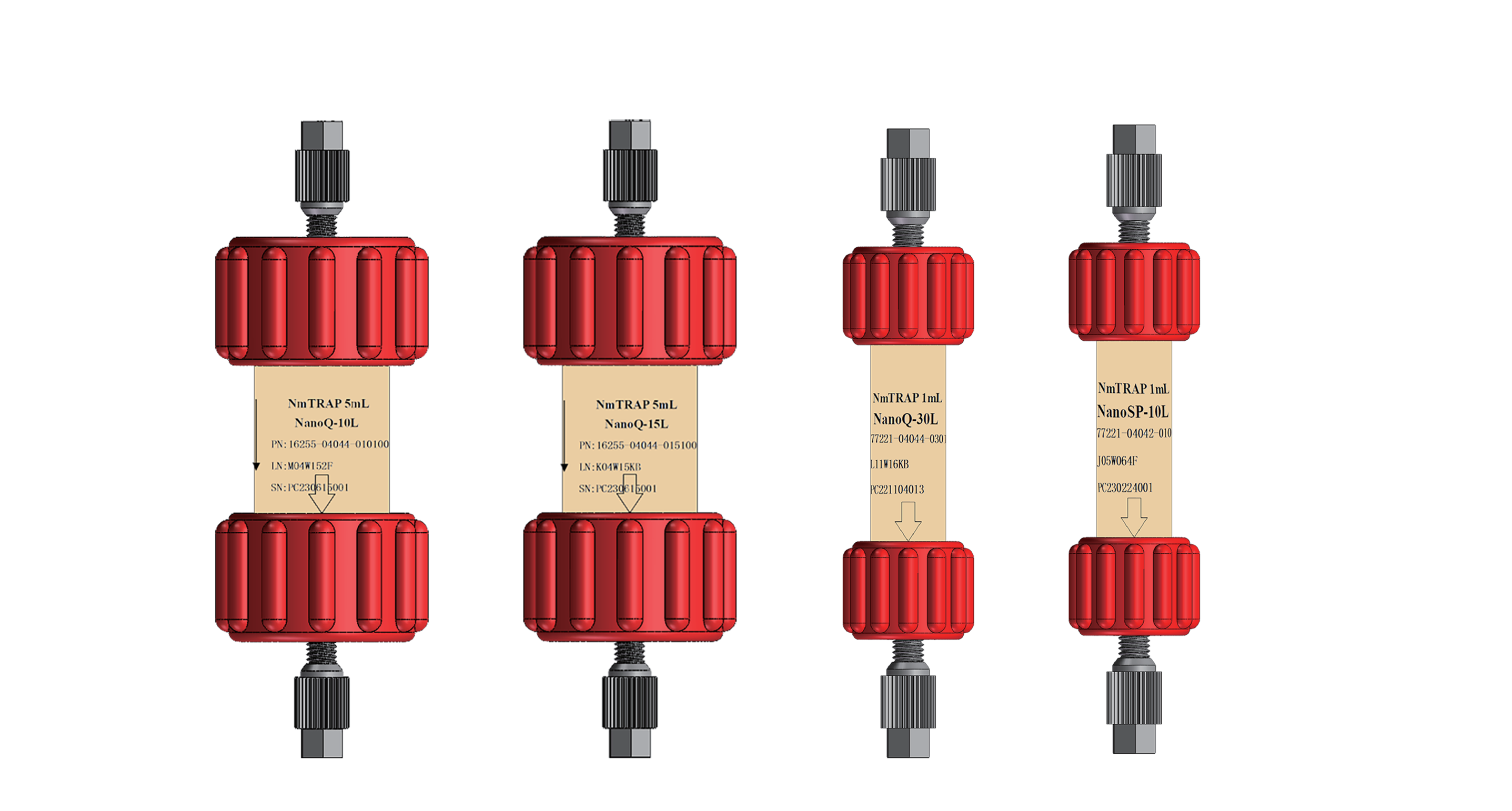
Nano Series Ion Exchange Pre-packed Columns
Monodisperse ultra-fine particles with ultra-high resolution
View Details
-
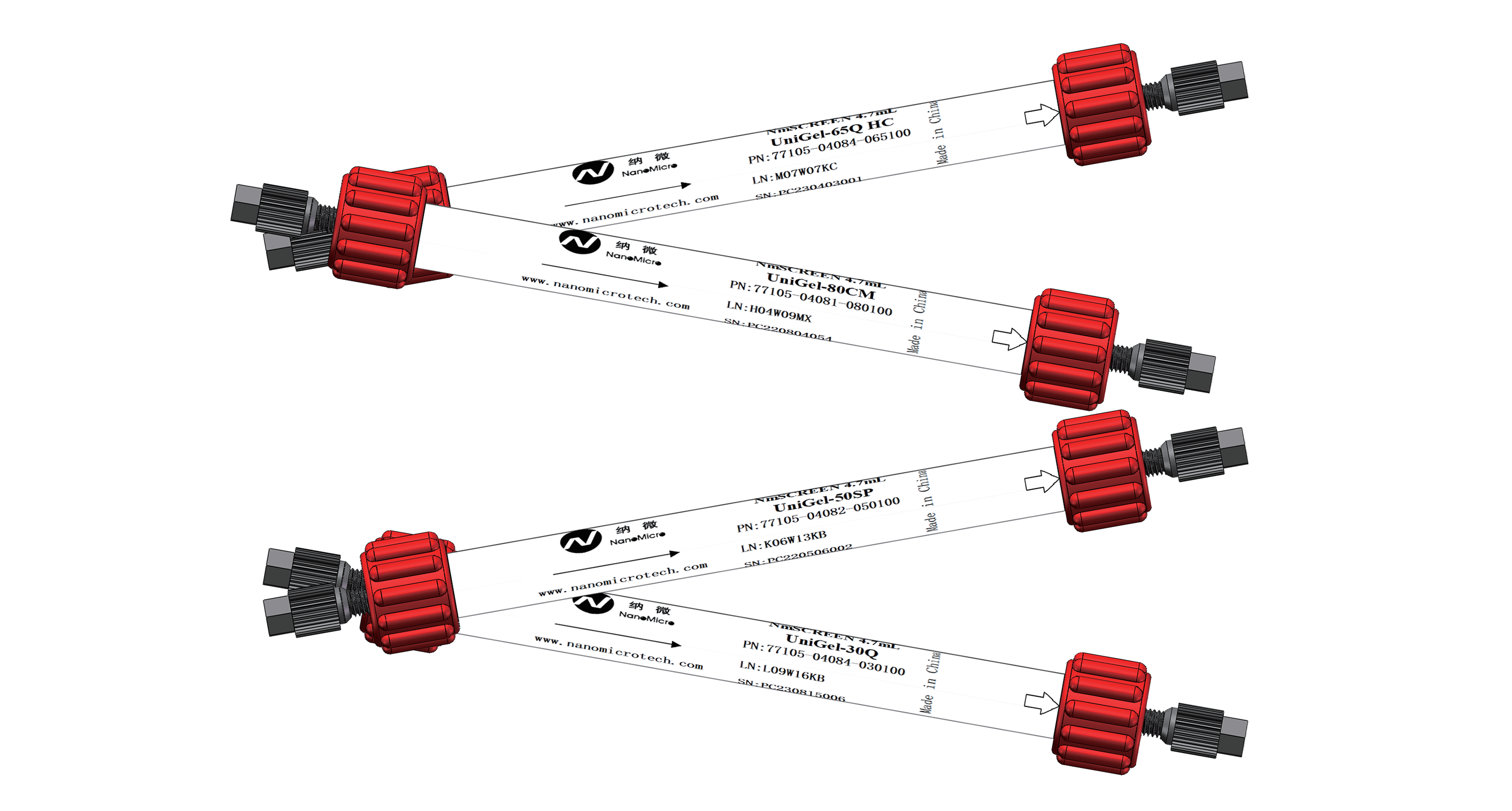
UniGel Series Ion Exchange Pre-packed Columns
Full particle size coverage, high binding capacity, low back pressure
View Details
-
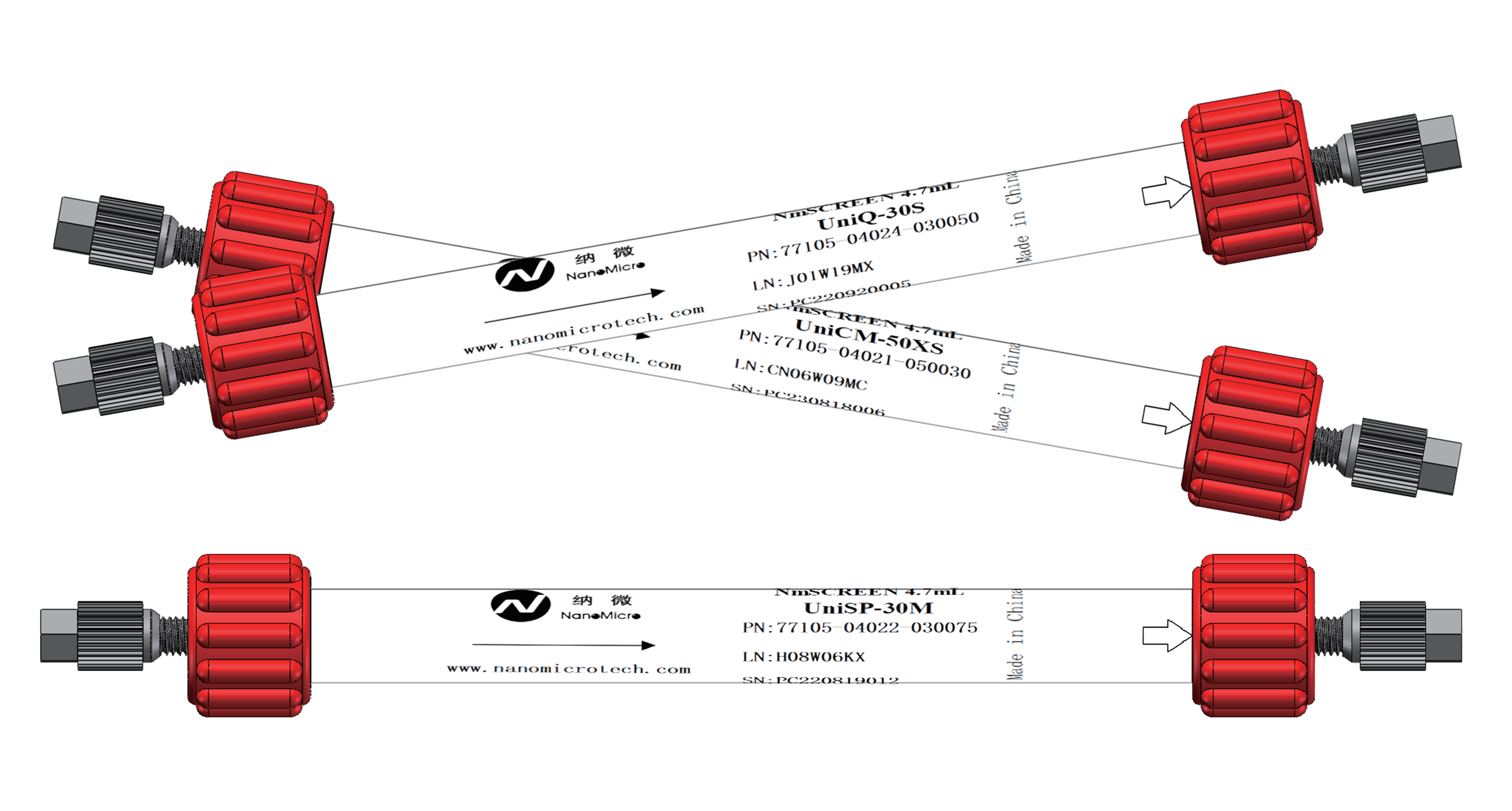
Uni Series Ion Exchange Pre-packed Columns
High resolution, low non-specific binding
View Details
-
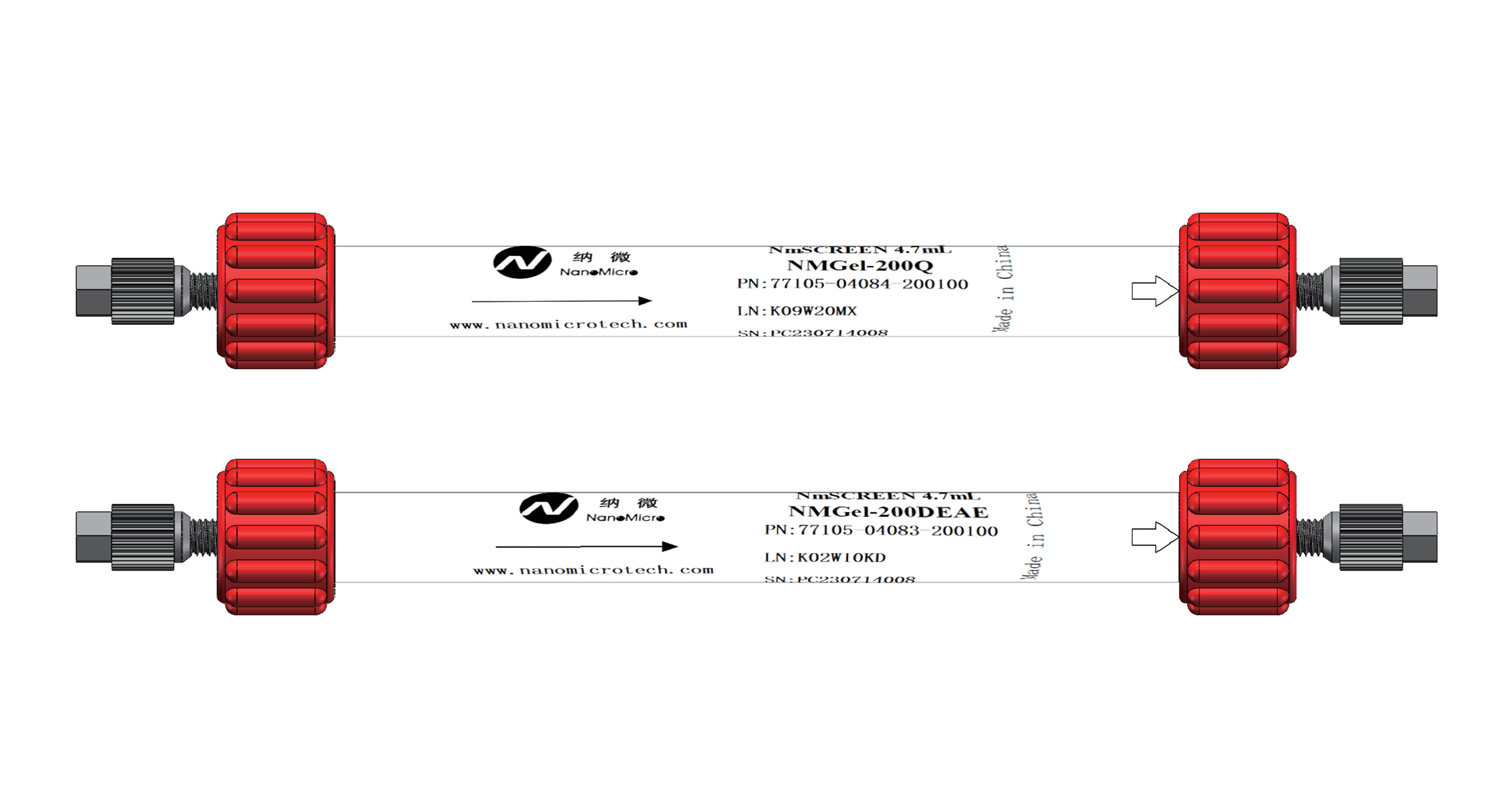
NMGel Series Ion Exchange Pre-packed Columns
Excellent biocompatibility and bed stability
View Details
-
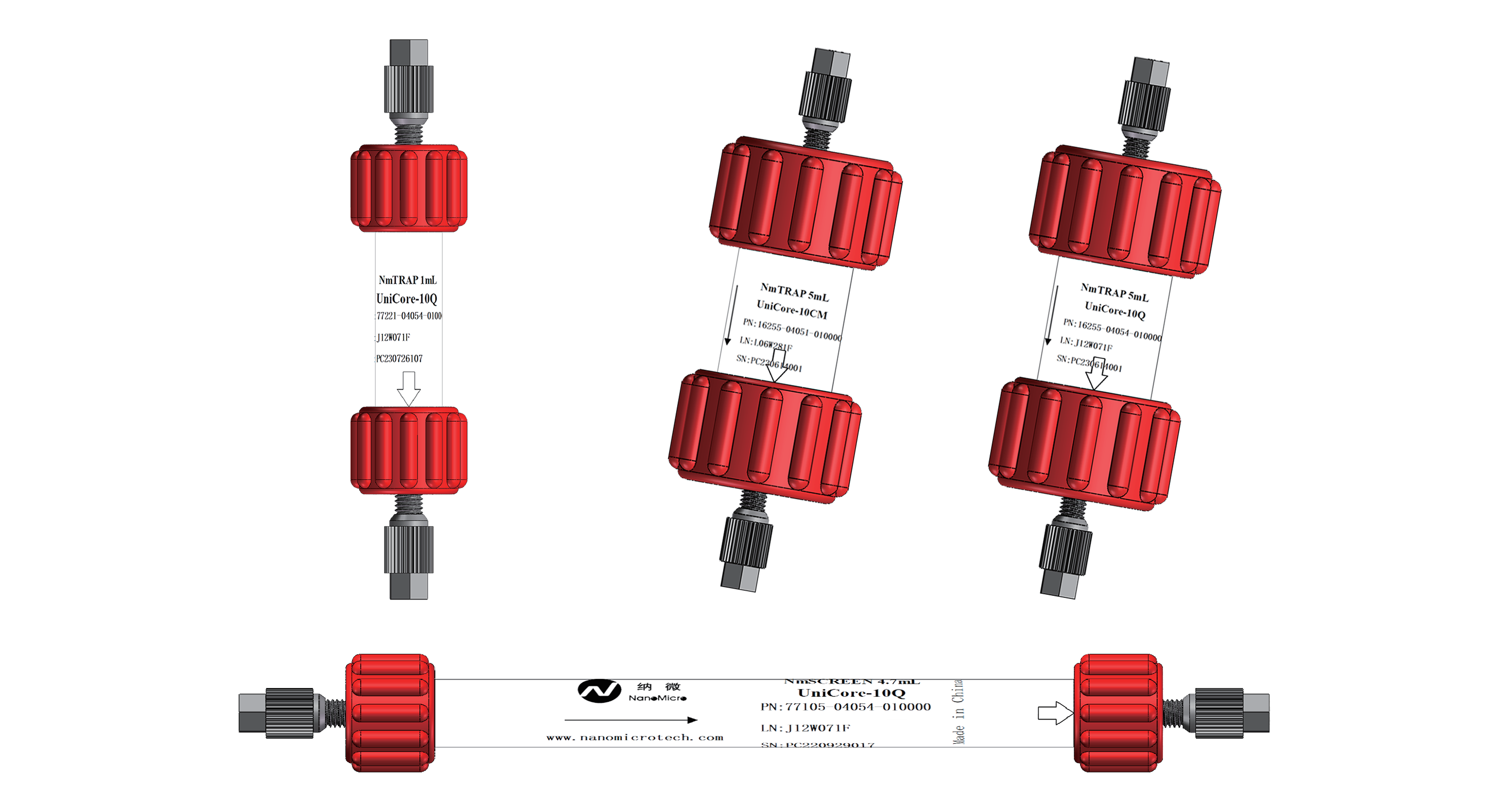
UniCore Series Ion Exchange Pre-packed Columns
Ultimate resolution, ideal for analytical detection or high-pressure purification
View Details
-
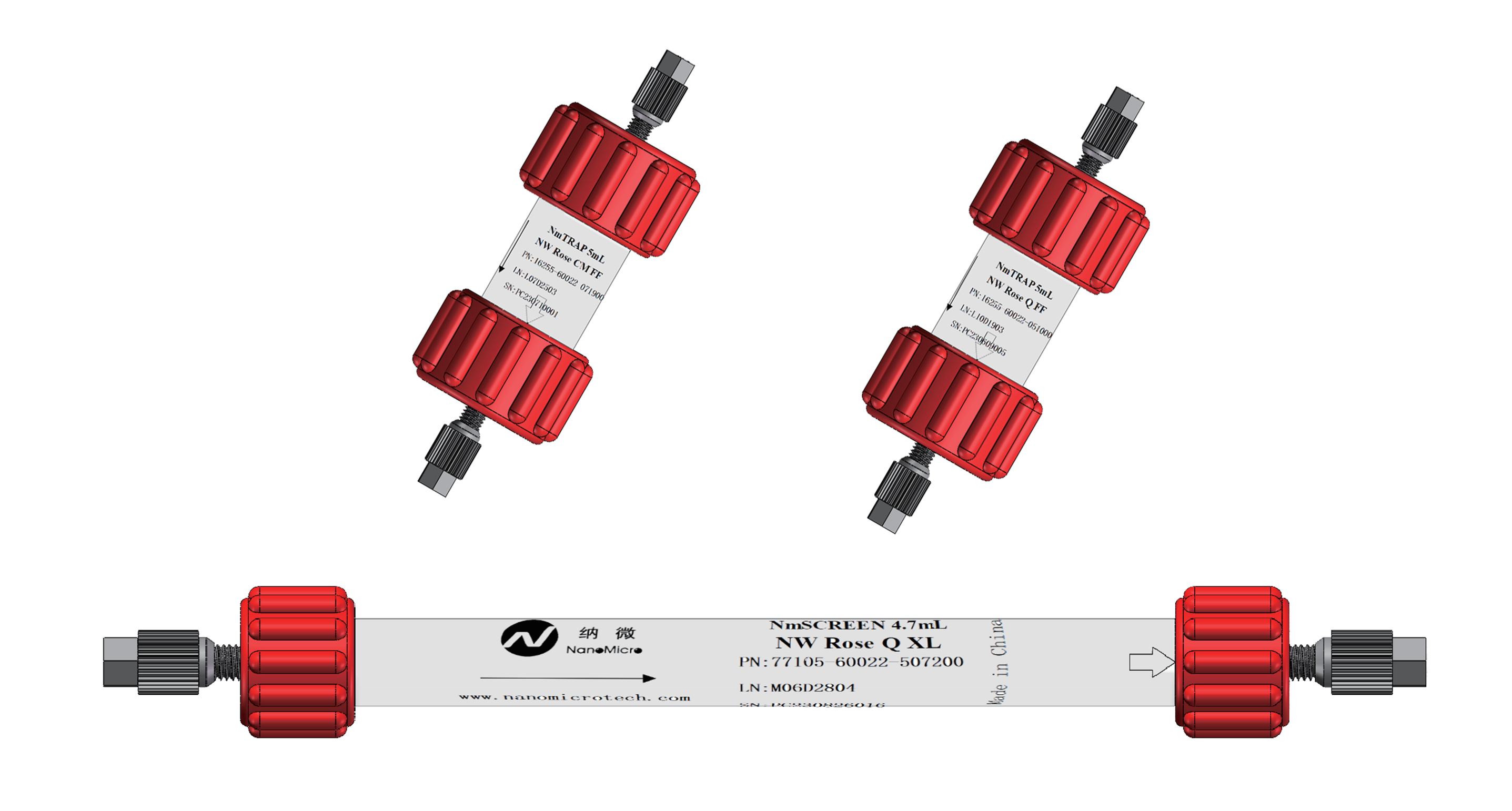
NW Rose FF Series Ion Exchange Pre-packed Columns
High flow rate, high throughput, high resolution and high reproducibility
View Details
-
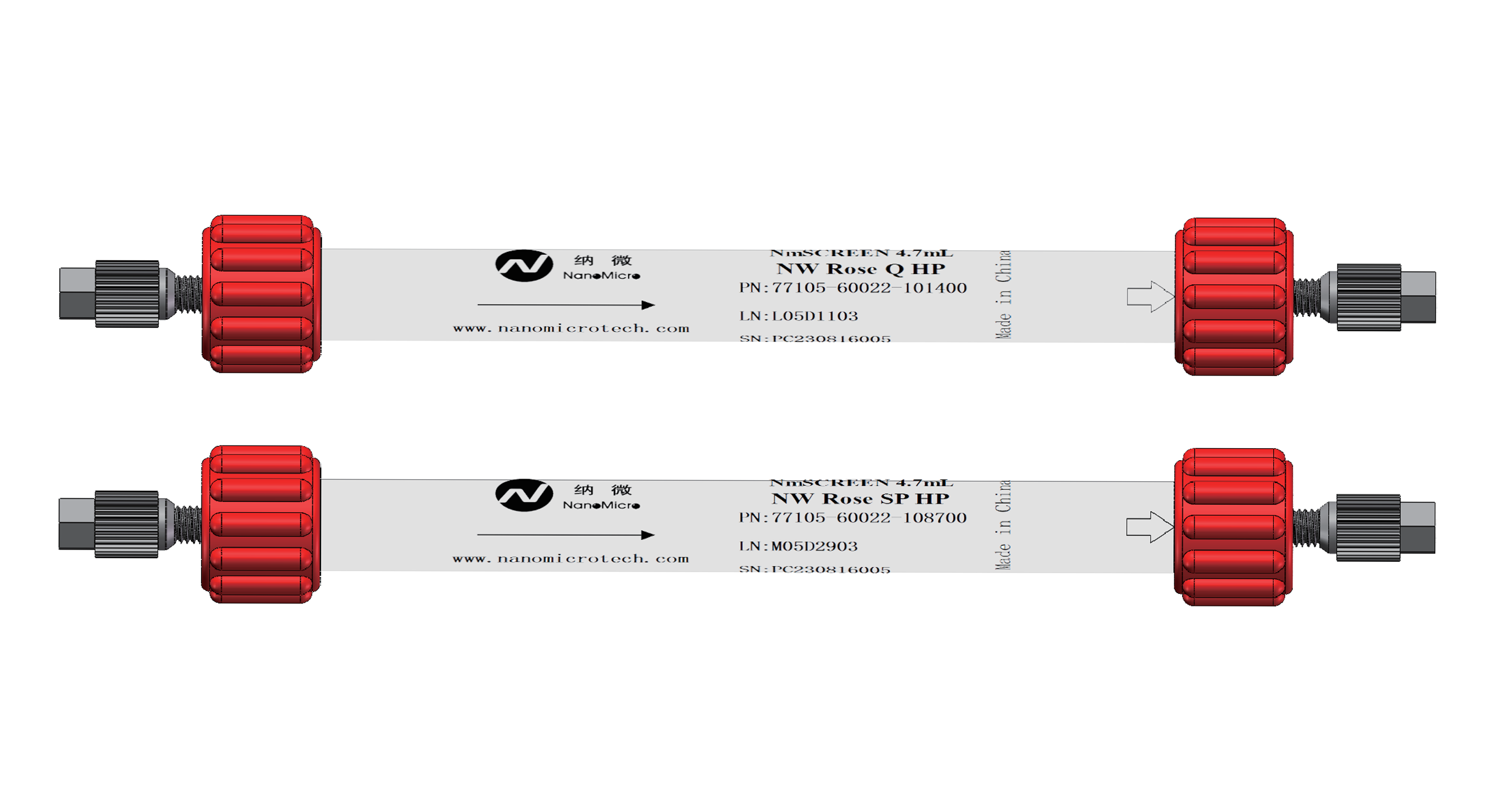
NW Rose HP Series Ion Exchange Pre-packed Columns
High resolution, high flow rate, high rigidity
View Details
-
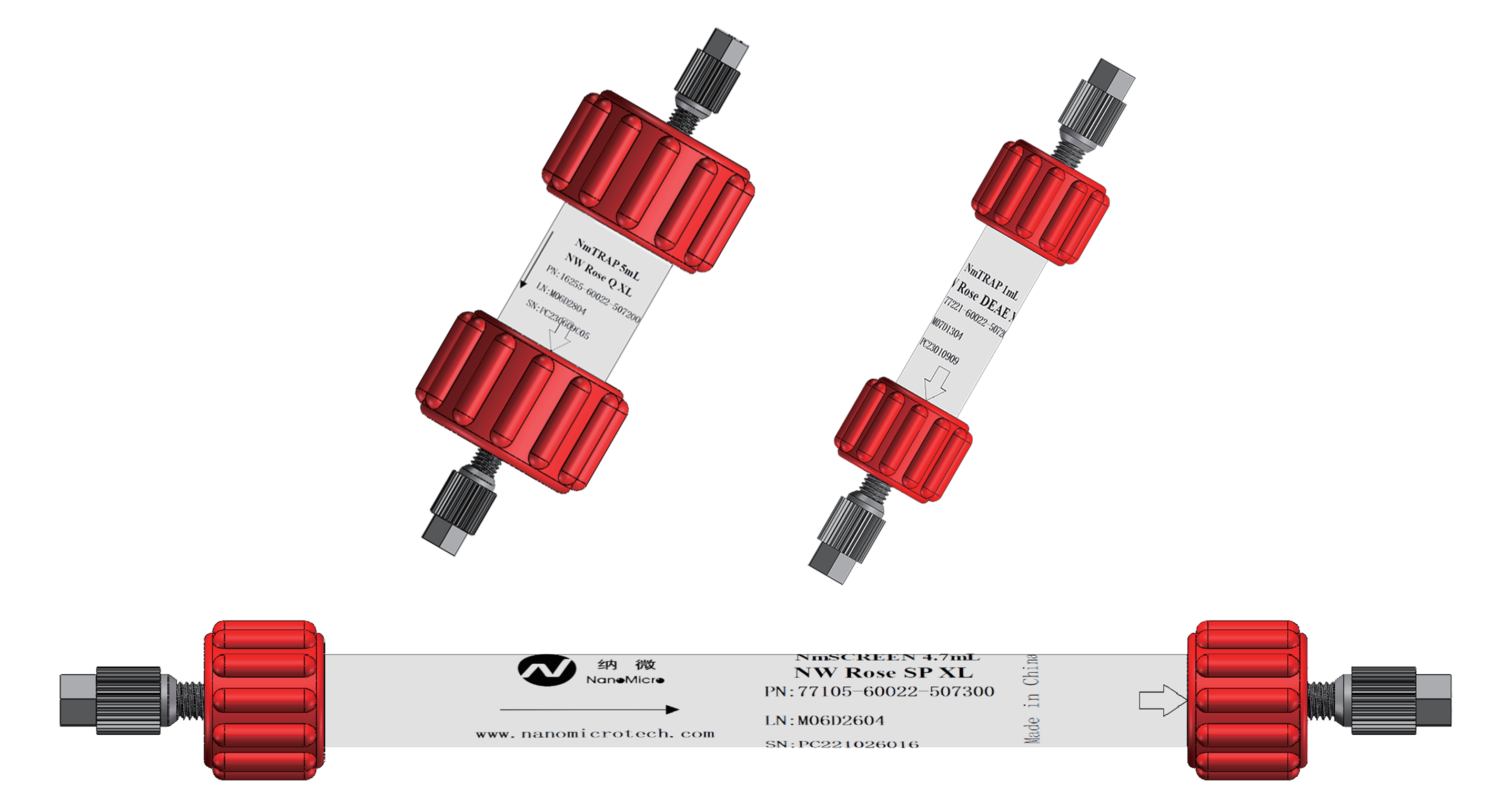
NW Rose XL Series Ion Exchange Pre-packed Columns
High dynamic binding capacity with excellent flow properties, high reproducibility and high resolution
View Details
-
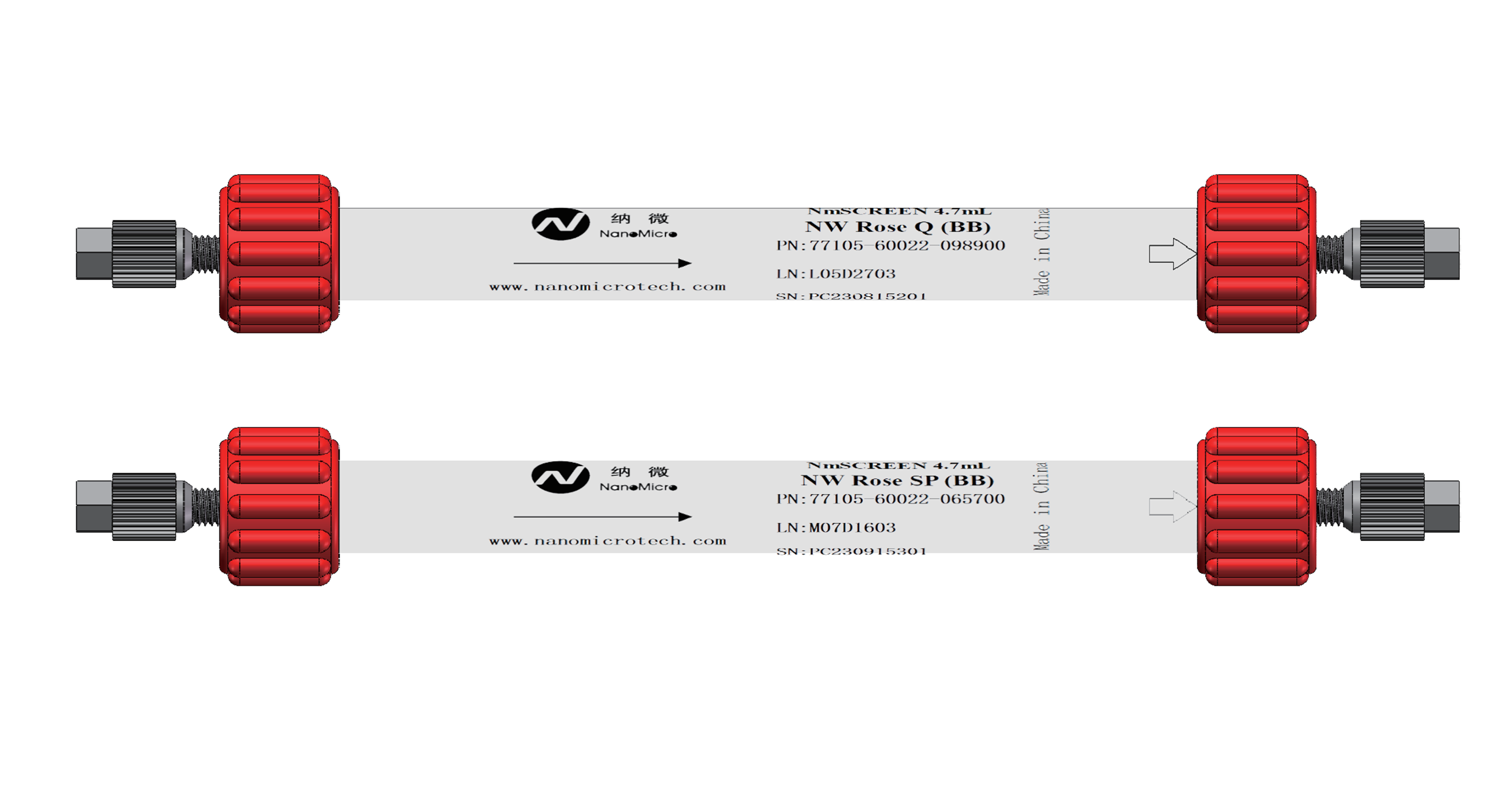
NW Rose (BB) Ion Exchange Pre-packed Columns
High dynamic binding capacity and reproducibility for capture of biomolecules
View Details
-
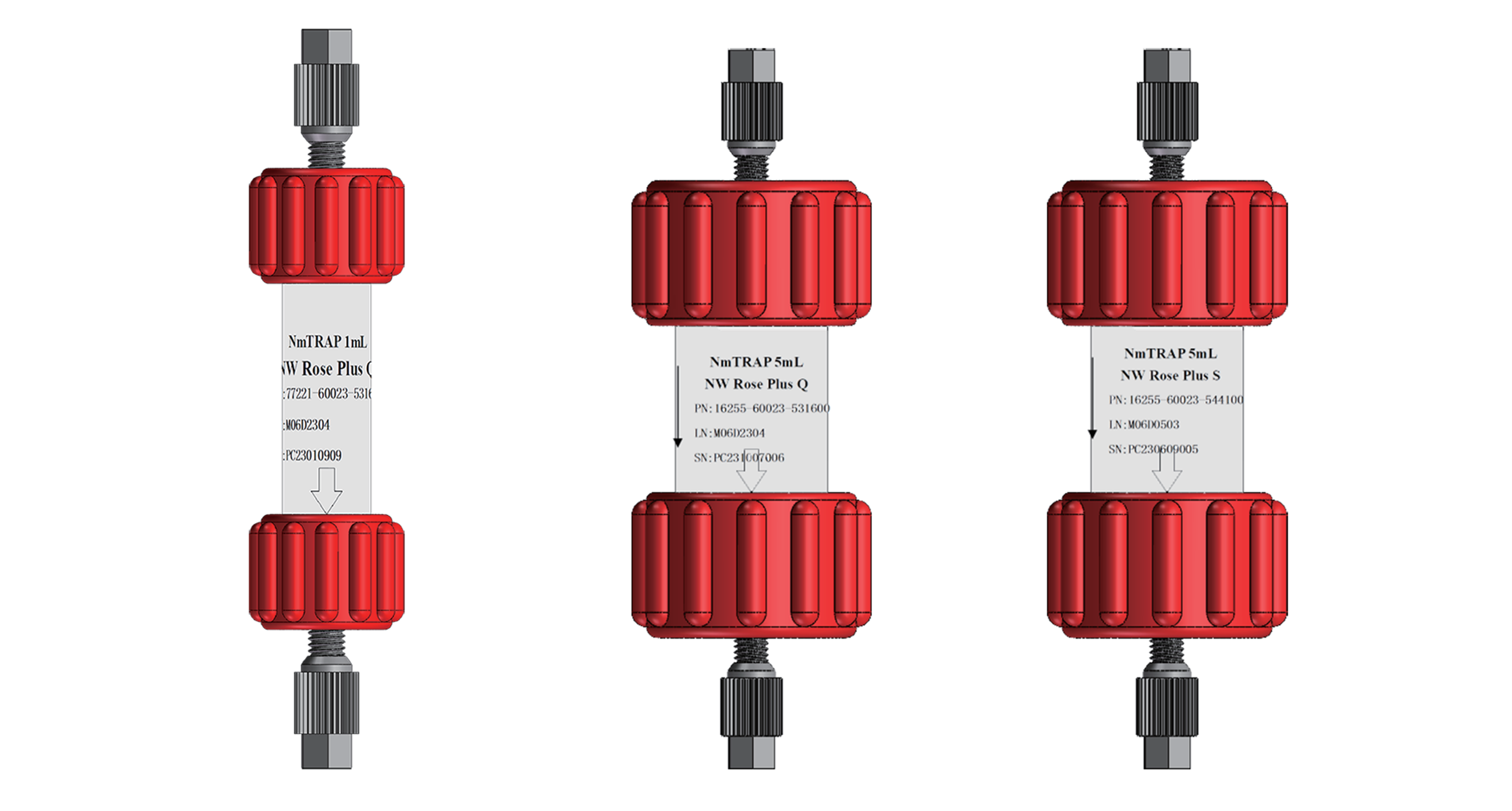
NW Rose Plus Series Ion Exchange Pre-packed Columns
High rigidity, high flow rate
View Details
-
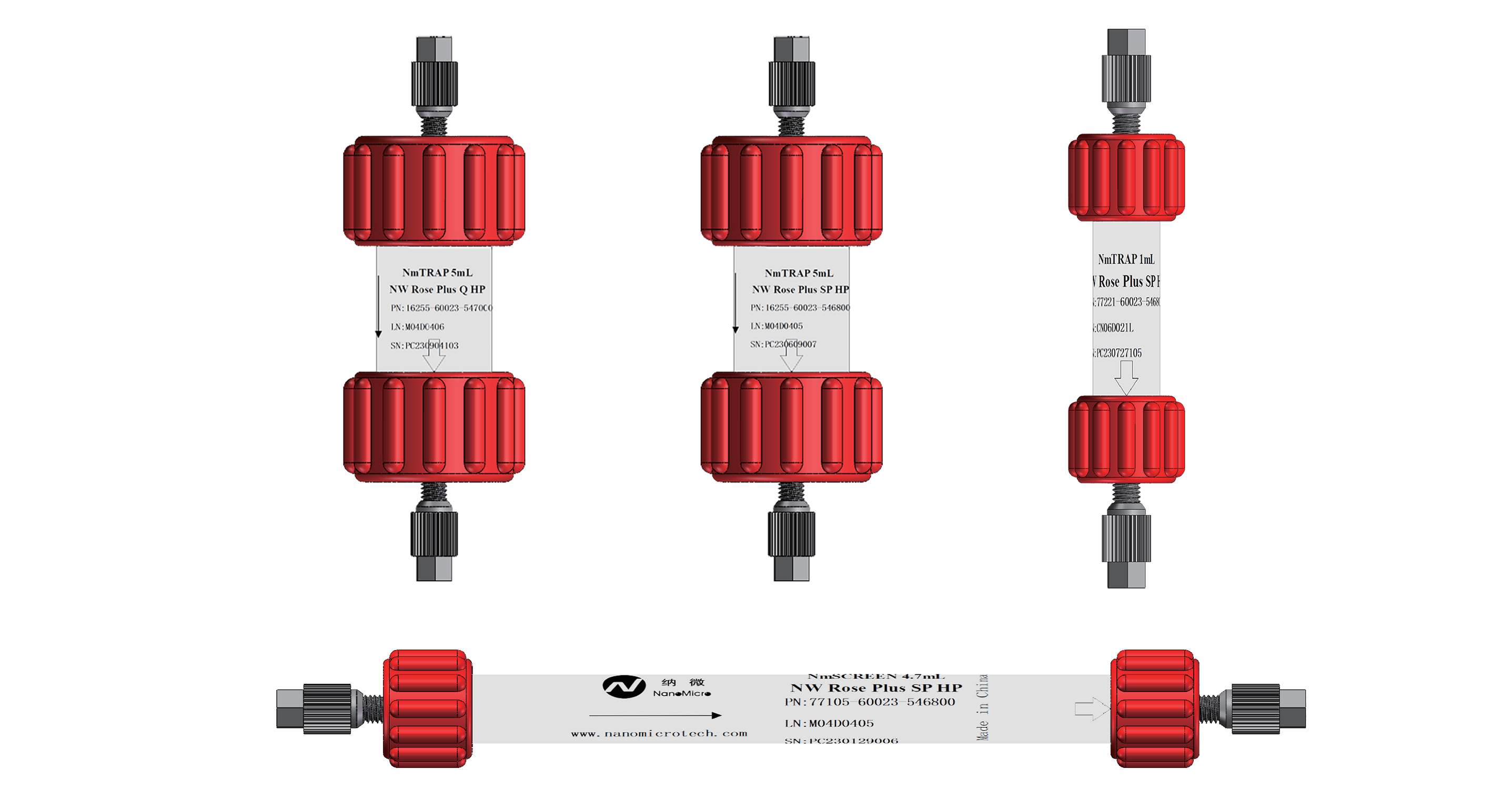
NW Rose Plus HP Series Ion Exchange Pre-packed Columns
High Flow Rate, High Rigidity, High Resolution
View Details
-
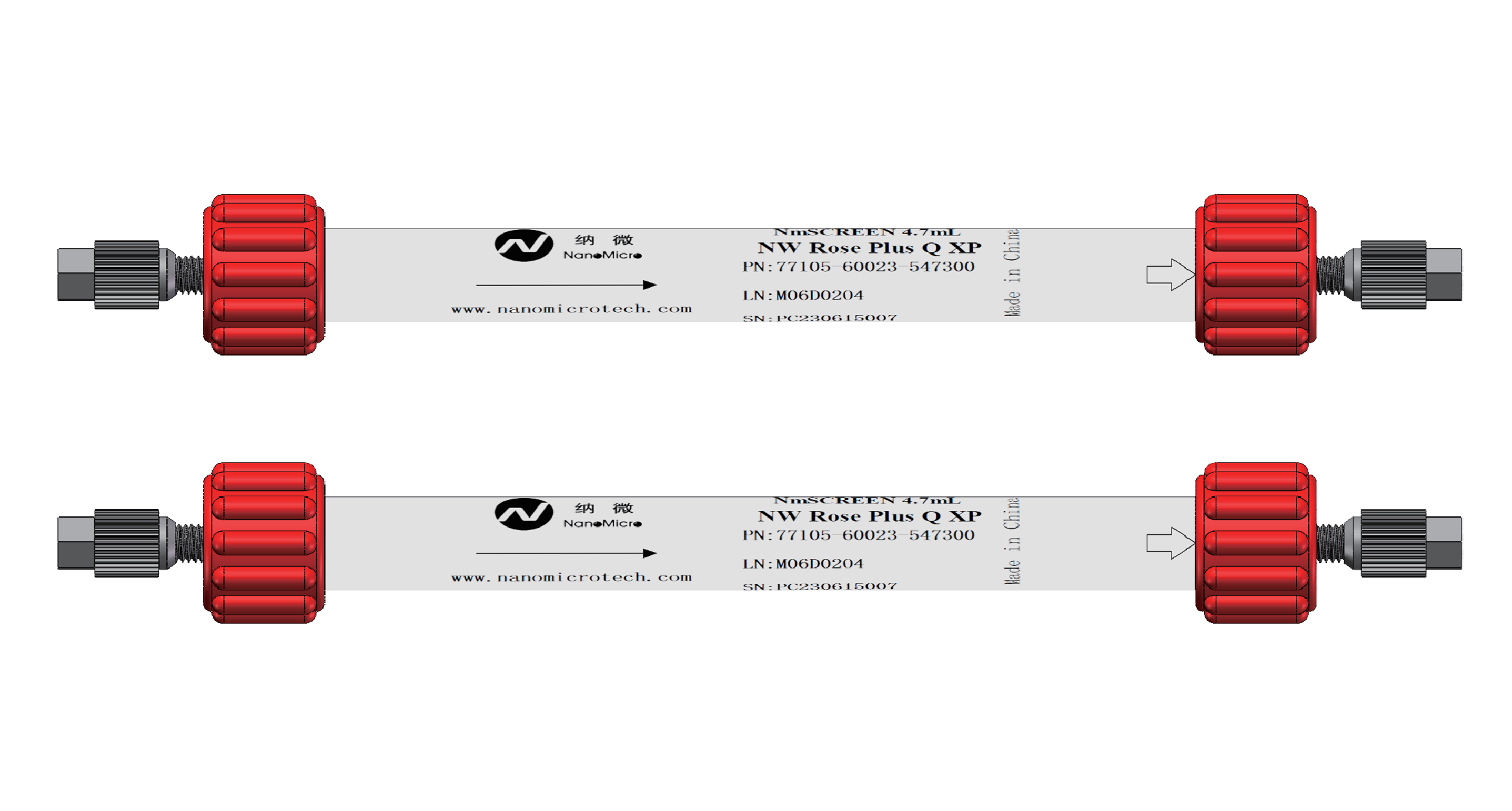
NW Rose Plus XP Series Ion Exchange Pre-packed Columns
High loading capacity, high rigidity, high flow rate
View Details
-
-
 Multimodal Columns
Multimodal chromatography is a chromatography mode that combines multiple chromatography principles, with common combinations such as ion exchange plus hydrophobic interaction, and ion exchange plus hydrophobic interaction plus size exclusion. In multimodal chromatography, two or more chromatography modes work together synergistically. This mode broadens and enriches the separation and purification methods for biological macromolecules, enhances salt tolerance, provides more selective combinations for chromatographic separation, and creates more possibilities for chromatographic separation and purification.
-
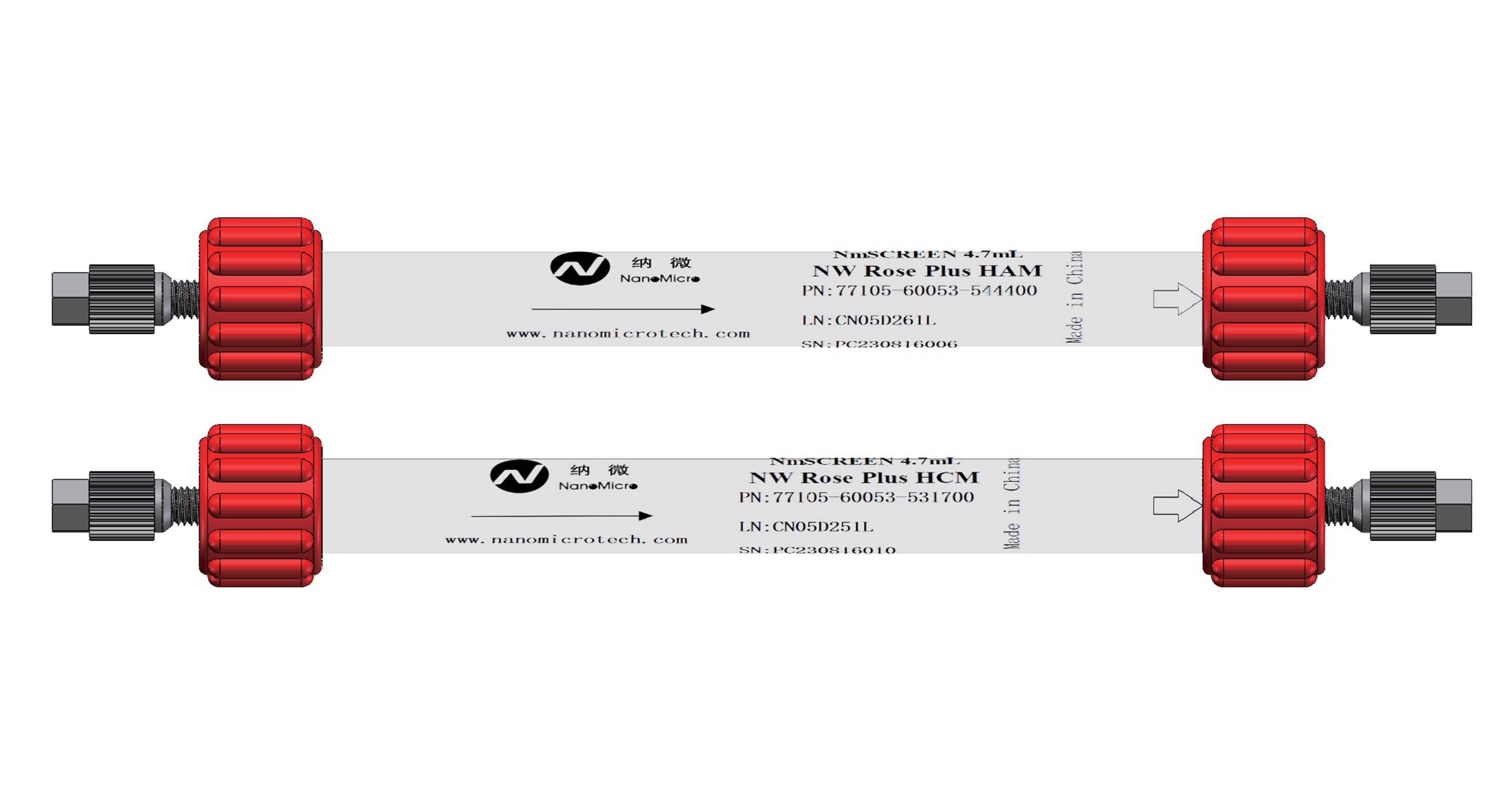
NW Rose Plus Series Multimodal Chromatography Pre-packed Columns
High dynamic binding capacity, excellent flow properties, and enhanced physical and chemical stability
View Details
-
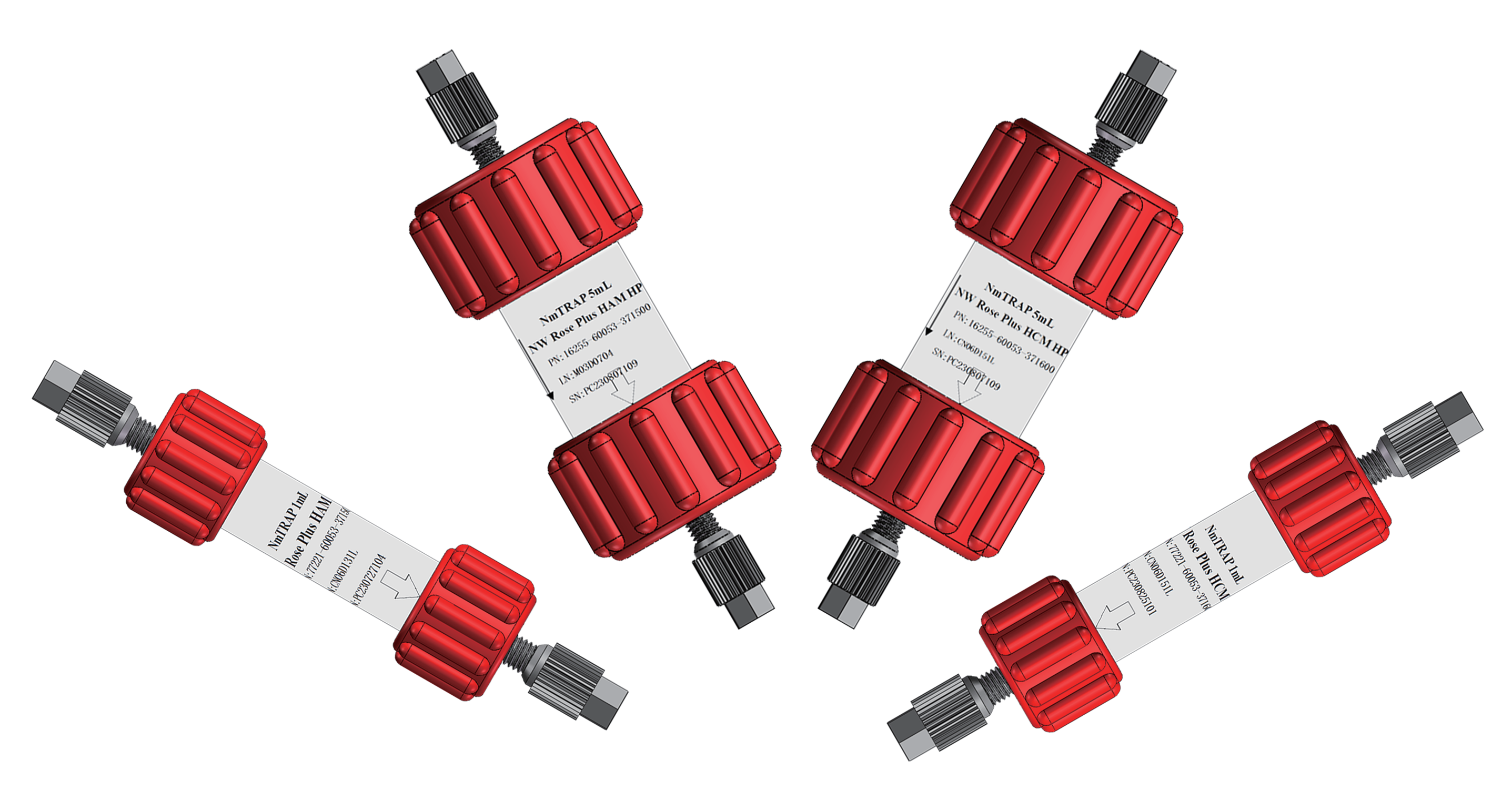
NW Rose Plus HP Series Multimodal Pre-packed Chromatography Columns
High dynamic binding capacity, excellent flow properties, and enhanced physical and chemical stability
View Details
-
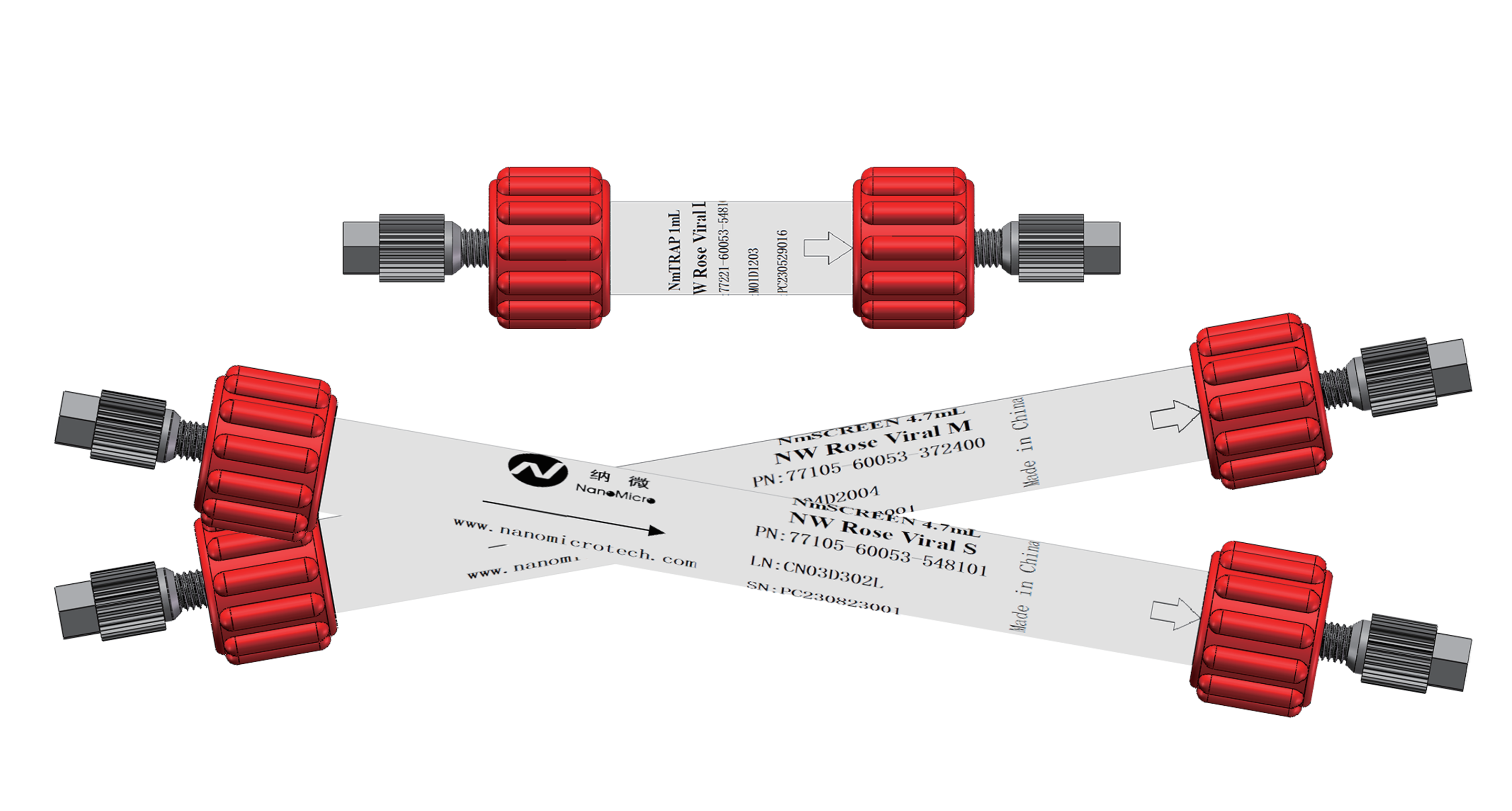
NW Rose Viral Multimodal Pre-packed Column
High loading volume and capacity, enabling linear scale-up to production scale
View Details
-
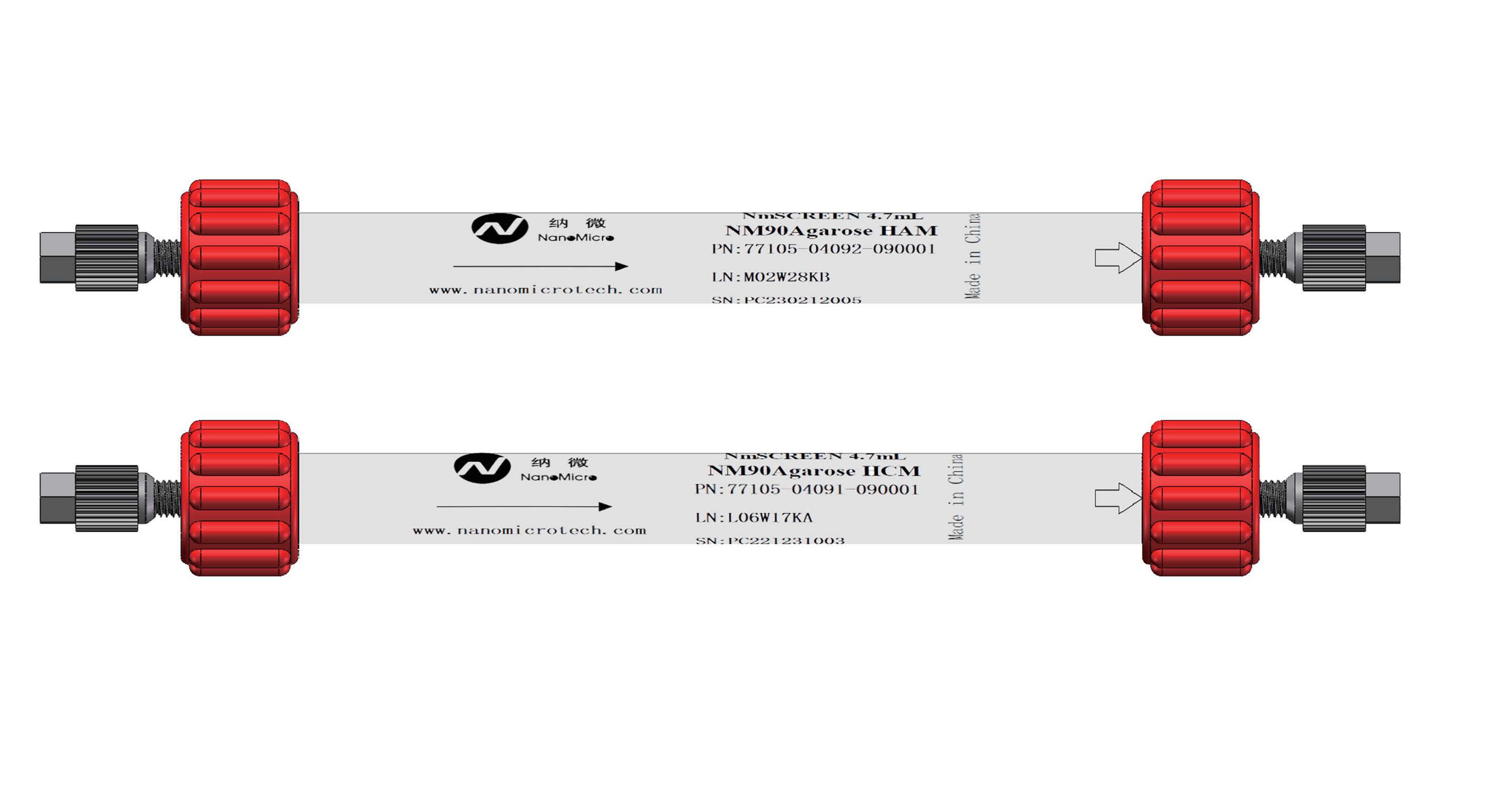
NM90Agarose Series Multimodal Pre-packed Columns
High binding capacity, low back pressure
View Details
-
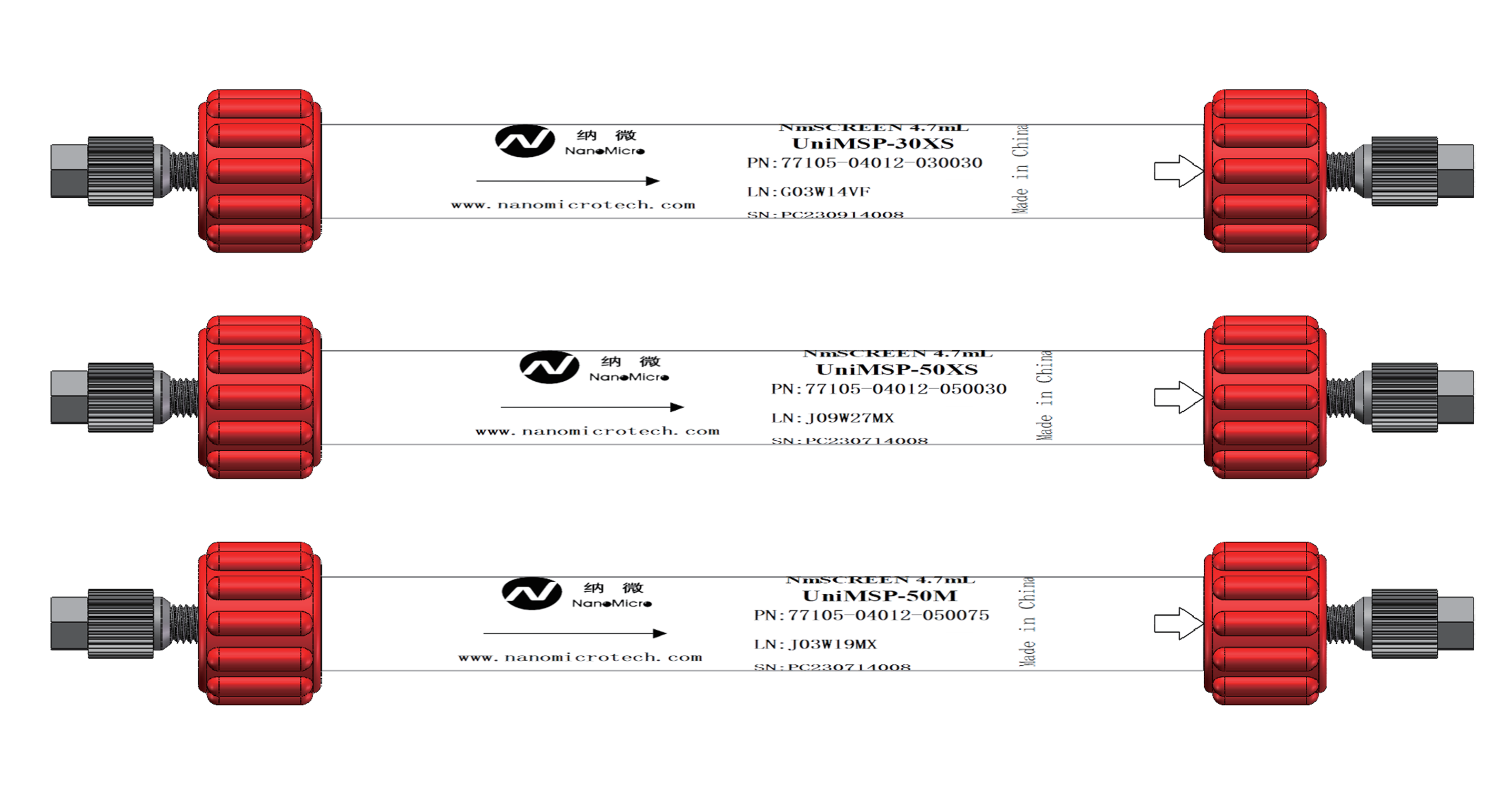
UniMSP Series Multimodal Pre-packed Columns
Monodisperse, high column efficiency, high pressure resistance
View Details
-
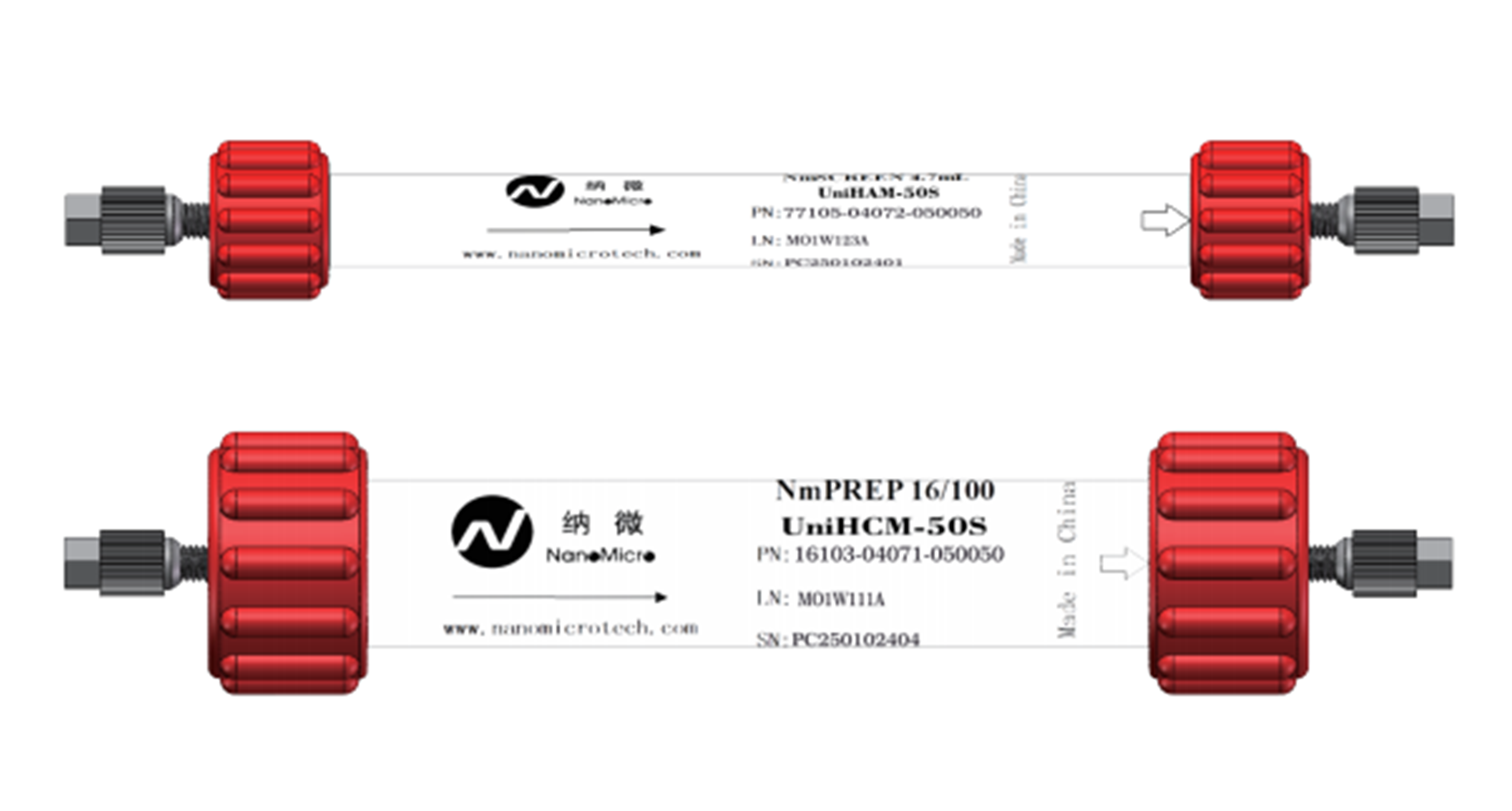
Uni Series Multimodal Pre-packed Columns
Monodisperse, high column efficiency, high pressure tolerance
View Details
-
-
 HIC Columns
Hydrophobic interaction chromatography (HIC), similar to reverse-phase chromatography (RPC), is a method for separating biological macromolecules based on differences in their surface hydrophobicity. The hydrophobic ligands of HIC resins bind reversibly with the hydrophobic molecules or groups of sample components. Because sample components differ in hydrophobicity, they bind to the ligands with different strengths, and are therefore separated by elution under different conditions. Common ligands for HIC include phenyl, butyl, octyl, and ether groups, while common ligands for RPC include C18, C8, and C4. The ligand hydrophobicity and ligand density of HIC resins are generally lower than those of reverse-phase chromatography.
-
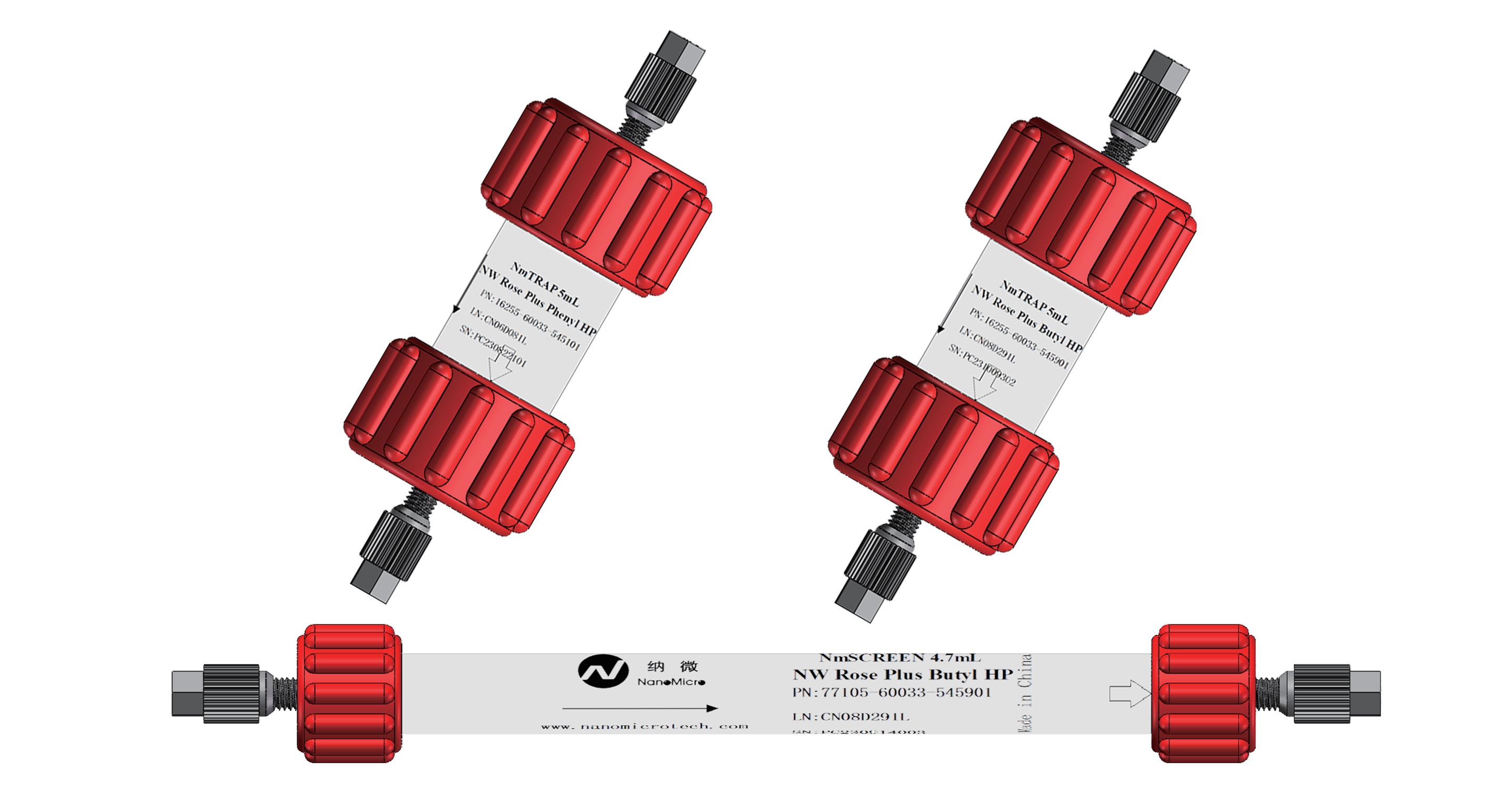
NW Rose Plus HP Series HIC Pre-packed Columns
Higher resolution, higher binding capacity and performance, faster flow rates, and excellent physicochemical properties
View Details
-
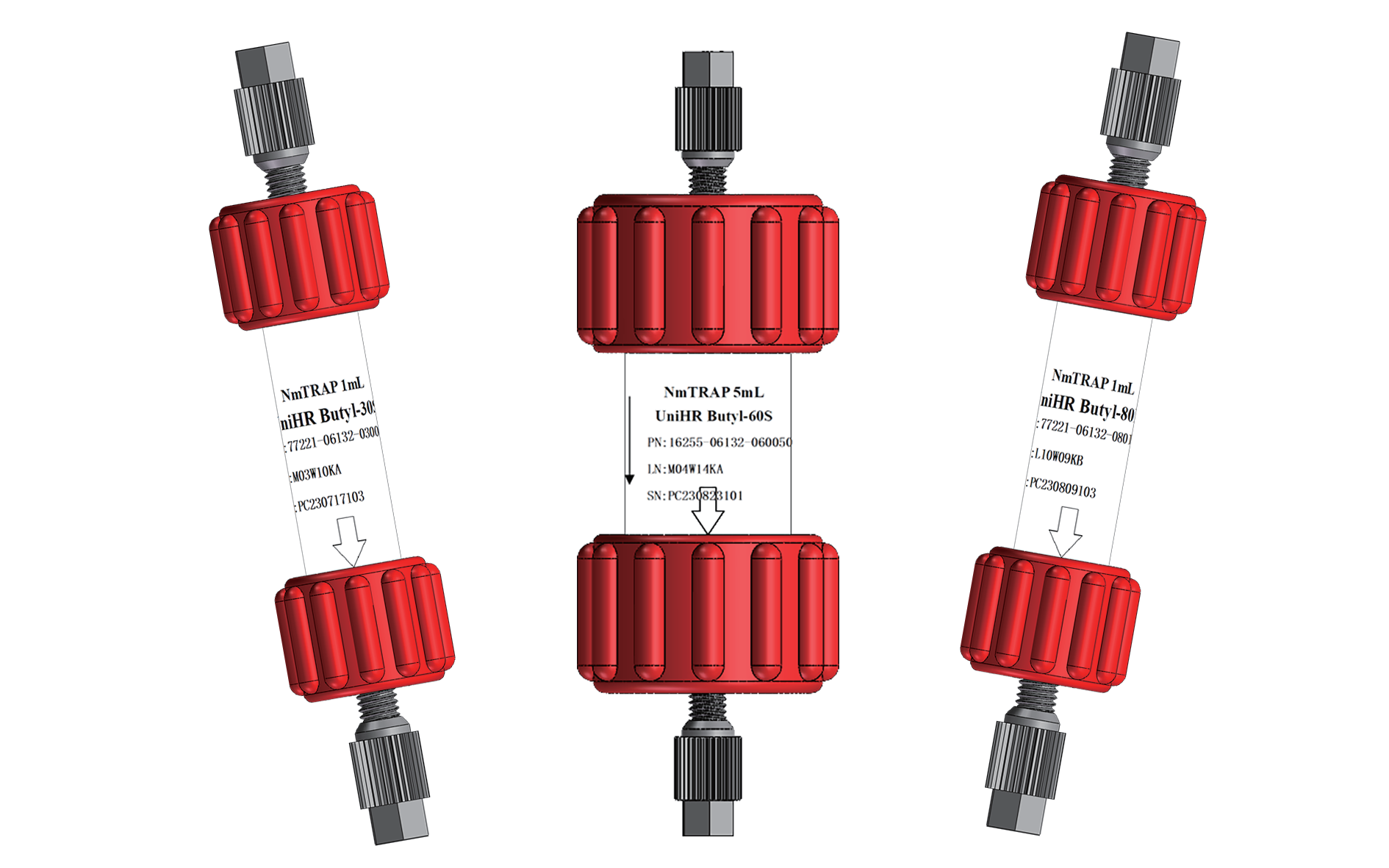
UniHR Butyl HIC Pre-packed Column
Excellent hydrophilicity of the matrix, good biocompatibility, alkali resistance, and high sample recovery
View Details
-
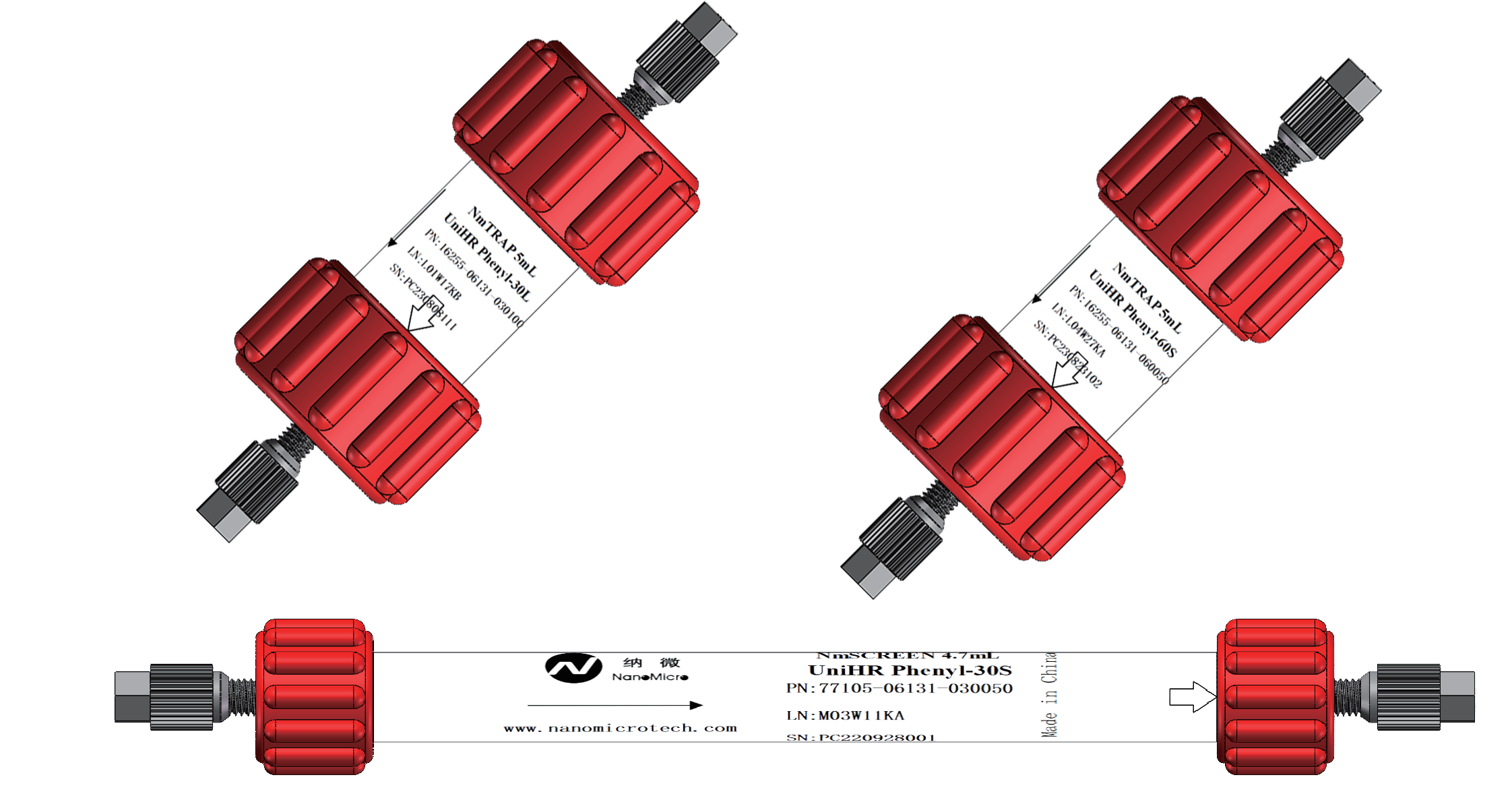
UniHR Phenyl HIC Pre-packed Column
Hydrophilic backbone with excellent biocompatibility, alkali resistance, and high sample recovery
View Details
-
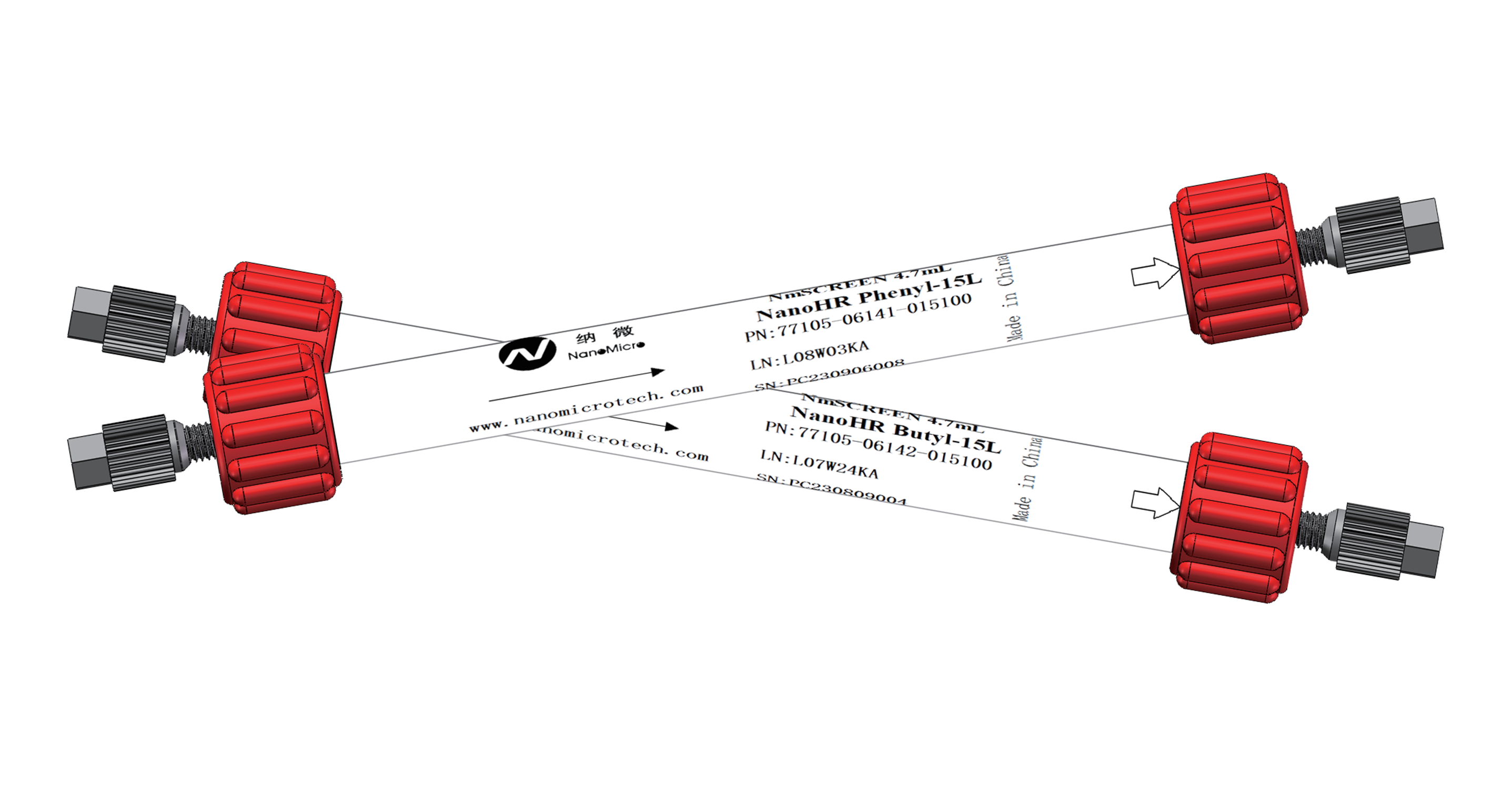
NanoHR Series HIC Pre-packed Columns
High resolution, excellent pressure tolerance, long service life, and resistance to strong acids and alkalis over extended periods
View Details
-
-
 Size Exclusion Columns
Gel filtration chromatography, also known as size exclusion chromatography or molecular sieve chromatography, is a chromatography method that separates and purifies molecules based on differences in their size and shape. Gel permeation chromatography resins are inert substances with porous network structures, typically cross-linked polysaccharides (such as dextran or agarose), which separate the components of a mixture according to their molecular size. Generally, larger molecules do not enter the interior of the resin, or enter it but travel a shorter path, and are therefore eluted first; smaller molecules enter the resin and travel a longer path, and are therefore eluted later.
-
 Empty Columns
Premium column tubes and accessories, designed to be used with chromatography resins.
-
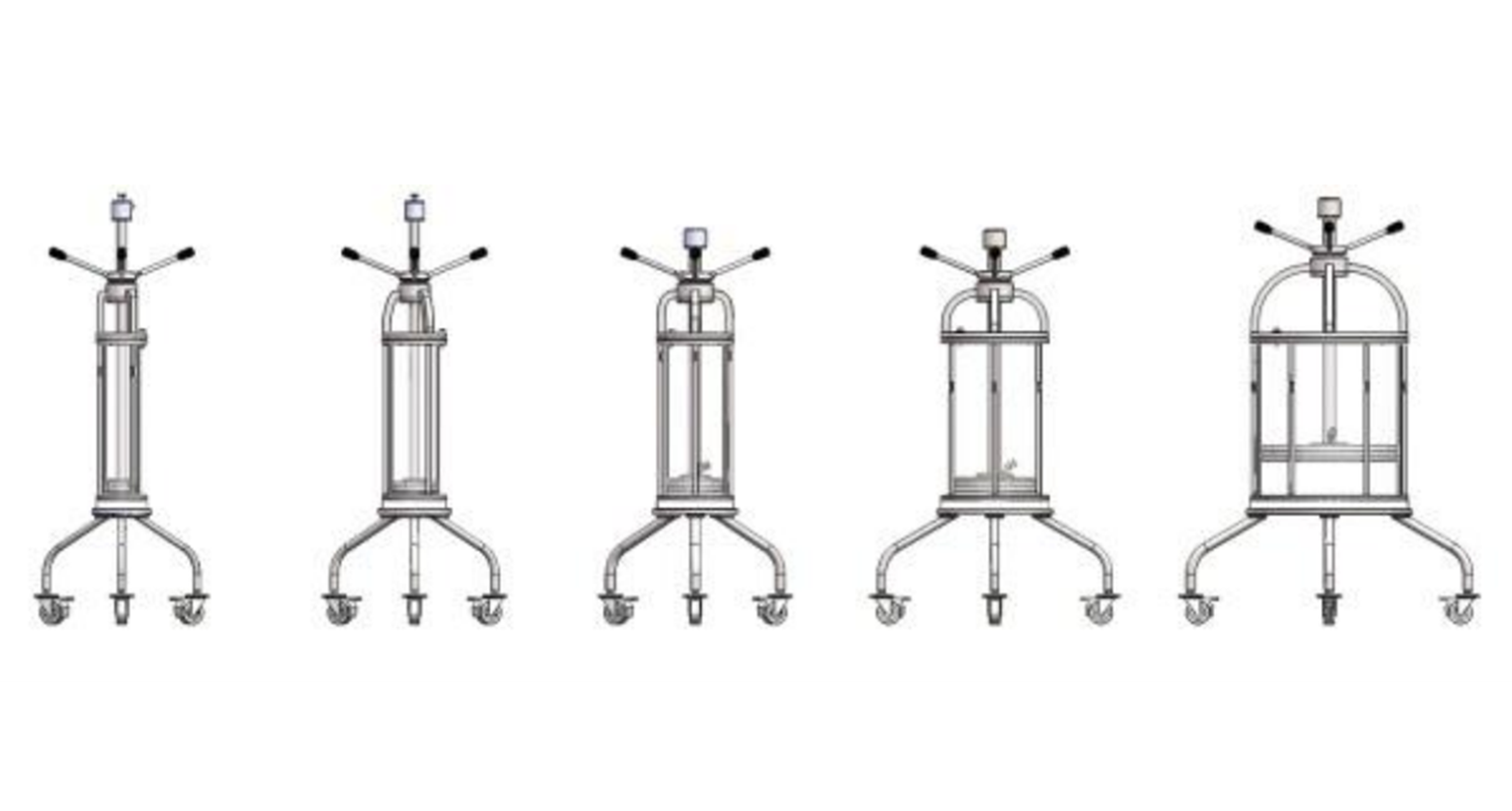
Low-Pressure Pilot-Scale Columns - NmPILOT Plus Series
Low-pressure general-purpose pilot-scale purification
View Details
-
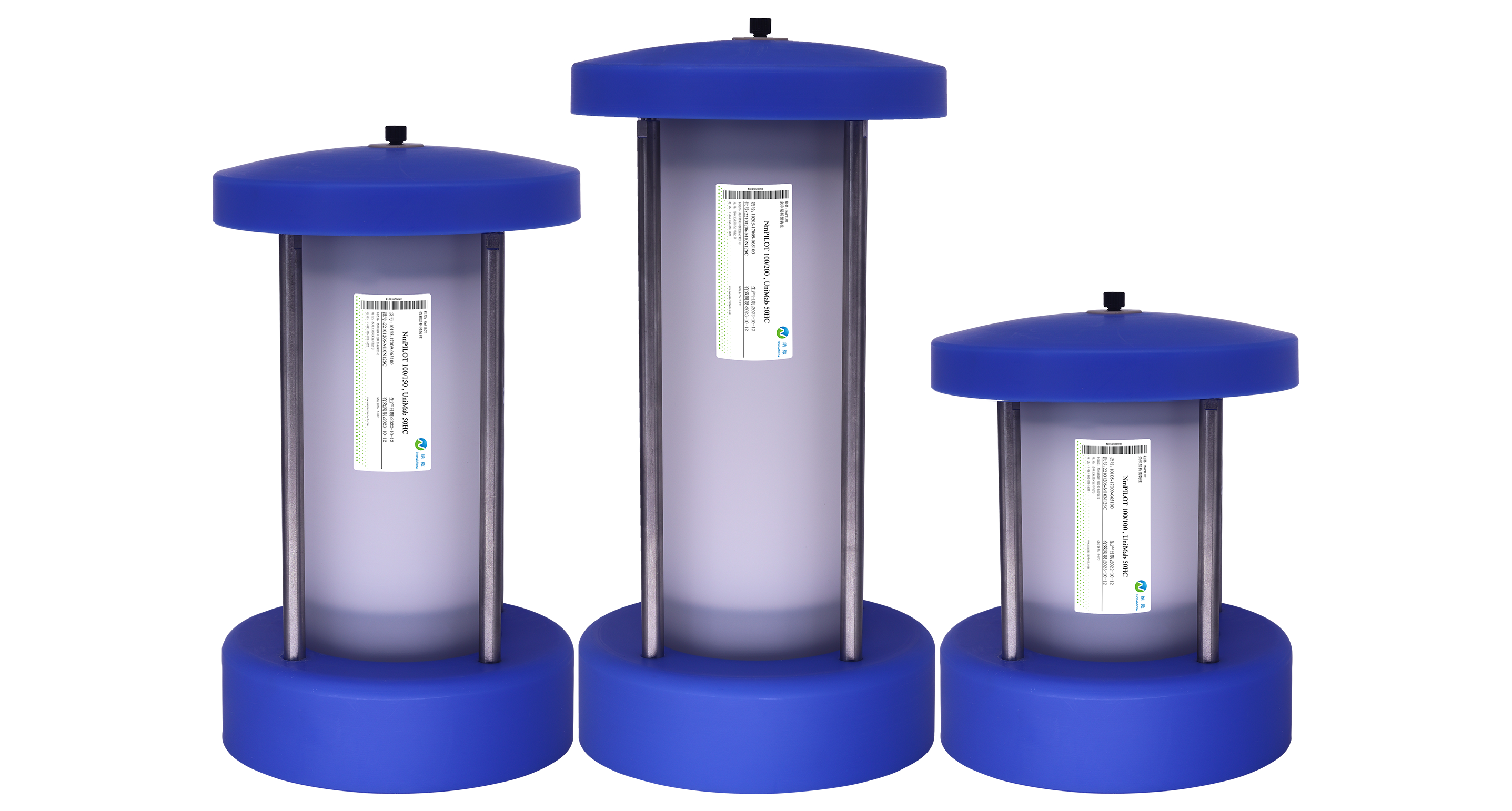
Medium-Pressure Pilot-Scale Prep Columns - NmPILOT Series
Medium-pressure general-purpose pilot-scale purification
View Details
-
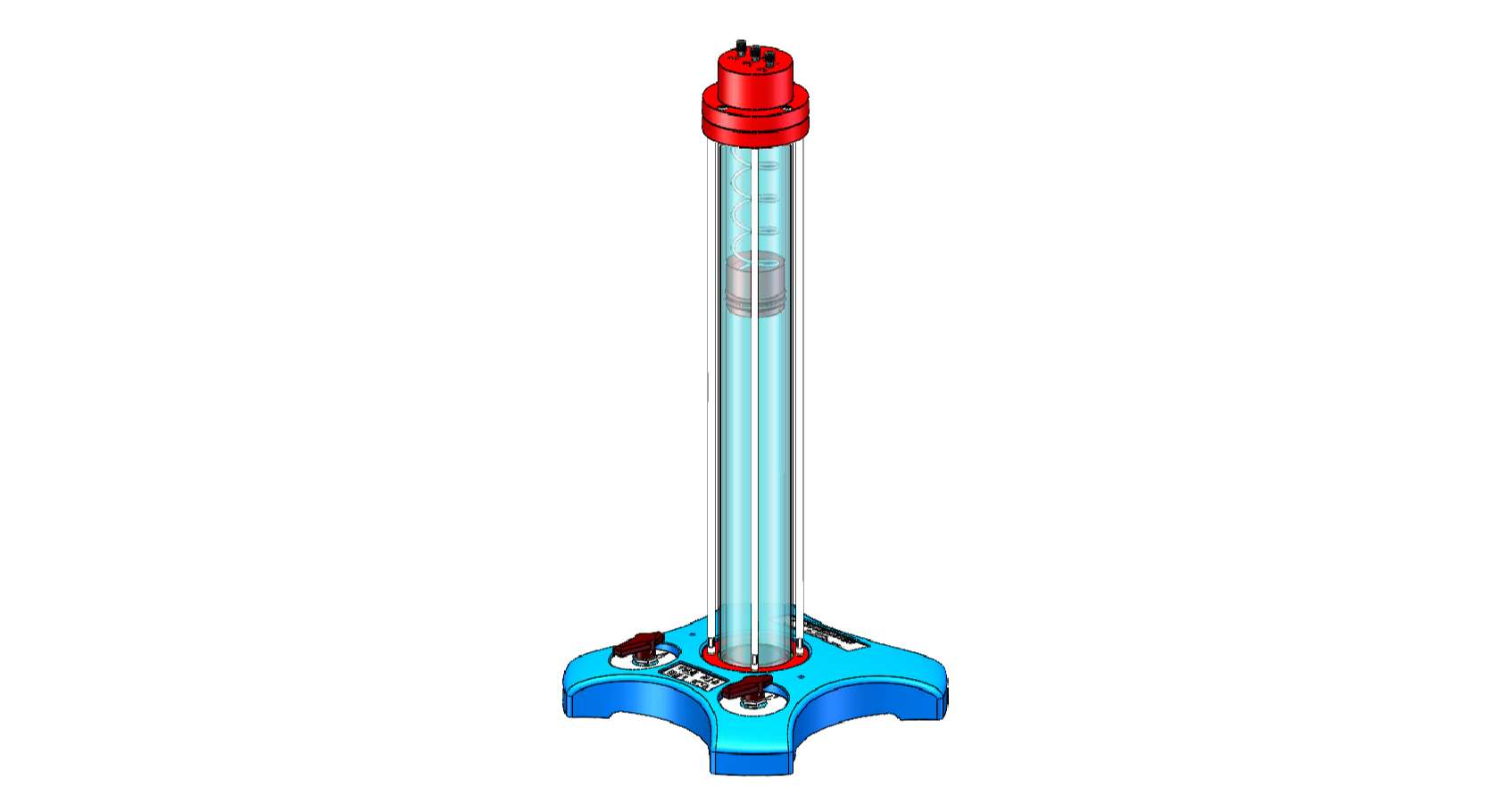
Connect Glass Preparation Columns - EZPacking Series Quick
Process Scale-up and Pilot-scale Purification
View Details
-
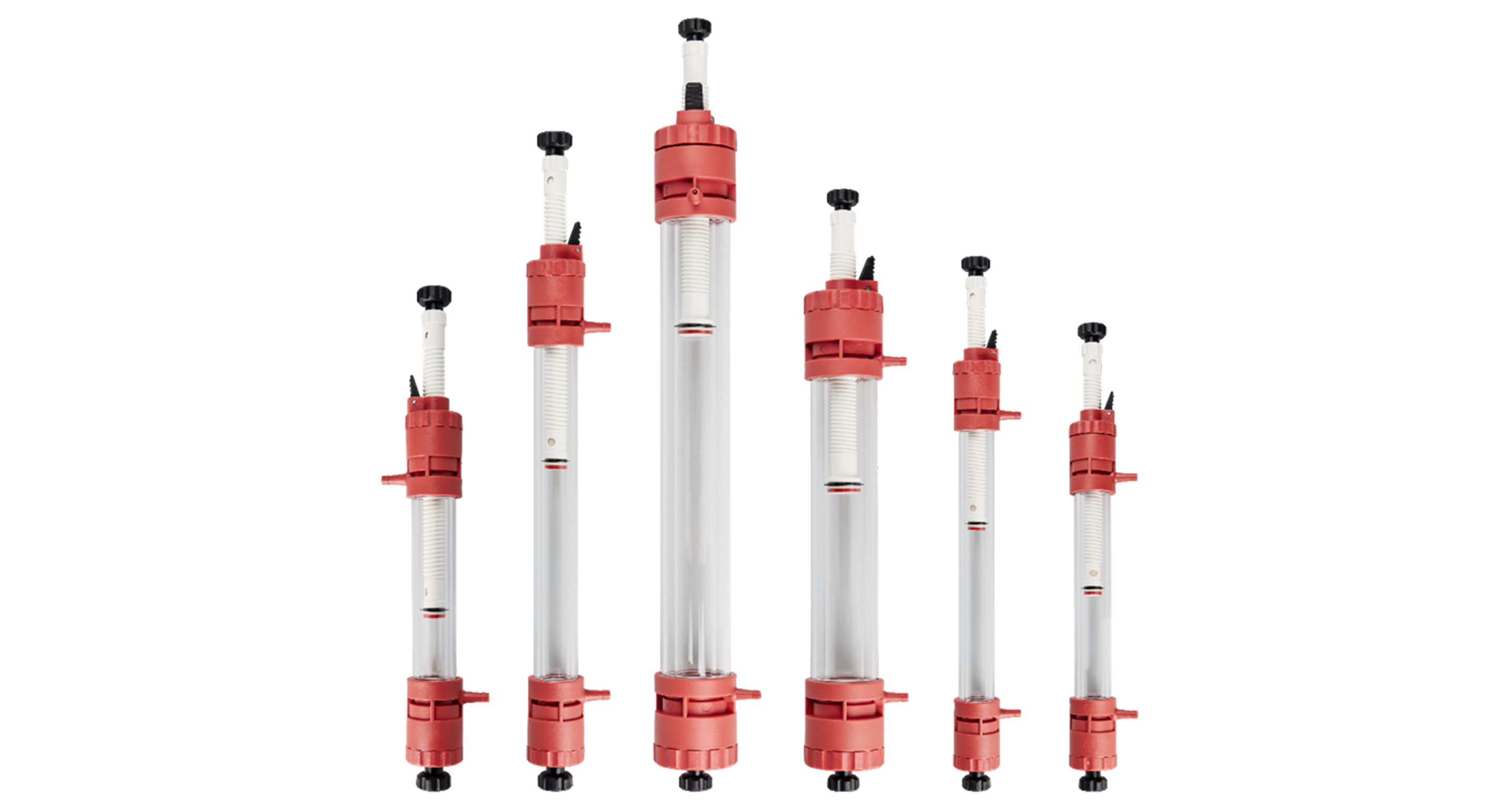
Low-Pressure Glass Jacketed Preparative Column - NmXK Series
For sample purification and preparation, the cooling jacket is compatible with purification of temperature-sensitive samples
View Details
-
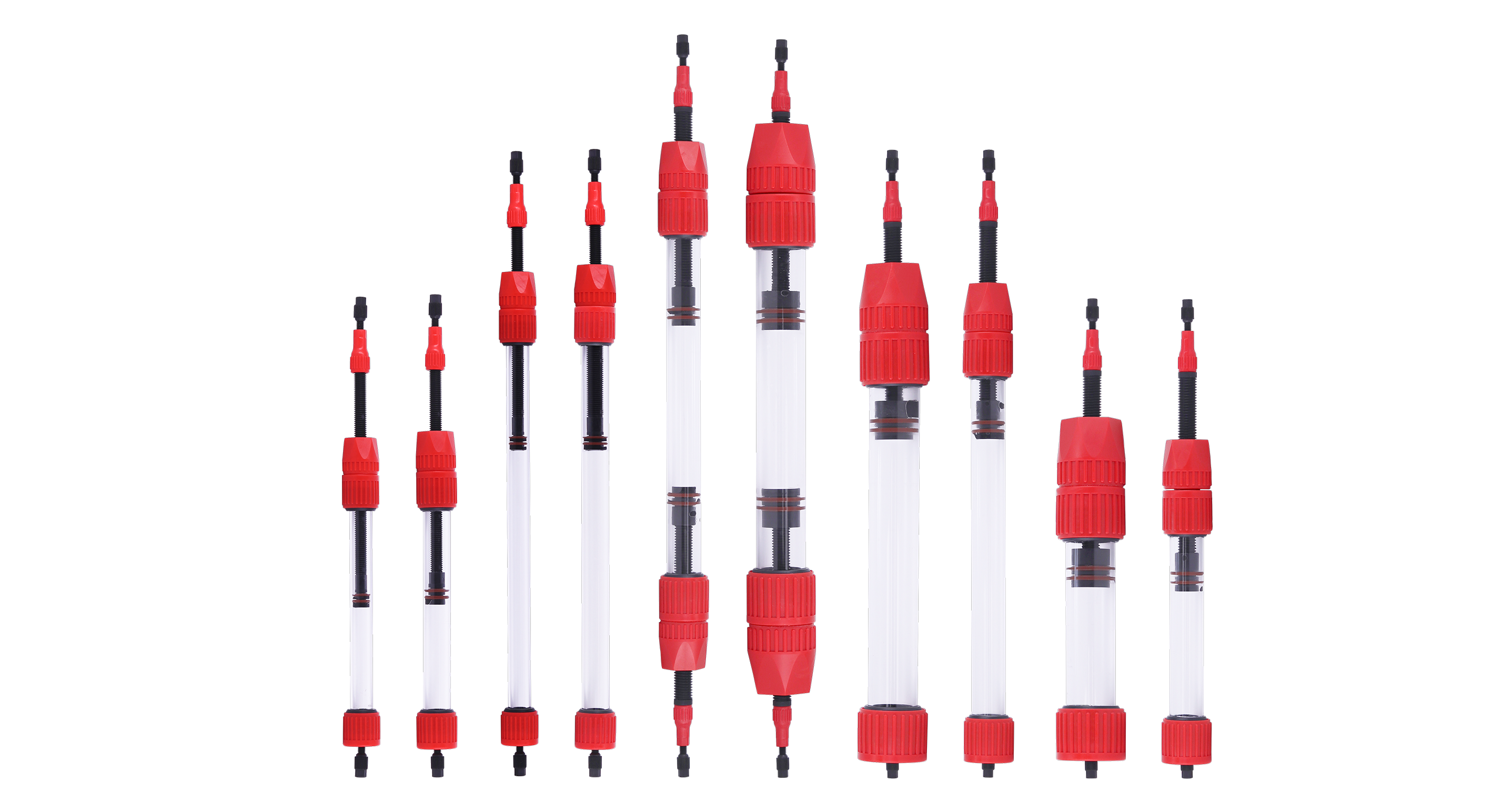
Pressure Glass Process Development Columns - NmVALID Pro Series Medium
Process optimization, validation, and sample purification
View Details
-
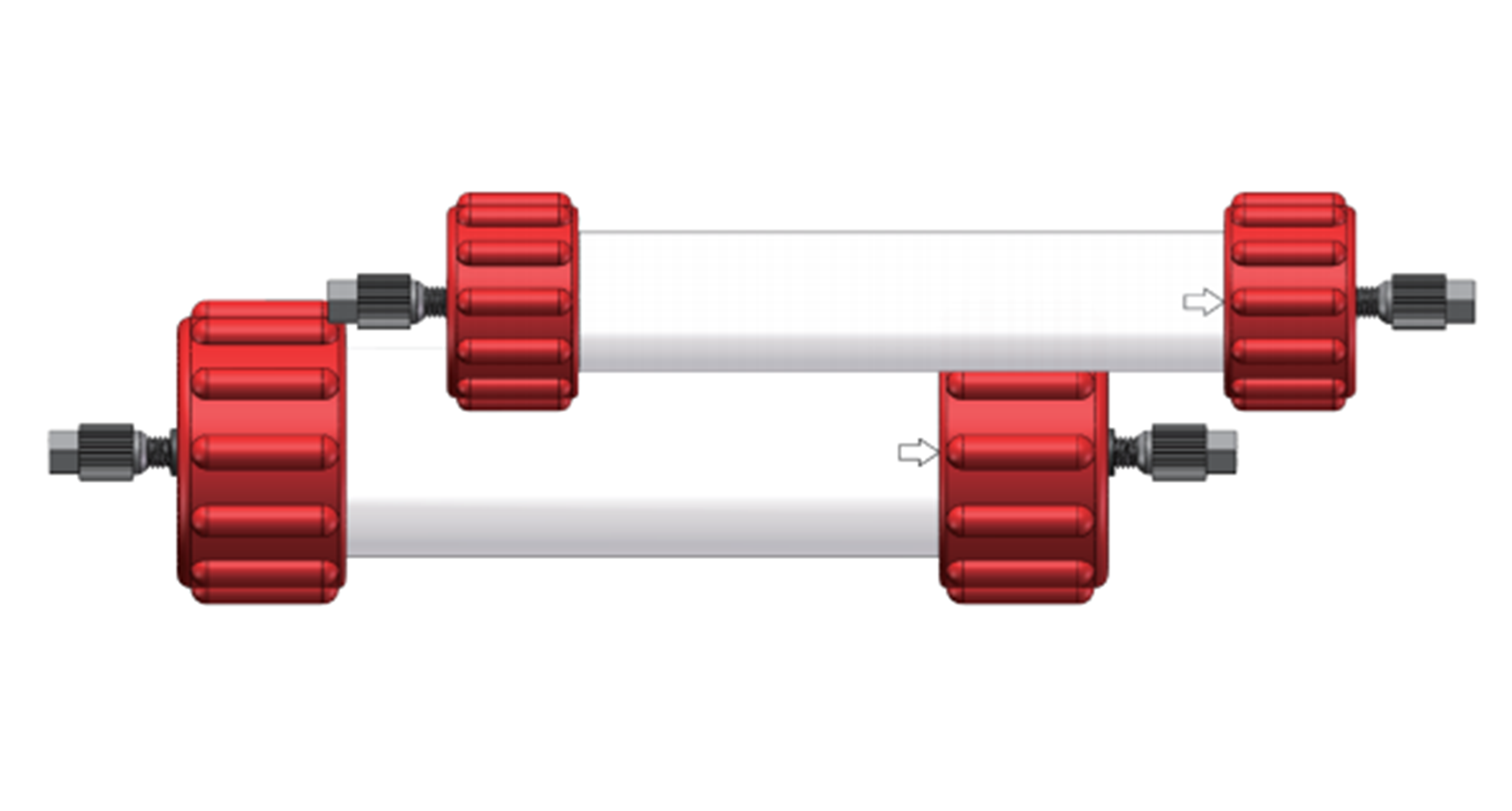
PP Column - NmPREP Series
Small-volume sample testing and desalting
View Details
-
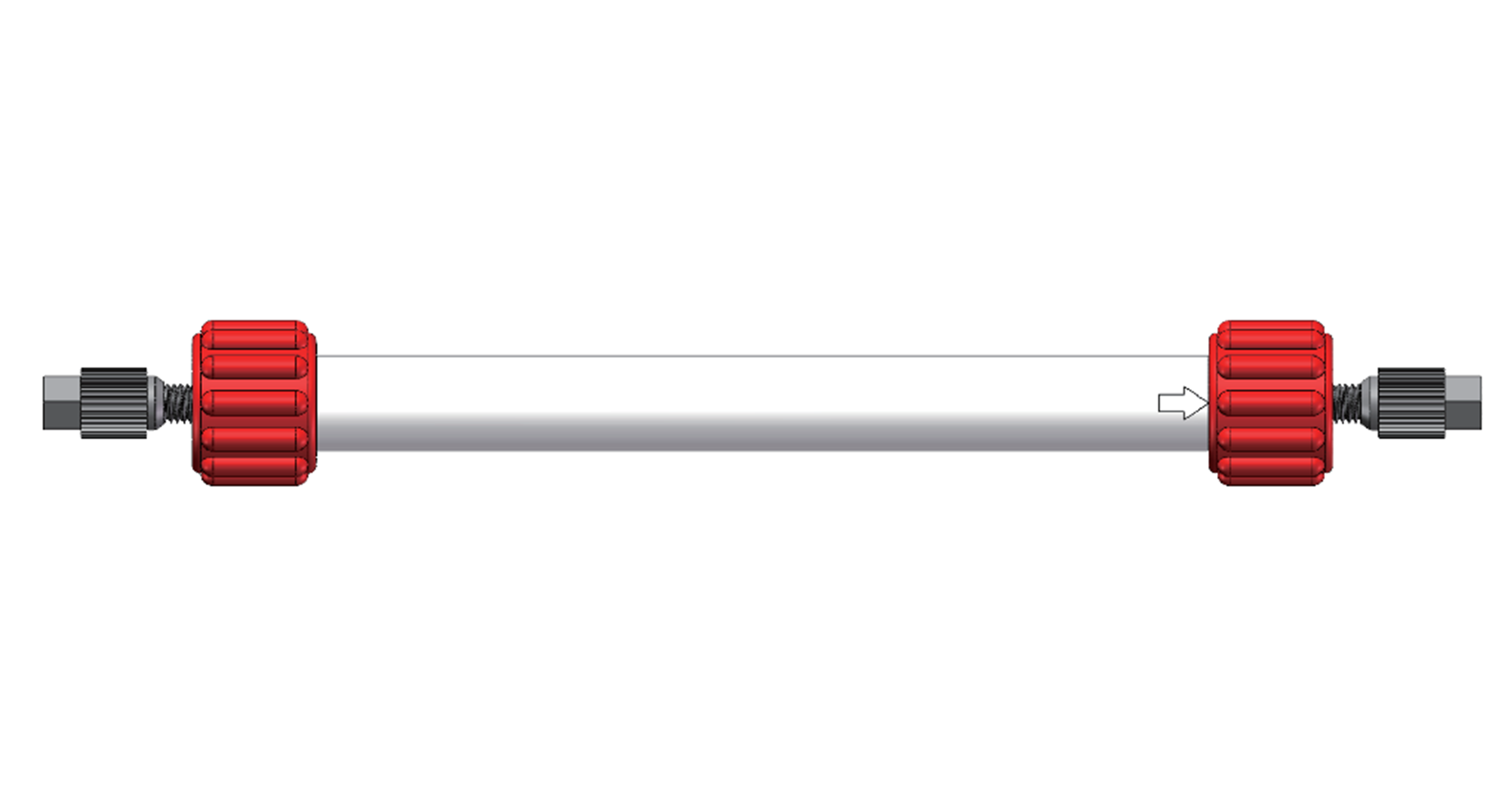
PP Column - NmSCREEN Series
Process Screening Optimization and Loading Capacity Testing
View Details
-
PP Column - NmTRAP Series
Rapid resin screening and micro-sample desalting
View Details
-