Oligonucleotide Total Solutions
Oligonucleotide drugs (also known as small nucleic acid drugs) exert therapeutic effects by directly targeting the genetic material (DNA/RNA) of diseases, offering higher target druggability, high specificity, and prolonged efficacy. They are also convenient to synthesize, have short preclinical development cycles, and manageable adverse reactions. Recognized as the third-generation innovative drugs following antibody drugs, they demonstrate tremendous potential in the treatment of major diseases.
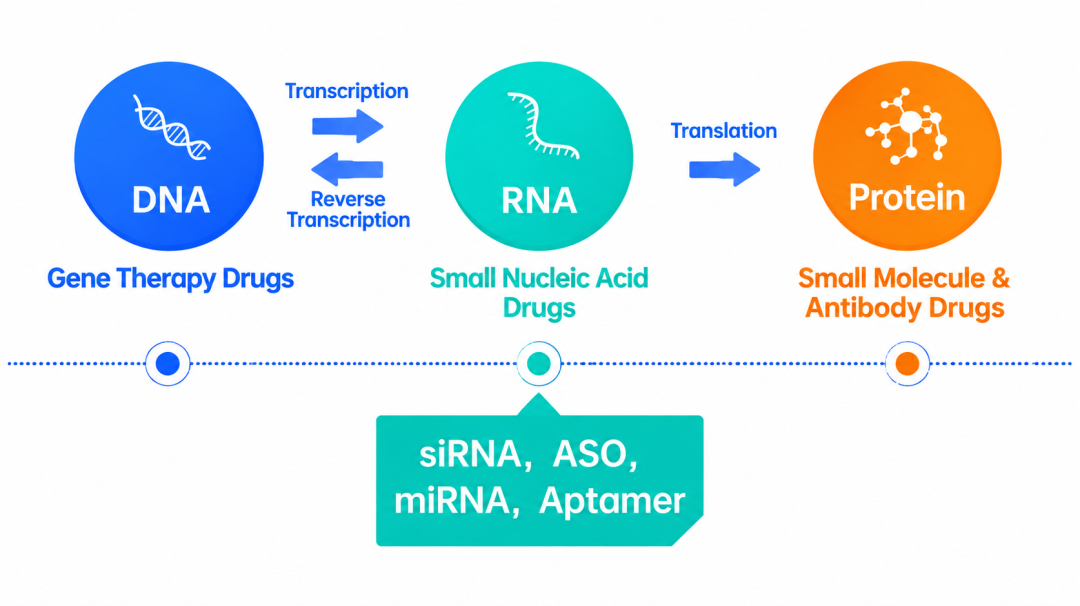
Figure 1. From genetic information transfer to innovative drugs
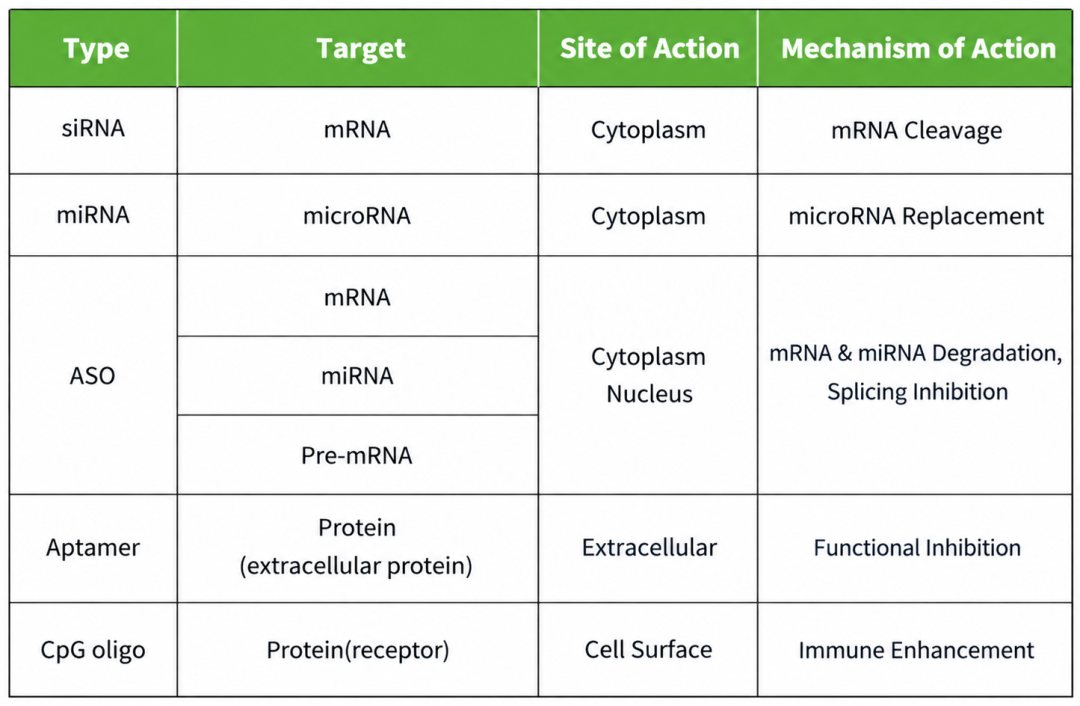
Oligonucleotide drugs are classified into small interfering RNA (siRNA), antisense oligonucleotides (ASO), microRNA (miRNA), and aptamers. Currently, ASOs and siRNAs are the main types, both acting on cytoplasmic mRNA. They recognize and inhibit target mRNA through base complementarity, thereby regulating protein expression to achieve therapeutic effects.
Table 1. Common oligonucleotide drugs
Oligonucleotide drugs offer novel solutions for numerous challenging conditions, including rare diseases, genetic disorders, chronic diseases (such as hyperlipidemia and NASH), and "undruggable targets" (such as RNA splicing abnormalities). Among approximately 7,000 rare diseases worldwide, only 5% have effective treatments, making oligonucleotide drugs (e.g., ASOs, siRNAs) a major R&D hotspot.
Oligonucleotide Synthesis Solutions
Oligonucleotide drugs are currently manufactured primarily through chemical synthesis. The process includes: 1) target sequence screening; 2) solid-phase oligonucleotide synthesis; 3) cleavage and deprotection; 4) oligonucleotide purification; 5) concentration (ultrafiltration) and buffer exchange; 6) lyophilization/formulation.
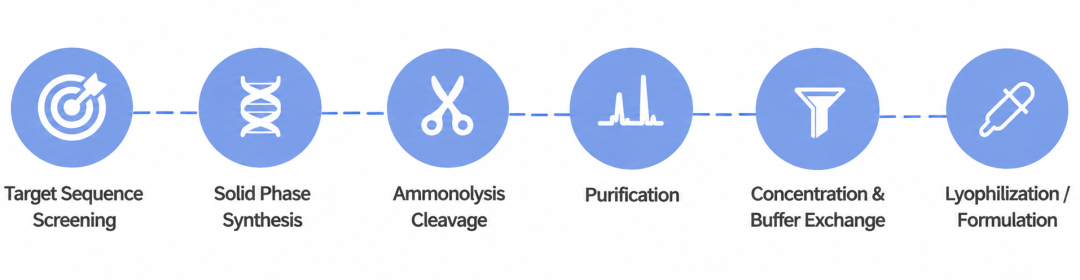
Figure 3. Oligonucleotide drug production process
Currently, the phosphoramidite solid-phase synthesis method is predominantly used for oligonucleotide synthesis. This method mainly involves the following four steps:
Each cycle of these four steps adds one sequence to the solid support. A complete synthesis cycle adds one nucleotide residue to the growing oligonucleotide chain on the solid support. In theory, sequences can be extended indefinitely from the 3’ end to the 5’ end by repeating this cycle.
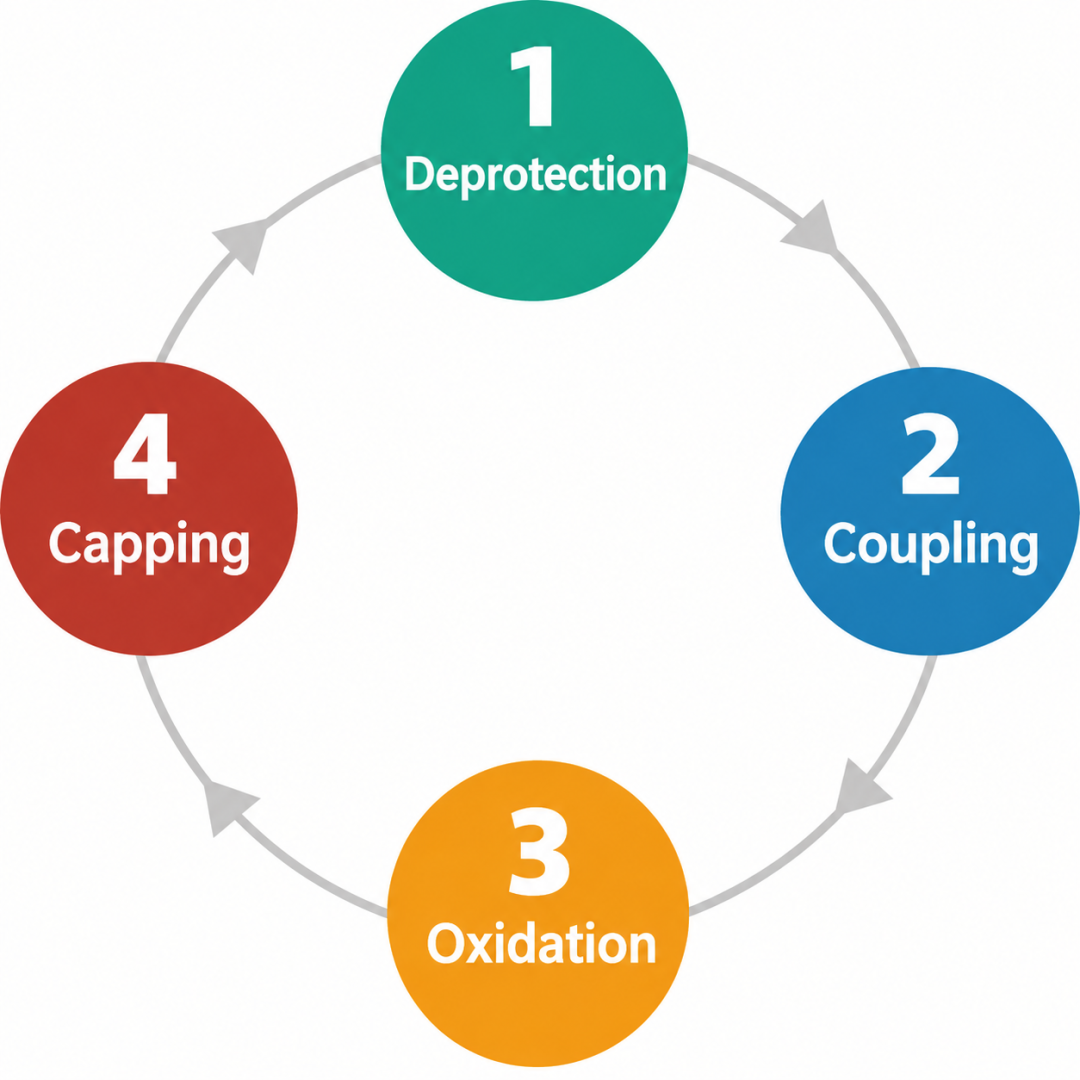
Figure 4. Steps of solid-phase oligonucleotide synthesis
Oligonucleotide synthesis is influenced not only by the quality of nucleic acid monomers, solid-phase carriers, reagent quality, synthesis process parameters, and the synthesis environment, but also by the synthesis equipment. To meet customer synthesis needs, NanoMicro has developed solid-phase synthesis carriers for oligonucleotides, with performance indicators approaching imported levels. Sepure Instruments, leveraging its existing patented technologies and market demands, has developed oligonucleotide synthesizers with performance indicators that meet customer requirements.
Solid-Phase Synthesis Carriers for Oligonucleotides
Nucleic acid solid-phase synthesis carriers are critical materials in the chemical synthesis of oligonucleotides (small nucleic acid drugs). They are used to immobilize the initial nucleotide, providing a stable foundation for subsequent complex coupling reactions, ensuring each nucleotide is accurately connected to progressively build oligonucleotides with specific sequences and functions.
NMOligo is a high-performance solid-phase synthesis carrier developed by NanoMicro, leveraging years of PS-DVB polymer synthesis technology and surface modification methods. This resin utilizes NanoMicro’s proprietary pore-forming technology, featuring relatively uniform pore and particle size distributions and an optimized cross-linked polystyrene structure. It enables high-purity, high-yield, and high-loading oligonucleotide synthesis, reducing solid-phase synthesis costs.
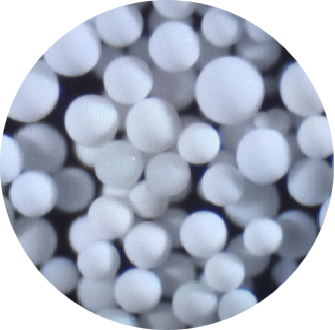
Figure 5. Microscope image of NMOligo solid-phase synthesis carrier
Product Advantages
• High loading capacity
• Excellent batch-to-batch consistency
• Diverse customization options
Table 2. NMOligo solid-phase synthesis carrier specifications
| Property | NMOligo-Unylinker350 | NMOligo-NH₂ |
| Matrix | PS-DVB | PS-DVB |
| Functional Group | Unylinker | Amino |
| Average Particle Size | ~100 μm | ~100 μm |
| Pore Volume | ~0.70 cm³/g | ~0.70 cm³/g |
| Dry Bulk Density | ~0.35 g/mL | ~0.35 g/mL |
| Loading Capacity | ~350 μmol/g | ~300 μmol/g |
| Swelling Volume in ACN | ~4.4 mL/g | ~5.5 mL/g |
| Swelling Volume in Toluene | ~6.0 mL/g | ~7.0 mL/g |
Note: NMOligo can be fully derivatized and loaded onto various specifications as required by customers
Synthesis Case: NMOligo-Unylinker350 synthesis of 20mer DNA
The performance of the solid-phase carrier is the starting point of the synthesis process and significantly impacts the yield and purity of the final product. NanoMicro’s solid-phase synthesis carriers deliver excellent performance. In a comparative test, an imported Brand N solid-phase carrier and NanoMicro’s carrier were used to synthesize short-chain DNA under identical experimental conditions. By comparing the crude product purity and yield of the oligonucleotides, the results demonstrated that NanoMicro’s solid-phase carrier achieves performance comparable to the imported product.
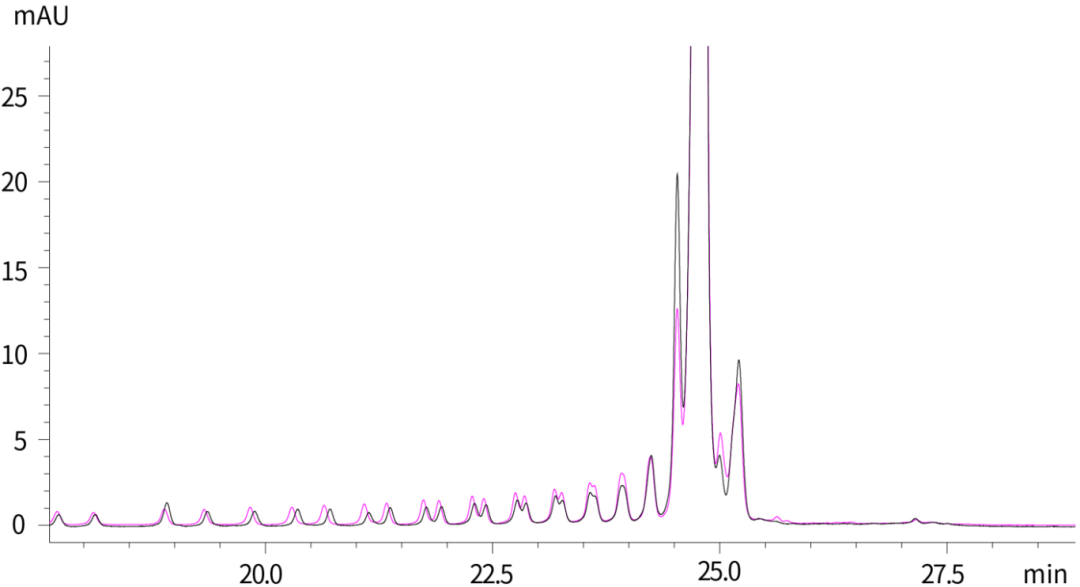
Figure 6. HPLC comparison of 20mer DNA synthesis at laboratory scale using NMOligo-Unylinker350 (purple line) vs. an imported brand (black line)
Table 3. Comparison of 20mer DNA synthesis results at laboratory scale using NMOligo-Unylinker350
| Brand | Loading Capacity (μmol/g) | Sequence | Synthesis Scale (μmol) | Synthesis Purity (%) | Synthesis Yield (%) |
|---|---|---|---|---|---|
| Nanomicro | 357 | DNA 20mer | 200 | 87.7 | 59.2 |
| Competitor A | 354 | DNA 20mer | 200 | 87.1 | 60.8 |
Oligonucleotide Synthesizer
TrueSyntTM Nucleic Acid Synthesis System’s first product, the STS0100 Nucleic Acid Synthesizer, developed by Sepure Instruments, is a laboratory-scale, fully automated phosphoramidite oligonucleotide synthesizer. It utilizes high-precision piston pumps to precisely control reaction speed and contact time. The meticulously designed fluid path significantly reduces monomer and reagent consumption, ensuring low-cost, high-efficiency, and high-quality synthesis results. This system is suitable for synthesizing oligonucleotides including siRNA, miRNA, ASO, and Aptamer, with a synthesis scale ranging from 50 μmol to 9 mmol.
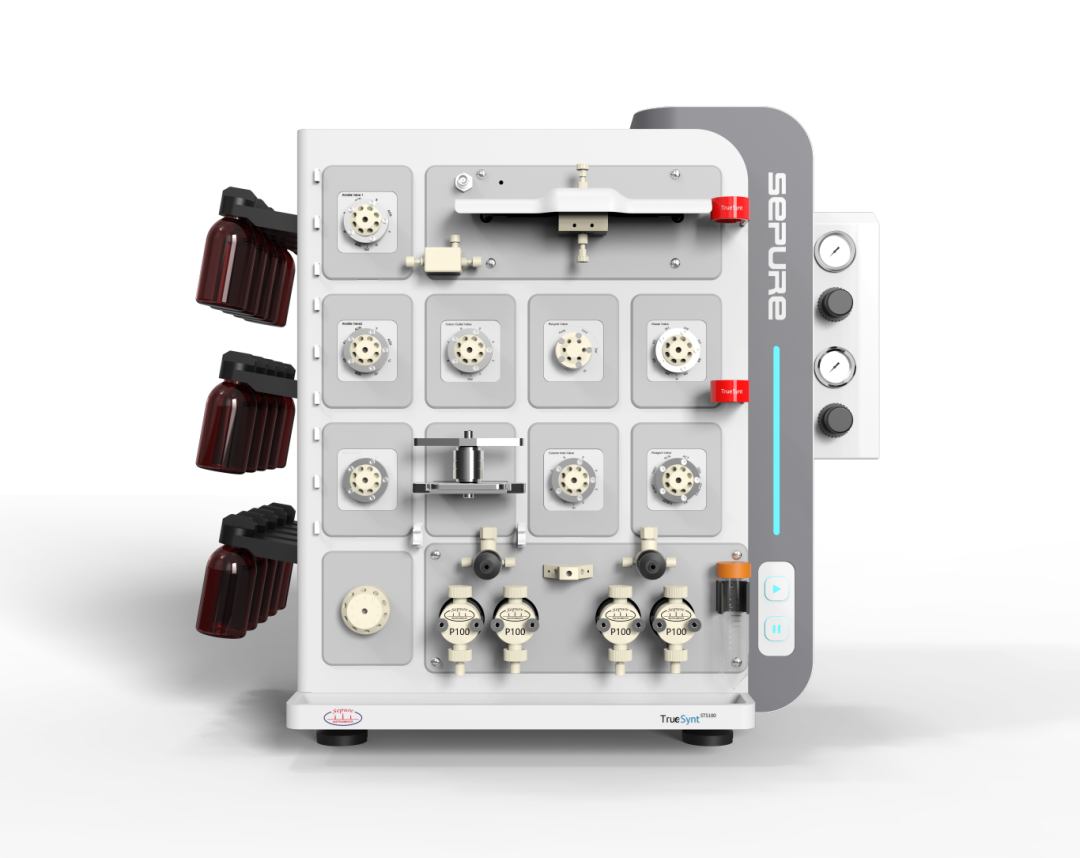
Figure 7. TrueSyntTM Oligonucleotide Synthesizer
Product Features
• Precise control for high synthesis efficiency;
• Compatible with various modified nucleotides to meet diverse application needs such as probes, primers, and siRNA;
• Controllable synthesis scale to meet R&D and production requirements;
• Intelligent software controls the entire synthesis process, reducing manual intervention and contamination risks;
• Precise control of reagent usage to lower synthesis costs;
• Simple and clear synthesis process, easy linear scale-up;
• Professional technical support and after-sales service, with lifetime free software upgrades.
Oligonucleotide Purification Solutions
After solid-phase synthesis, oligonucleotides undergo a series of steps including ammonolysis cleavage to obtain crude oligonucleotide products. Although the coupling efficiency of monomers in solid-phase synthesis is high, impurities such as N-X and N+X oligomers, side products from modification reactions, and incomplete oxidation/deprotection/capping products are also generated. These impurities can seriously affect drug quality and must be removed through chromatographic separation and purification techniques. Therefore, selecting the appropriate resin and purification process after solid-phase synthesis is critical for product quality and production. Currently, the mainstream purification methods are anion-exchange chromatography, reversed-phase chromatography, and hydrophobic interaction chromatography. Depending on the purification process, one or two of these methods may be selected.
Anion-exchange chromatography can bind negatively charged oligonucleotides. Typically, a certain salt concentration is first used to remove impurities without DMT protection. Then, on-column acid cleavage is performed to remove the trityl group (detritylation). Finally, different salt concentrations are used to separate and purify the target oligonucleotide. Generally, oligonucleotides include a 5’-DMT protecting group. DMT is a strongly hydrophobic group that interacts with reversed-phase/hydrophobic interaction chromatography, enabling the separation of full-length sequences with DMT.
Oligonucleotide Purification Resins
Leveraging years of expertise in microsphere development and downstream biopharmaceutical purification, NanoMicro offers oligonucleotide purification solutions: anion-exchange chromatography is typically the first choice. For challenging cases, DMT can be retained for separation via reversed-phase or hydrophobic interaction chromatography. Our preferred resins include NanoQ-30L, NanoQ-15L, UniPS 10-300, UniPS 30-300, UniSil 30-120 C18, and UniSil 10-120 C18.
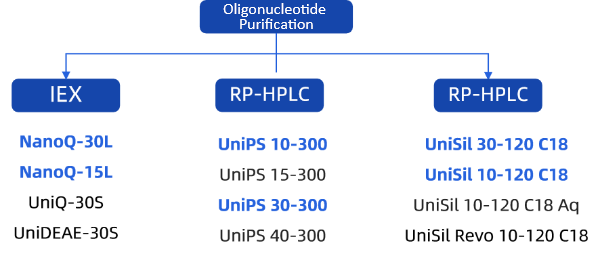
Table 4. Oligonucleotide purification resins
| Resin Type | Resin Name | Matrix | Particle Size (μm) | Pore Size (Å) | pH Range |
|---|---|---|---|---|---|
| Ion Exchange | NanoQ-30L | PS-DVB | 30 | 1000 | 2–12 |
| NanoQ-15L | PS-DVB | 15 | 1000 | 2–12 | |
| UniQ-30S | PMMA | 36 | 500 | 2–12 | |
| UniQ-50XS | PMMA | 55 | 300 | 2–12 | |
| UniDEAE-30S | PMMA | 36 | 500 | 2–12 | |
| UniDEAE-50XS | PMMA | 55 | 300 | 2–12 | |
| UniGel-30Q | PMMA | 30 | 1000 | 2–12 | |
| Reversed-Phase Polymer | UniPS 10-300 | PS-DVB | 10 | 300 | 1–14 |
| UniPS 15-300 | PS-DVB | 15 | 300 | 1–14 | |
| UniPS 30-300 | PS-DVB | 30 | 300 | 1–14 | |
| UniPS 40-300 | PS-DVB | 40 | 300 | 1–14 | |
| Reversed-Phase Silica | UniSil 10-120 C18 | Silica | 10 | 120 | 2–8 |
| UniSil 10-120 C18 Aq | Silica | 10 | 120 | 2–8 | |
| UniSil Revo 10-120 C18 | Silica | 10 | 120 | 2–9 | |
| UniSil 30-120 C18 | Silica | 30 | 120 | 2–8 |
Purification Case 1:Purification of oligonucleotides by NanoQ-15L ion-exchange chromatography
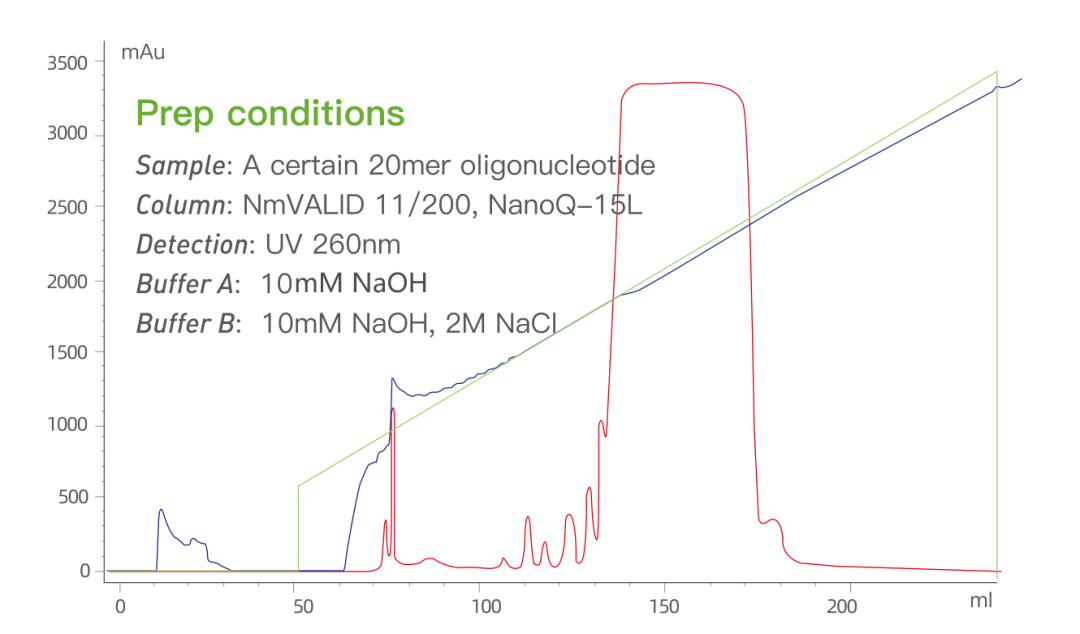
Figure 8. Purification of 20mer oligonucleotide using NanoQ-15L
Purification Results
In the purification of a 20mer oligonucleotide, NanoMicro’s NanoQ-15L was used for preparative-scale purification. HPLC analysis of the crude product showed a main peak purity of only 82.49%, with major impurities being N-1 short chains (12.7%) and residual DMT protecting groups (4.8%). After optimized linear gradient elution, the main peak purity was significantly improved to 97.45%, with critical impurities controlled to: N-1 <1.5% and DMT <0.3%. The process yield was approximately 80% (quantified by A260), meeting the cGMP requirement of >70%.
Purification Case 2:Purification of oligonucleotides by UniPS 10-300 polymer reversed-phase chromatography
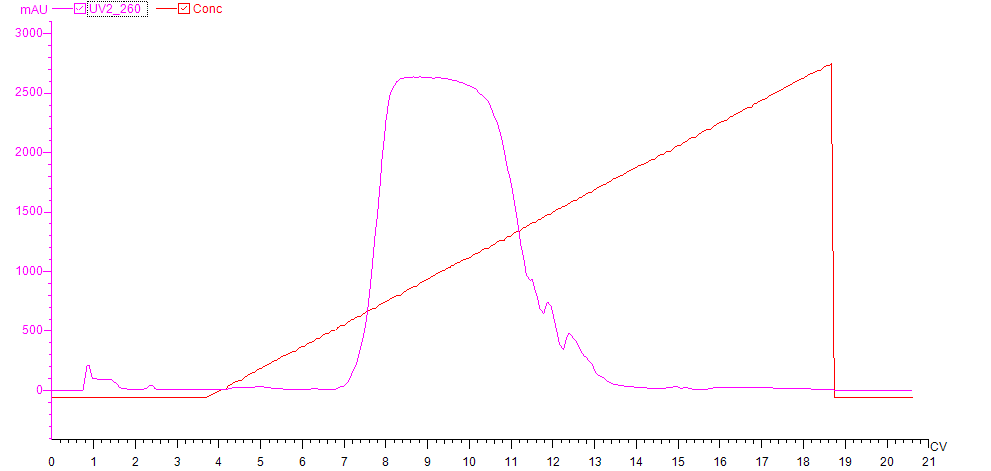
Figure 9. Purification of oligonucleotides using UniPS 10-300
Purification Results
The results showed that in the purification of a 25-base oligonucleotide, a single-step purification using NanoMicro’s UniPS 10-300 reversed-phase chromatography increased the purity from 82.5% to 98.9%, meeting quality requirements.
Purification Case 3:Purification of oligonucleotides by UniSil 10-120 C18 silica reversed-phase chromatography
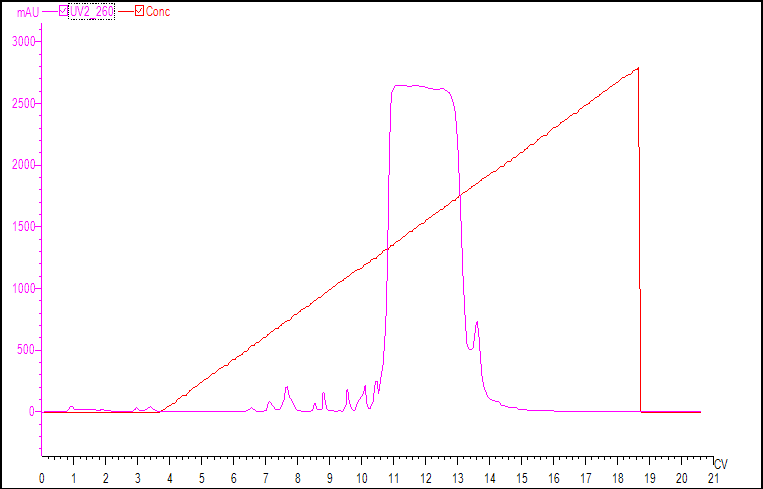
Figure 10. Purification of oligonucleotides using UniSil 10-120 C18
Purification Results
The results showed that UniSil 10-120 C18 purified oligonucleotides in a single step, increasing the final purity from 82.0% to over 96%, with a yield of 75%, meeting quality requirements.
Oligonucleotide Analytical Columns
NanoChrom, a subsidiary of NanoMicro, has developed the DNACoreTM oligonucleotide analytical columns, based on monodisperse silica and polymer microspheres, combined with advanced surface bonding, modification, and grafting technologies, and optimized packing processes. This series includes the DNACore 1000 C18 reversed-phase column and the DNACore NP-Q anion-exchange column, suitable for the efficient separation of DNA/RNA fragments, mRNA, and plasmids in reversed-phase and anion-exchange modes, respectively.
Table 5. DNACoreTM series oligonucleotide analytical column specifications
| Product Name | DNACore 1000 C18 | DNACore NP-Q |
|---|---|---|
| Matrix | Monodispersed, porous silica microspheres | Monodispersed, non-porous PS/DVB microspheres |
| Functional Group | Octadecyl (C18) | Quaternary ammonium |
| Particle Size | 5 μm | 5 μm |
| Pore Size | 1000 Å | Non-porous |
| Maximum Pressure | 5000 psi | 5000 psi |
| Maximum Temperature | 60 °C | 80 °C |
| pH Range | 2–11 | 2–12 |
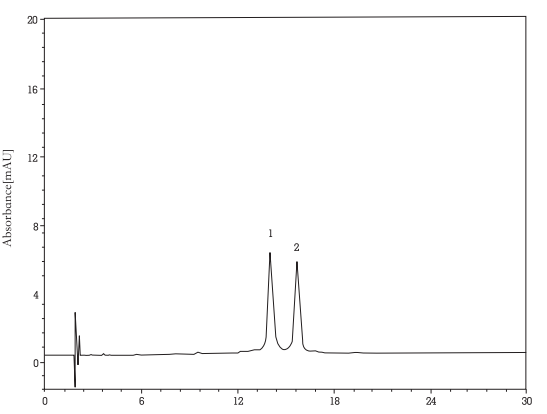
Figure 11. Analysis of short-chain oligonucleotides using DNACore 1000 C18 analytical column

Figure 12. Analysis of oligonucleotides using DNACore NP-Q analytical column
OligonucleotidePurification Systems
Sepure Instruments, a subsidiary of NanoMicro, has developed chromatography purification systems to address downstream separation and purification needs in the pharmaceutical industry. These systems enable rapid purification of biological samples, meeting customer requirements for laboratory R&D and pilot-scale production.
The SCG-P protein chromatography system is a high-end integrated system with powerful functionality and excellent performance. The integrated sample pump and sample valve design meets customers’ strong needs for sample pump and overall flow path expansion. The compact and ingenious layout minimizes the delay volume of the entire flow path. More powerful external valve space supports future hardware upgrades. The chromatography workstation provides intuitive and flexible method editing, system control, and data analysis, with lifetime free software upgrades. It is compatible with imported or domestic chromatography columns and can be placed in a chromatography cold cabinet.
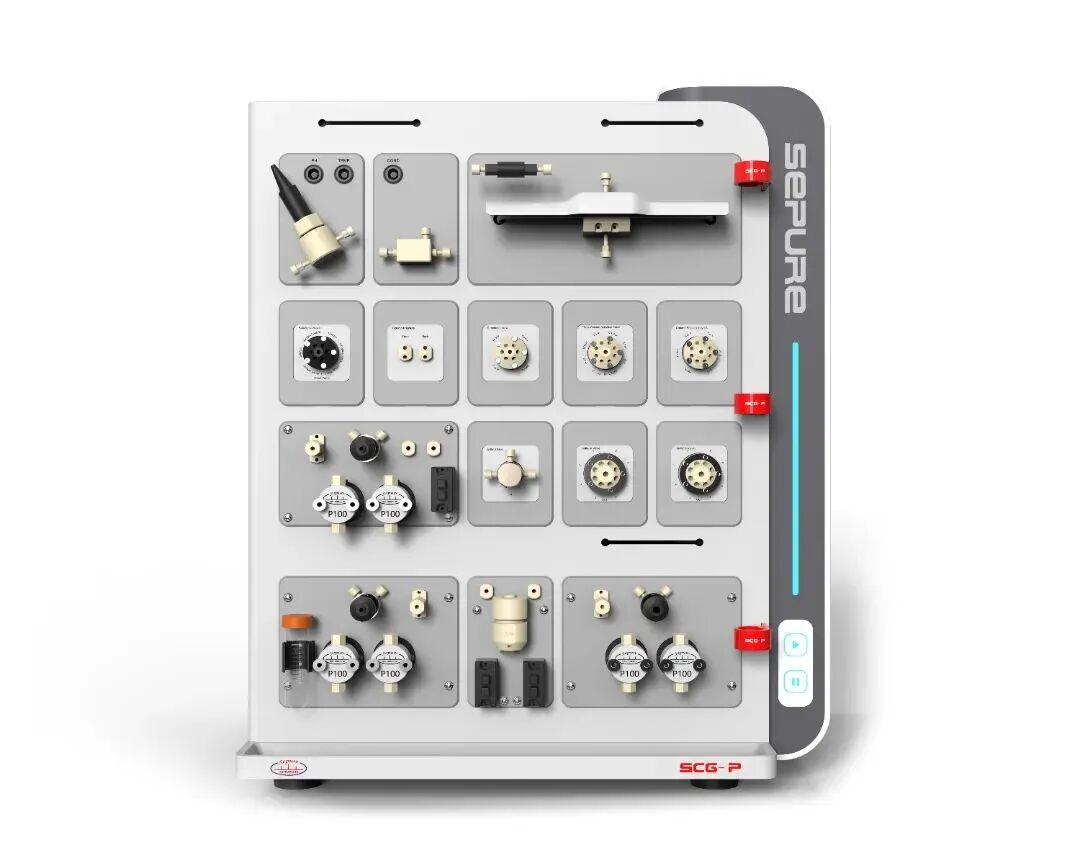
Figure 13. SCG-P protein chromatography system, high-integration series
Product Features
• Meets customers’ strong needs for sample pump and overall flow path expansion;
• Integrated control panel with additional start and pause shortcut buttons, combining technology and intelligence;
• Flexible configuration to easily meet purification needs from milligram to gram scale or higher;
• Fully integrated DOE functionality to obtain optimal process conditions and results with minimal experimental investment.
OligonucleotideAnalytical Systems
Fuli Analytical Instruments, a subsidiary of NanoMicro, offers the L75 liquid chromatography all-rounder family. As a benchmark product for domestic high-end LC technology, it redefines the versatility and flexibility of analytical instruments with modular and innovative design. It covers a wide range of needs from routine analysis to UHPLC separation, and is well-suited for precise oligonucleotide analysis. The fully domestic supply chain reduces user operation and maintenance costs, making it the preferred domestic alternative for the entire lifecycle from laboratory R&D to GMP production.
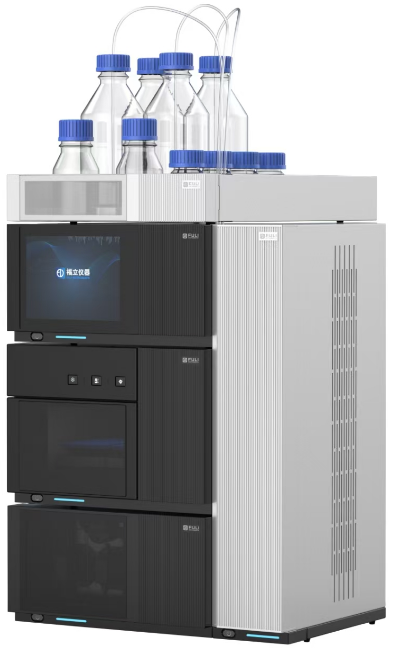
Figure 14. L75 liquid chromatography all-rounder family
Product Features
• Wide application range: independent screw-driven dual-plunger pump covering fully porous and core-shell applications from 5 μm to sub-2 μm;
• Sample tray temperature control: supports 2 mL sample trays and 96-well plates to ensure stability of biological samples during injection;
• Simplified manual processes: fully automatic one-key purge, simplifying tedious manual operations and enabling unattended remote control;
• Intelligent solvent management: real-time monitoring of mobile phase levels with low-level alarms;
• Human-machine interaction design: large touchscreen synchronized with chromatography workstation for remote exchange;
• Compliant workstation: database architecture supporting standalone/network deployment, meeting FDA 21 CFR Part 11 and SDA GXP compliance requirements.
Summary
For oligonucleotide production, the most critical factors are synthesis and post-synthesis purification. NanoMicro offers excellent products and solutions in both areas. For oligonucleotide synthesis, NanoMicro provides oligonucleotide synthesizers and solid-phase synthesis carriers. For purification, NanoMicro offers complete process solutions and equipment support, including purification resins, chromatography systems, analytical columns, analytical systems, and purification process development services, to meet the needs of oligonucleotide drug development through commercial production.