




【Case Analysis】What to Do When Bispecific Antibody Aggregates Exceed Limits? Three Key Purification Technologies to Help You Overcome the Challenge
In the biopharmaceutical field, bispecific antibodies (BsAbs) are like a rising star, capturing the attention of researchers and companies alike. By simultaneously binding two different antigens or epitopes, they offer unique therapeutic advantages—such as precise tumor cell targeting and reduced side effects—making them a major focus of current R&D.
However, the structure of a bispecific antibody is like a complex puzzle, composed of four different polypeptide chains. During production, achieving synchronized expression of these four chains is extremely challenging, which can lead to various "troublesome" impurities such as mispaired products, fragments, and aggregates. Among these, aggregates are the most common "troublemakers"—they not only reduce the purity and biological activity of the BsAb but may also impact its clinical efficacy and even pose potential risks to patient safety. Therefore, efficiently removing aggregates has become a critical challenge in BsAb purification processes.
BsAb purification is like a carefully designed "level-based game," requiring multiple critical steps (Figure 1), each with its unique role in safeguarding product quality. Moreover, BsAbs with different structures are like "players" with different characteristics, requiring customized purification strategies to ensure quality while improving yield—delivering a final product that is both safe and effective.
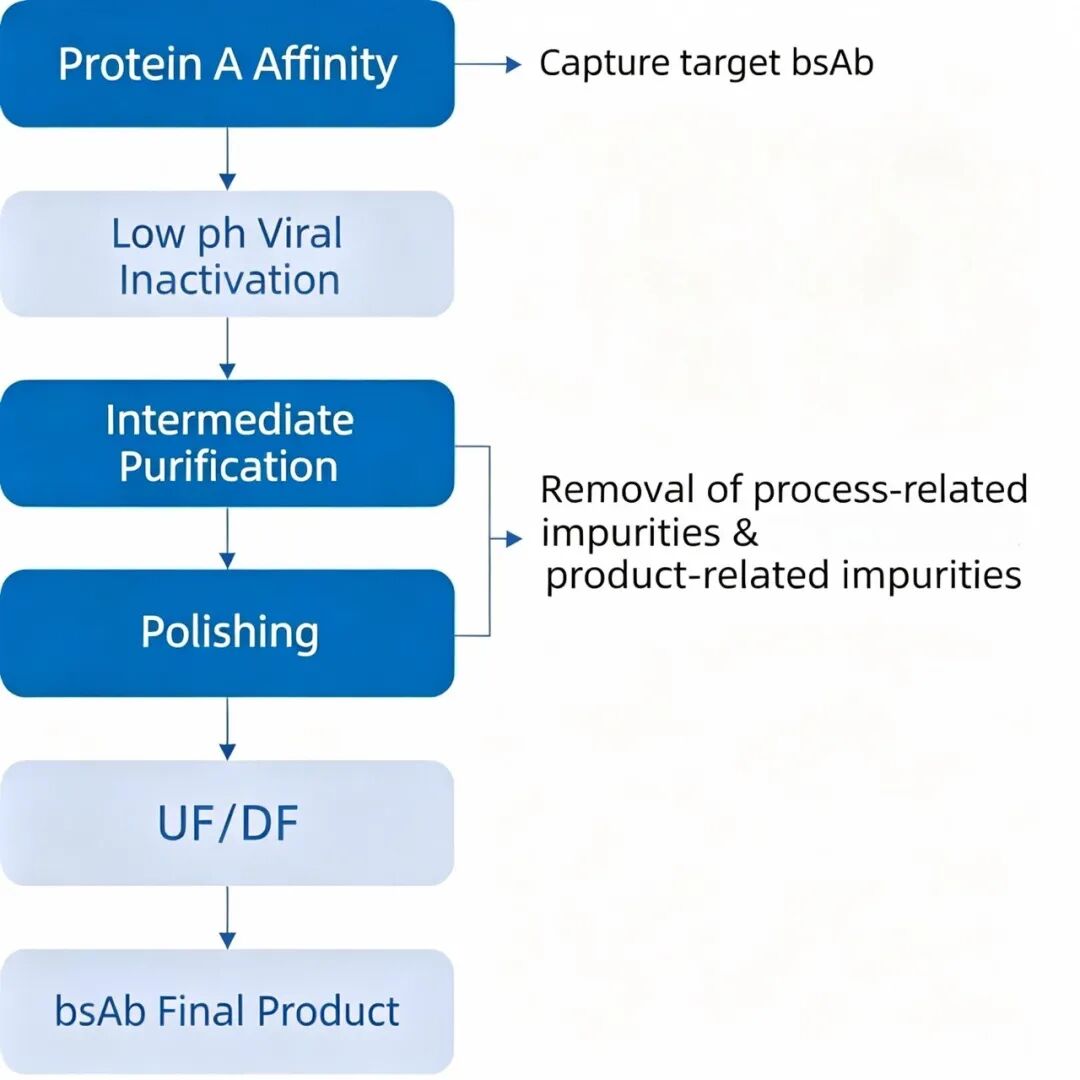
Figure 1. Downstream purification process for bsAbs
Protein A affinity chromatography: the "precision hunter" that captures antibodies with dual specificity
In traditional monoclonal antibody purification, Protein A chromatography resins are the go-to "trusted assistant," but they can be somewhat "overwhelmed" when it comes to bispecific antibodies. This is because BsAbs typically have more antigen-binding sites, making their structure more complex and their size larger. Traditional agarose-based Protein A resins have relatively small pore sizes—like narrow channels—making it difficult for BsAb molecules to "enter" and bind to the ligands, resulting in low binding capacity and compromised purification efficiency.
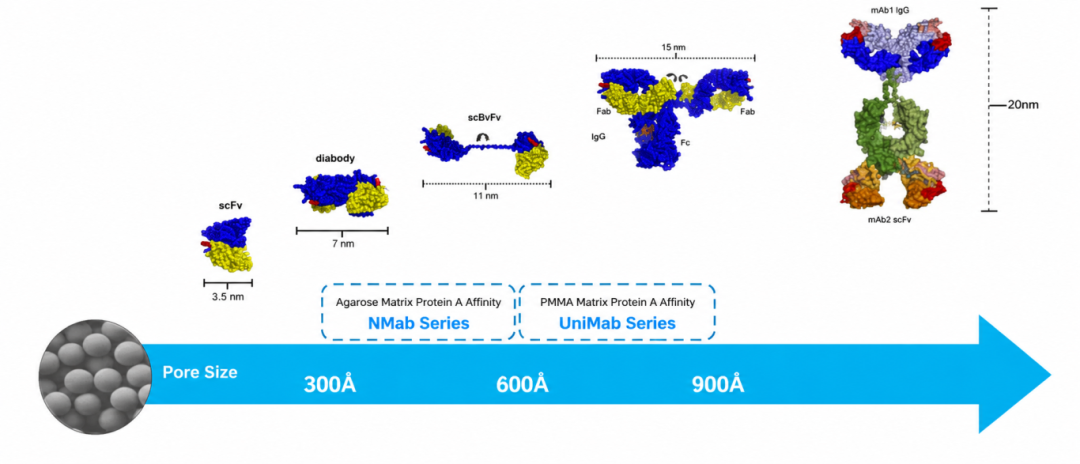
Figure2. Comparison of hydrodynamic radius of different antibody types and resin pore sizes
NanoMicro not only offers the well-established NMab series of agarose-based Protein A resins, widely used for routine mAb and BsAb purification thanks to their excellent high binding capacity, but has also leveraged its years of deep expertise in microsphere preparation and downstream purification to develop the UniMab series with ultra-large pores. The open large-pore design allows complex-structured BsAbs to easily access the resin interior and fully interact with the ligands, significantly enhancing binding capacity and purification efficiency. As clearly shown in the comparative data in Figure 3, UniMab 50HC demonstrates significantly higher binding capacity for different types of BsAbs compared to a leading imported product.
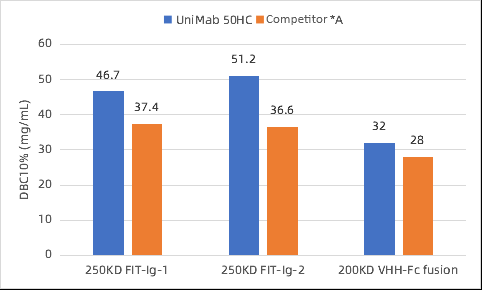
Figure 3. Comparison of binding capacity of different affinity resins for different types of BsAbs
Case 1. Affinity purification of a BsAb using UniMab 50HC
In practical applications, aggregates and fragments containing Fc regions tend to "stick" to Protein A resins and cannot be directly removed by flow-through during the loading step. However, by leveraging their differential binding affinity to UniMab 50HC, we can optimize intermediate wash conditions and pH isocratic elution steps. Using UniMab 50HC for affinity purification of a BsAb as an example (Figure 4): first, at pH 5.5, half-antibodies and fragments are "washed away"; then, at pH 5.0, the target bsAb monomer is collected; remaining aggregates and fragments stay bound to the column and are finally "eluted" with pH 4.5 buffer, ultimately yielding highly pure bsAb.
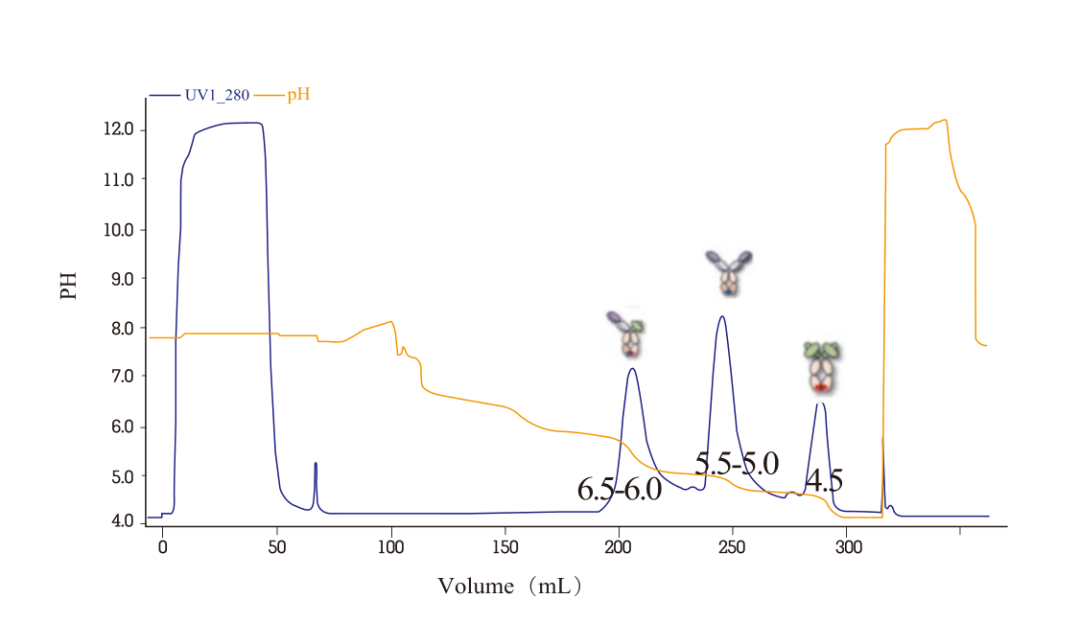
Figure4. Affinity purification of a BsAb using UniMab 50HC
Ion exchange chromatography: the "sorting expert" that separates molecules based on charge differences
Ion-exchange chromatography resins act like a "charge sorter," leveraging the isoelectric point differences between bsAb and aggregates to effectively remove BsAb aggregates. Due to differences in surface charge distribution or density between bsAb and aggregates, separation is achieved through electrostatic interactions with cation or anion exchange resins. By optimizing buffer pH, salt gradients, and loading conditions, BsAb purity can be efficiently enhanced.
Different types of BsAb molecules exhibit significant differences in physicochemical properties, such as molecular size and charge distribution. To precisely address these differentiated needs, NanoMicro has leveraged its advanced microsphere R&D platform to develop three series of ion-exchange resins: NanoGel series, UniGel series, and NW Rose Plus series, tailored to different BsAb purification requirements.
• NanoGel series:Featuring monodisperse PS/DVB matrices, high resolution, and large pores (1500–2500 Å) specifically designed for very large molecules. Key products include NanoGel-50SP HP and NanoGel-50Q HC.
• UniGel series:Based on monodisperse PMMA matrices, offering high binding capacity and large pores (1000 Å) suitable for large molecules. Key products include UniGel-80Q/80SP and UniGel-65SP HC/65Q HC.
• NW Rose Plus series:Based on highly cross-linked agarose matrices, offering high binding capacity, excellent hydrophilicity, and low non-specific adsorption. Key products include NW Rose Plus SP HP and NW Rose Plus Q HP.
Case 2. Cation-exchange purification of a BsAb using NanoGel-50SP HP
In a BsAb project with high aggregate impurity levels, NanoGel-50SP HP resin was selected after multiple rounds of screening to optimize the process. Leveraging its highly selective matrix and macroporous structure, it precisely separates product-related impurities based on differences in molecular charge characteristics and steric hindrance. By optimizing the chromatography buffer pH and elution conditions, BsAb aggregates were effectively removed (Figure 5).
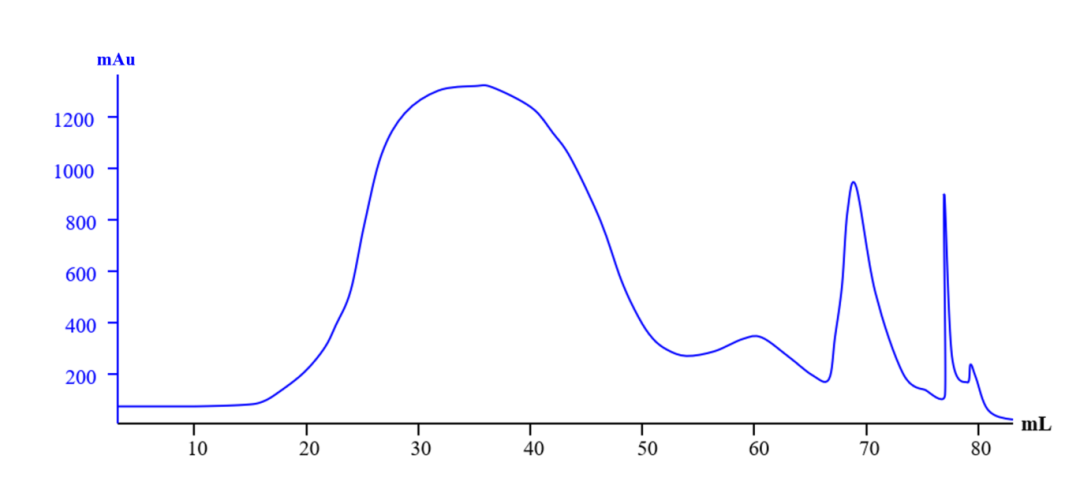
Figure 5. Cation-exchange purification of a BsAb using NanoGel-50SP HP
Mixed-mode chromatography: the "ultimate purifier" that combines multiple mechanisms for synergistic effect
The structural complexity of bsAbs makes them prone to aggregate impurities during production, and traditional ion-exchange chromatography, with its single separation mechanism, often struggles to efficiently remove such impurities [2].
In this context, multimodal chromatography, with its synergistic multi-mechanism advantages, has emerged as a key solution for optimizing bsAbs purification processes.
Multimodal chromatography acts like a "super alliance," integrating multiple separation mechanisms—ion exchange, hydrophobic interaction, and metal chelation—to significantly enhance resolution of structurally similar molecules. NanoMicro recommends two main types of multimodal resins for bsAbs purification:
• NW Rose Plus HCM/NW Rose Plus HCM HP:Combining cation exchange and hydrophobic interaction.
• HAPcera Type I/HAPcera Type II:Integrating metal chelate affinity and cation exchange.
Case 3. Purification of a BsAb using hydroxyapatite HAPcera Type II
Taking hydroxyapatite HAPcera Type II as an example, its surface features Ca²⁺ (C sites, metal affinity binding sites) and PO₄³⁻ (P sites, cation binding sites), enabling binding to antibody molecules through multiple interactions including electrostatic and metal affinity.
NanoMicroHAPcera Type II As a hydroxyapatite multimodal chromatography resin with ultra-large pores, it precisely removes impurities such as BsAb aggregates and fragments. In a BsAb project, a single purification step increased purity from 98.2% to 99.7%, demonstrating significant dimer removal with a yield of approximately 75% (Figure 6).
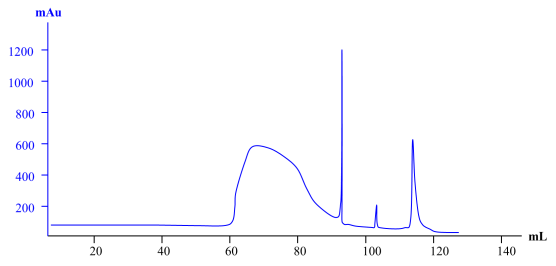
Figure 6. Purification of a BsAb using HAPcera Type II
Summary: Three key technologies combine to create the "golden combination" for bispecific antibody purification
In the "battle" against BsAb aggregate control, Protein A affinity chromatography, ion-exchange chromatography, and multimodal chromatography form the "golden team":
• Protein A affinity chromatography:Acts as the "advance force," capturing BsAbs through specific binding to the antibody Fc region while initially retaining aggregates.
• Ion-exchange chromatography:Functions as the "precision unit," finely separating aggregates based on charge differences by adjusting process parameters.
• Multimodal chromatography:Serves as the "final unit," integrating multiple mechanisms to remove residual aggregates.
Through a 2-step or 3-step purification "combination," aggregate levels can be significantly reduced, safeguarding the quality of BsAb drugs. Below are our recommended resins for aggregate removal and their key features, offering a rich selection for different BsAb purification needs.
Recommended Resins for BsAb Aggregate Removal
| Separation Mode | Product | Features |
| Protein A Affinity | NMab Titan | Agarose matrix, high binding capacity, suitable for bispecific antibodies < 200 kDa |
| UniMab 50HC | Monodisperse PMMA media, suitable for bispecific antibodies > 200 kDa | |
| Ion Exchange Chromatography | NanoGel-50SP HP | Monodisperse PS/DVB matrix, high resolution, salt-tolerant |
| NanoGel-50Q HC | Monodisperse PS/DVB matrix, high resolution, salt-tolerant | |
| UniGel-65SP HC | Monodisperse PMMA matrix, high binding capacity | |
| UniGel-65Q HC | Monodisperse PMMA matrix, high binding capacity | |
| NW Rose Plus SP HP | Highly cross-linked agarose matrix, high resolution, high binding capacity | |
| NW Rose Plus Q HP | Highly cross-linked agarose matrix, high resolution, high binding capacity | |
| Multimodal Chromatography | NW Rose Plus HCM HP | Highly cross-linked agarose matrix, high resolution, salt-tolerant |
| HAPcera Type I | Hydroxyapatite matrix, suitable for complex bispecific antibody designs | |
| HAPcera Type II | Hydroxyapatite matrix, suitable for complex bispecific antibody designs |
As biopharmaceutical technology continues to advance, BsAb purification processes are also undergoing continuous innovation and optimization. With the support of these advanced technologies and products, we believe BsAb drugs will play an increasingly important role in treating a wider range of diseases, bringing hope to more patients.
Stay tuned for more exciting content in our next issue!
References:
[1] Y. Li, IgG-like bispecific antibody platforms with built-in purification-facilitating elements, Protein Expr. Purif. 188 (2021) 105955
[2] S.W. Chen, W. Zhang, Current trends and challenges in the downstream purification of bispecific antibodies, Antibody Therapeut. 4 (2)
(2021) 73–88



Related Products
-

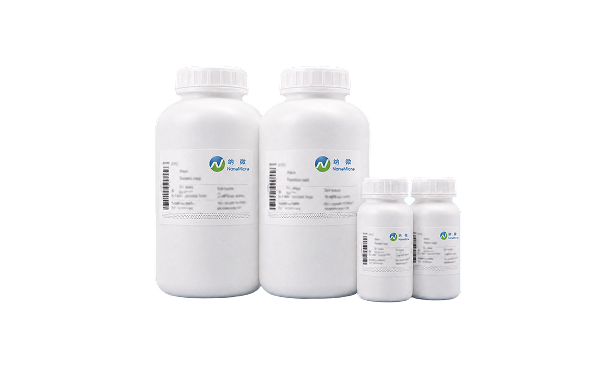
 NMab Titan Protein A Affinity Chromatography Resin
NMab Titan is a third-generation, high-performance, alkali-resistant recombinant Protein A affinity chromatography resin manufactured by NanoMicro using proprietary patented technology. This resin is based on highly cross-linked agarose microspheres, modified with proprietary surface chemistry and coupled with Protein A ligand via epoxy bonding. It
Affinity Resins -
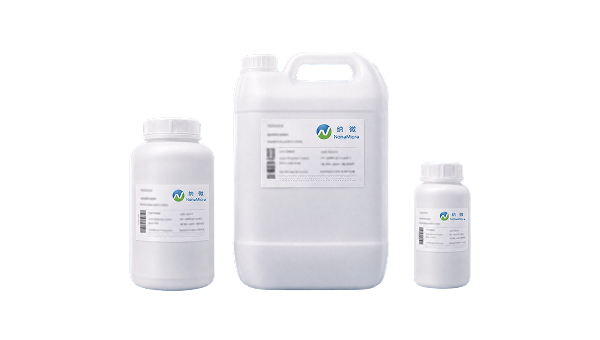 UniMab 50HC Protein A Affinity Chromatography Resin
UniMab 50 HC is a high-performance, alkali-resistant recombinant Protein A affinity chromatography resin manufactured by NanoMicro using proprietary patented technology. The resin is based on monodisperse porous polymethyl methacrylate (PMMA) microspheres, with Protein A coupled via epoxy chemistry using proprietary surface modification technology.
Affinity Resins