




【Case Analysis】Decoding the Stealth of Bispecific Antibody Fragment Impurities
Bispecific antibodies (BsAbs) demonstrate significant therapeutic potential in tumor immunotherapy and other fields due to their ability to simultaneously target two different epitopes. However, their complex heterodimeric structure can generate multiple fragment impurities during production, including homodimers, half-antibodies (monovalent antibodies), low-molecular-weight degradation fragments, and high-molecular-weight aggregates. These impurities can significantly impact the biological activity, stability, safety, and efficacy of the drug, and may even pose immunogenicity risks. Therefore, developing efficient and specific purification processes to remove fragment impurities is a core step in the successful development and commercialization of bispecific antibody drugs.
Because bispecific antibodies (BsAbs) require the assembly of two different heavy chains (HC) and two different light chains (LC), factors during production (such as disulfide bond reduction and shear stress) can lead to mispairing or incomplete assembly, generating three typical classes of impurities:
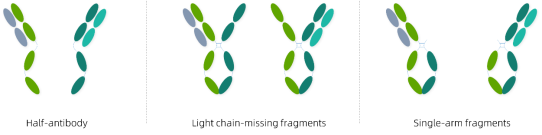
Figure 1. Schematic of bsAb product-related impurities [1]
Purification Strategies for bsAb Fragment Impurities
For the major impurity types mentioned above, a multi-step chromatographic separation strategy based on differences in physicochemical properties is required:
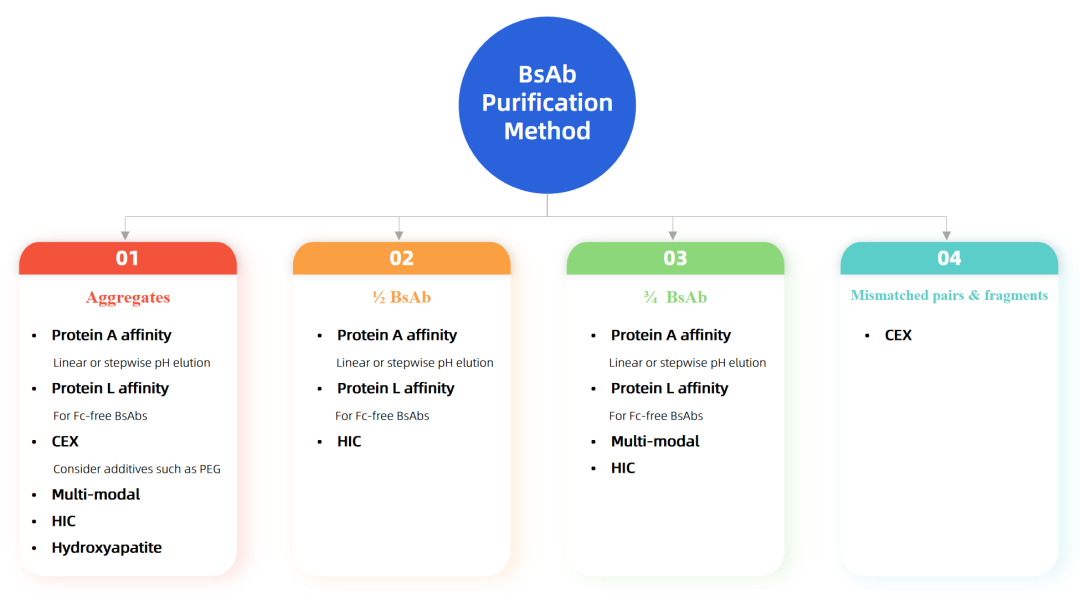
Figure 2. Bispecific antibody purification strategy
Protein A affinity chromatography
As described in the previous article on aggregate removal, aggregates and fragments contain the Fc domain and can bind specifically to Protein A, with binding-elution characteristics similar to the target bispecific antibody. Given that different molecules exhibit varying binding affinities to Protein A, weakly binding fragments can be selectively removed by optimizing the elution pH conditions [2]. Using UniMab 50HC affinity chromatography to purify a bispecific antibody as an example (Figure 3): at pH 5.5, half-antibodies and fragments are eluted; at pH 5.0 and pH 4.5, the intact bispecific antibody and bispecific antibody aggregates are eluted, respectively.
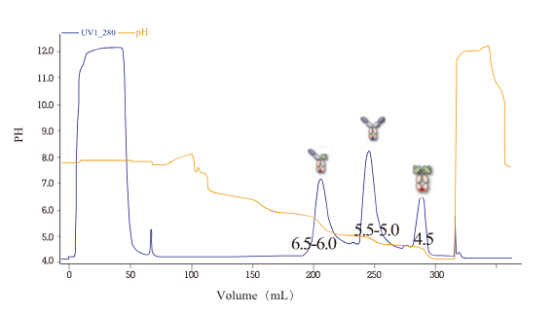
Figure3. Purification of a bispecific antibody using UniMab 50HC affinity chromatography
Protein L affinity chromatography
Protein L affinity chromatography media can specifically bind to the light chain region of bsAbs. Notably, some bispecific antibody fragments exhibit significantly higher affinity for Protein L than the intact bsAb. By increasing the pH of the elution buffer, the elution ratio of low-molecular-weight impurities can be effectively reduced. Using NMab Prot L affinity chromatography media with stepwise pH elution enables efficient separation of the target bispecific antibody — the intact bsAb is selectively eluted under specific pH conditions, while low-molecular-weight bispecific antibody fragments remain bound to the media due to stronger binding. Finally, residual impurities are thoroughly removed through a cleaning-in-place (CIP) procedure, ensuring product purity with a yield of 80.3% (Figure 4).
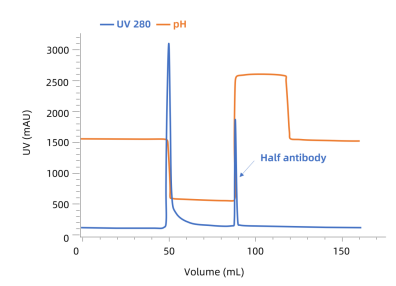
Figure4. Removal of half-antibodies and other fragment impurities using NMab ProtL affinity chromatography
IEC
For the challenging removal of bispecific antibody fragments, UniGel-30CM weak cation exchange chromatography can be employed. By modulating pH and salt concentration gradients, fragments with weaker charges are eluted first. Adding a certain concentration of PEG or CaCl₂ can enhance resolution, achieving bispecific antibody monomer purity of 99% and yield above 80% (Figure 5).
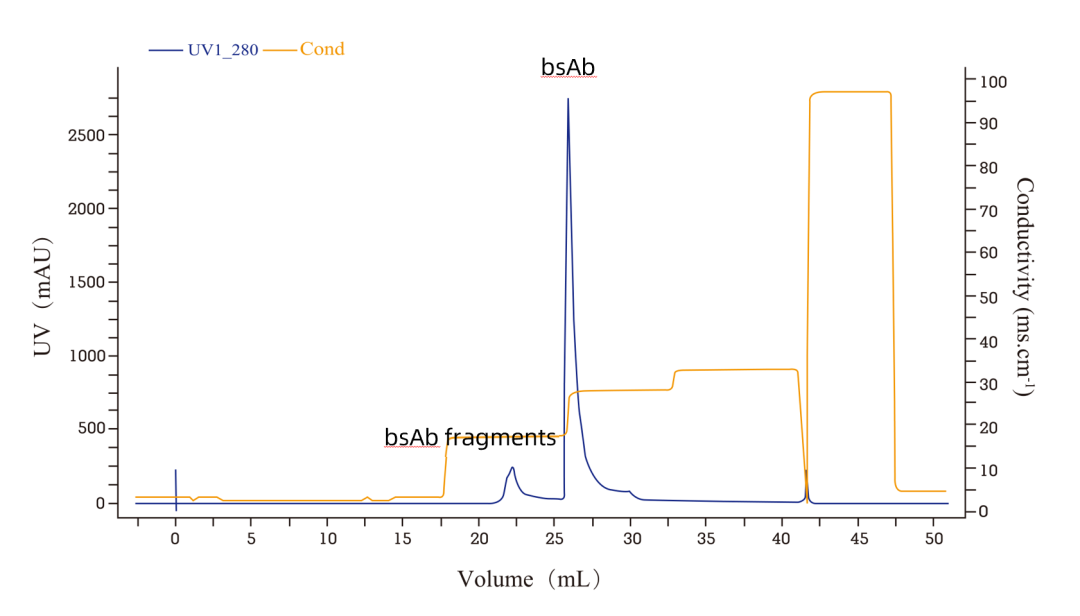
Figure5. Purification of bispecific antibodies using UniGel-30CM cation exchange chromatography
HIC
Hydrophobic interaction chromatography is widely used for the removal of antibody fragments. Generally, compared to structurally intact, tightly folded BsAbs, fragment impurities lack complete pairing structures (e.g., missing a light or heavy chain), exposing hydrophobic regions that are normally buried within the molecule, resulting in stronger binding to the hydrophobic chromatography media. Using UniHR Phenyl-30L with stepwise salt elution, most fragment impurities can be effectively removed, increasing purity to 99.74% (Figure 6).
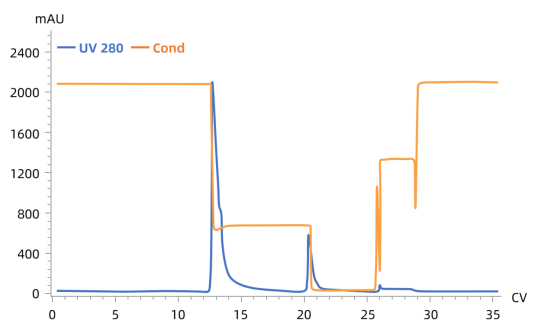
Figure6. Purification of a bispecific antibody using UniHR Phenyl-30L hydrophobic interaction chromatography
MULTI-MODE
In addition to traditional ion exchange and hydrophobic chromatography, multimodal chromatography can integrate multiple interaction forces for the synergistic separation of bispecific antibody fragments.
NW Rose Plus HCM HP is a multimodal media combining weak cation exchange and hydrophobic interactions. By optimizing the salt concentration gradient, this media enables high-resolution separation based on differences in hydrophobicity and charge between bispecific antibody fragments and the intact molecule, effectively removing target fragment impurities (Figure 7).
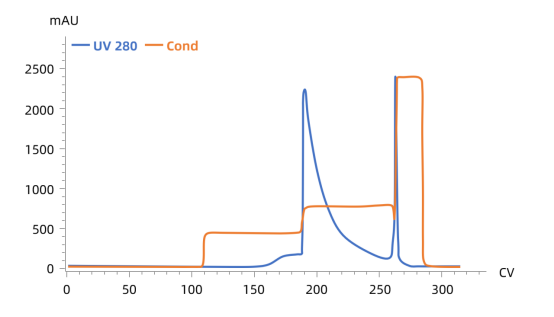
Figure7. Purification of a bispecific antibody using NW Rose Plus HCM HP multimodal chromatography
Summary
Efficient removal of bispecific antibody fragments is a critical challenge in ensuring drug quality. By deeply understanding the mechanisms of fragment impurity formation and targeting their specific characteristics — such as affinity differences, charge anomalies, and exposed hydrophobic regions — a multi-mechanism synergistic polishing strategy can be developed to effectively reduce bispecific antibody fragment levels. Below are our recommended resins for bispecific antibody fragment removal.
Recommended Resins
| Separation Mode | Product | Catalog # |
| Protein A Affinity | NMab Titan | 17013-080100 |
| UniMab 50HC | 17010-250100 | |
| Protein L Affinity | NMab ProtL | 17050-070100 |
| Ion Exchange Chromatography | NanoGel-50Q HC | 04064-050150 |
| UniGel-65SP HC | 04082-165100 | |
| UniGel-30CM | 04081-030100 | |
| Hydrophobic Interaction | UniHR Butyl-30L | 06132-030100 |
| UniHR Phenyl-30L | 06131-030100 | |
| Multi-Mode | NW Rose Plus HCM HP | 60053-371600 |
References :
[1] Q. Li, H. Zhao, X. Liang, Q. He, Z. Wang, G. Qin, G. Li, D. Xu, The downstream purification of bispecific antibodies, Analytical Biochemistry 696 (2025) 115692
[2] Y. Wen, Y. Ye, Z. Wang, J. Xu, Z. Meng, W. Luo, Y. Zhao, Y. Fang, Removal of antibody-related fragments during asymmetric bispecific antibody purification, Asian Journal of Complementary and Alternative Medicine 13 (2025) 1-15



Related Products
-

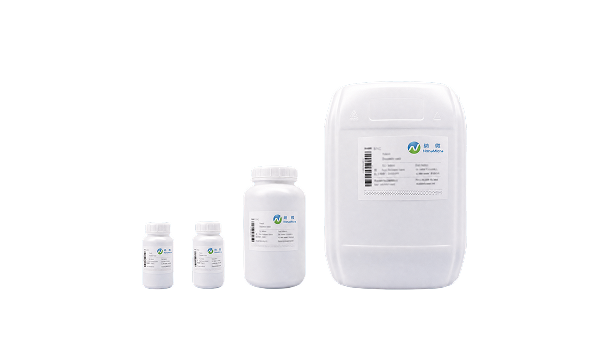
 NW Rose Plus HCM HP Multimodal Chromatography Media
NW Rose Plus HCM HP is a weak cation-exchange, hydrophobic multimodal chromatography resin. Built on a highly cross-linked, high-rigidity agarose microsphere matrix, this series achieves better pore size control and enhanced rigidity through optimized agarose concentration, cross-linking chemistry, and cross-linking cycles, significantly improving
Multimodal Resins -
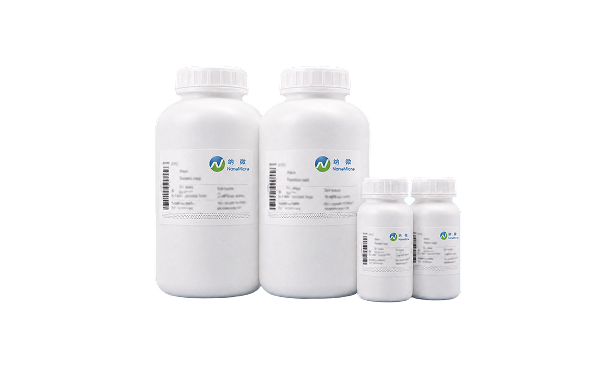 NMab Titan Protein A Affinity Chromatography Resin
NMab Titan is a third-generation, high-performance, alkali-resistant recombinant Protein A affinity chromatography resin manufactured by NanoMicro using proprietary patented technology. This resin is based on highly cross-linked agarose microspheres, modified with proprietary surface chemistry and coupled with Protein A ligand via epoxy bonding. It
Affinity Resins -
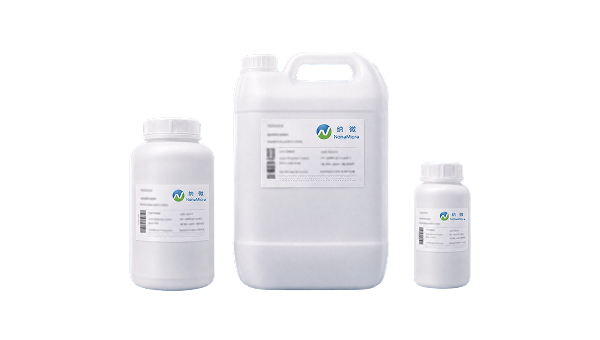 UniMab 50HC Protein A Affinity Chromatography Resin
UniMab 50 HC is a high-performance, alkali-resistant recombinant Protein A affinity chromatography resin manufactured by NanoMicro using proprietary patented technology. The resin is based on monodisperse porous polymethyl methacrylate (PMMA) microspheres, with Protein A coupled via epoxy chemistry using proprietary surface modification technology.
Affinity Resins -
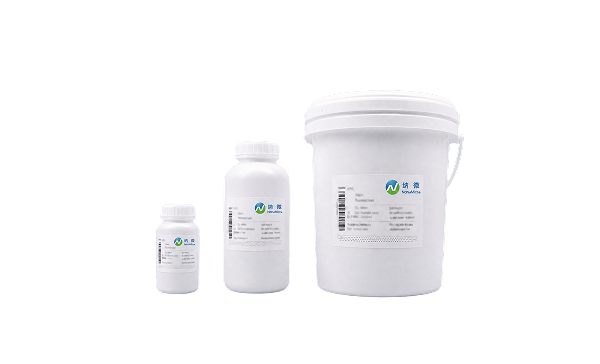 NanoGel-50Q HC Ion Exchange Chromatography Resin
NanoGel-50Q HC is based on polystyrene/divinylbenzene (PS-DVB) microspheres with excellent mechanical strength, good chemical stability, uniform particle size, and an open supermacroporous structure. Surface hydrophilic modification reduces non-specific adsorption, and unique surface functionalization technology delivers high binding capacity, high
Ion-exchange Resins -
 NMab ProtL Protein L Affinity Chromatography Resin
NMab ProtL is an affinity resin prepared by immobilizing recombinant Protein L ligand onto an agarose matrix via epoxy activation. Protein L exhibits strong affinity for the variable region of antibody kappa light chains and is also suitable for capturing a broad range of antibody fragments, such as Fabs, single-chain variable fragments (scFv), and
Affinity Resins -
 UniGel-65SP HC Ion Exchange Chromatography ResinIon-exchange Resins
 -
 UniHR Butyl-30L HIC ResinHydrophobic Interaction Resins
 -
 UniHR Phenyl-30L HIC ResinHydrophobic Interaction Resins
 -
 UniGel-30CM Ion Exchange Chromatography ResinIon-exchange Resins